What is the difference, if there is any, between a knot tyer and a knot user ?
Trying to satisfy both sides of the equation  , I came uo with the folowin definition :
The knot tyer is happy when he can tie as many, different, unknown knots as possible - while the knot user is happy to tie the same, few, memorized knots over and over again - and, on top of that, he is more happy if everybody else does the same, so he advertizes the few, same, memorized knots over and over again. The knot tyer is a humble victim of the vast size of the KnotLand, while the knot user is just another proud fashion victim.
In this thread I would attempt to offer something to both of them :
To the knot tyer, so he ties many knots he probably would have not tied before, and he tries to think of yet other variations of those knots, or even extensions of the very “class of knots” those knots belong to.
To the knot user, so he can continue what he has been doing all the time : ignore any “new” knot presented in this Forum, and hope that, at the end, ( self-) defence will make him keep parooting, and SURVIVE !
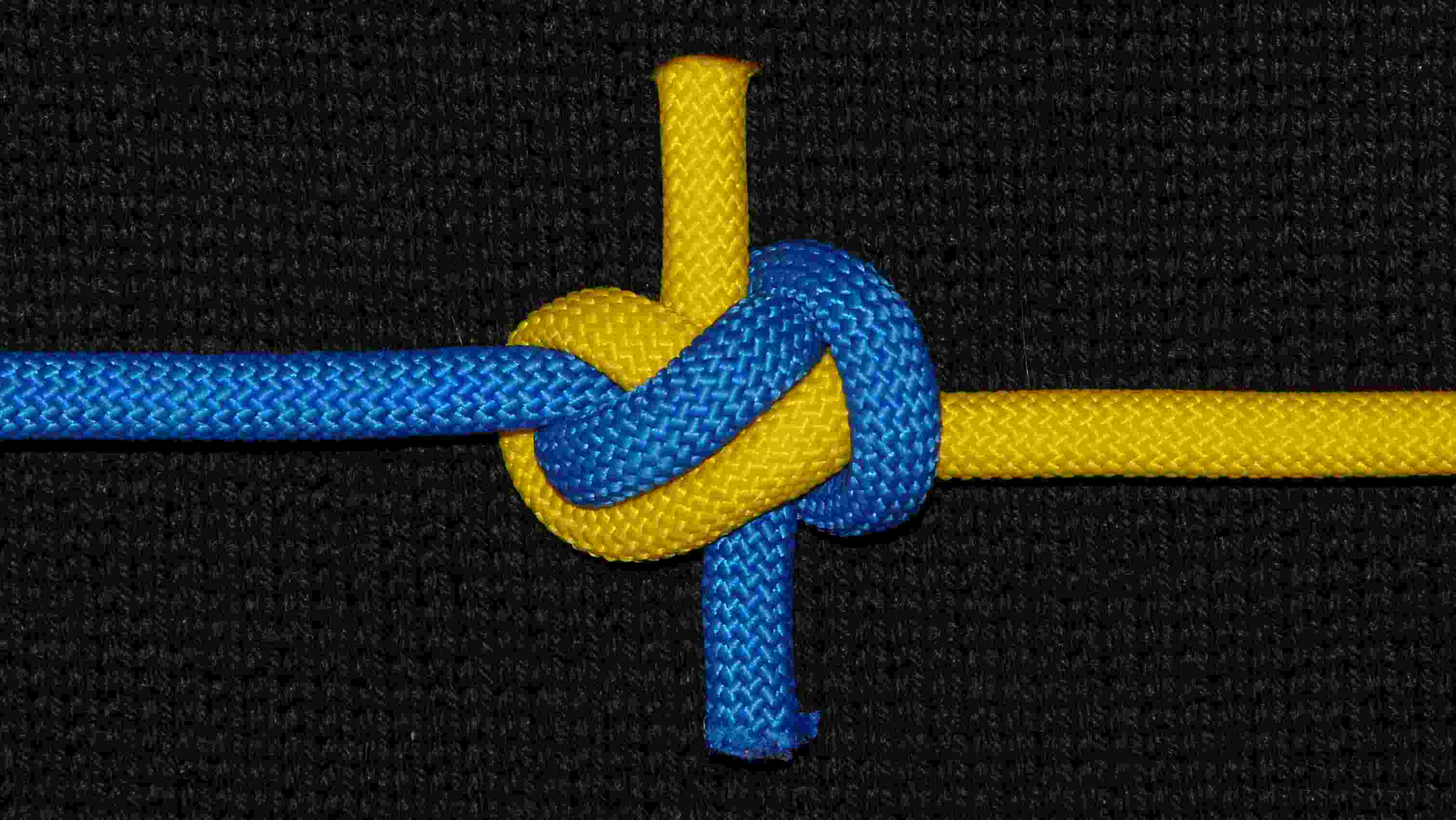
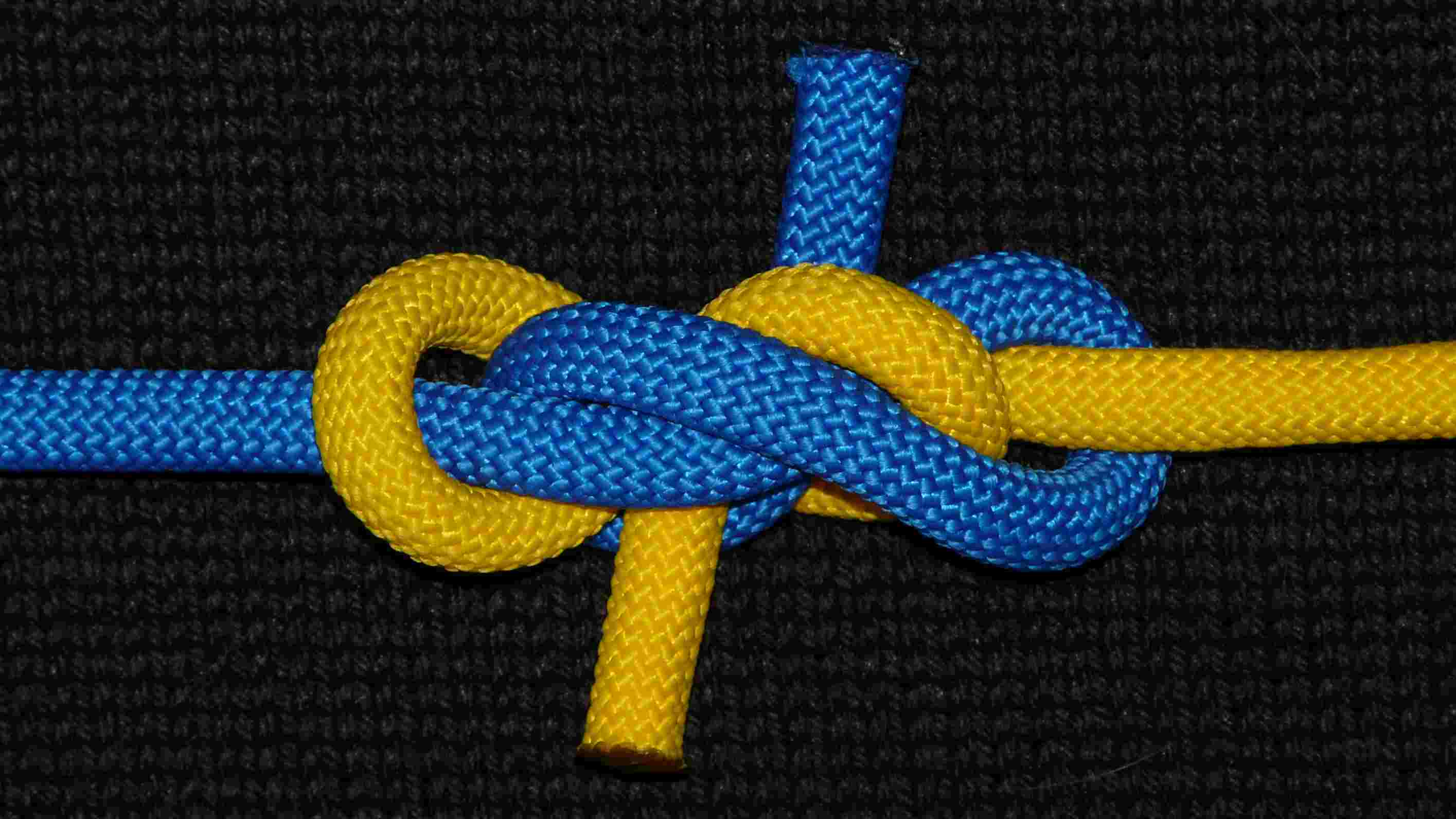
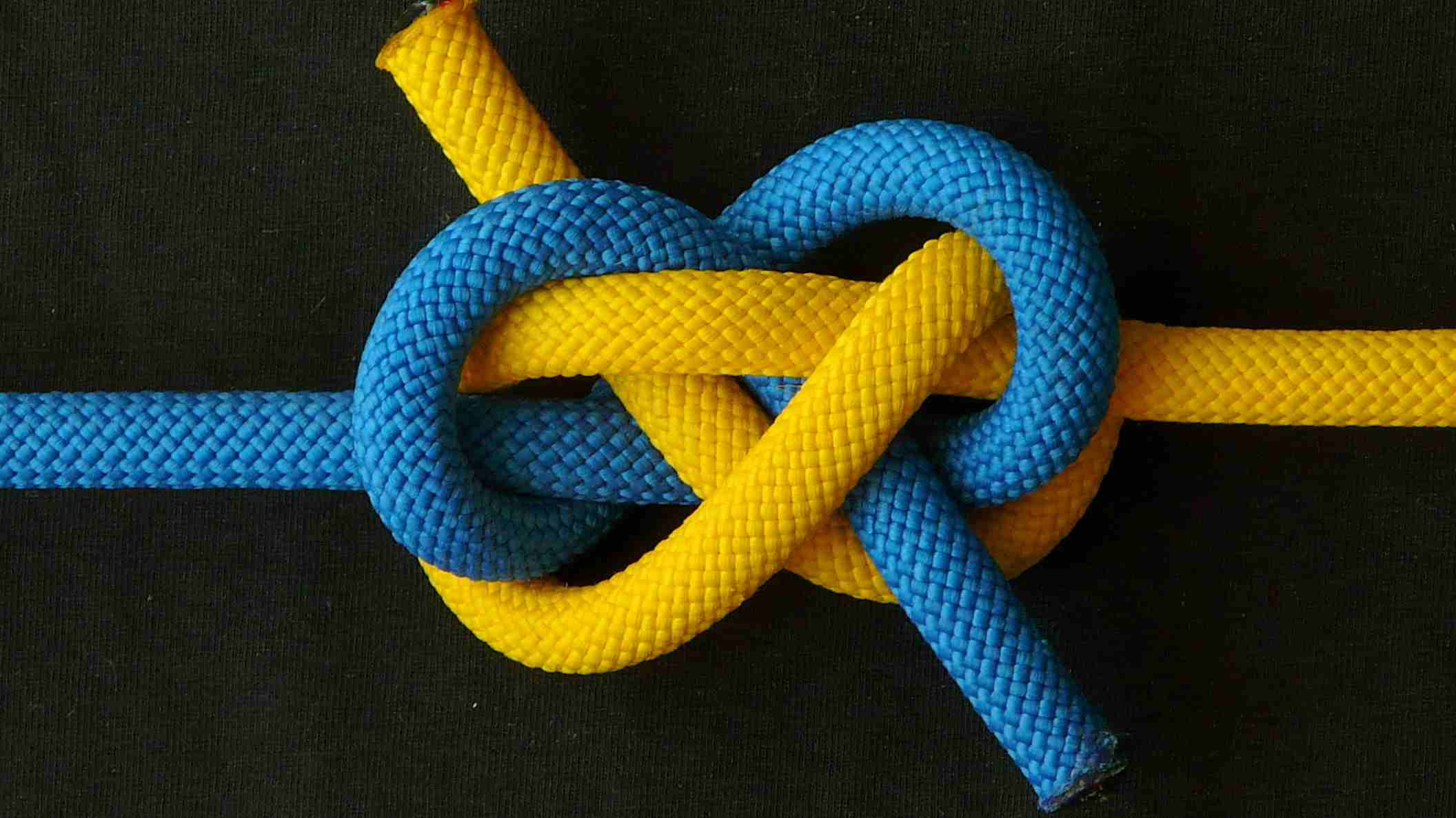
Even by a quick look at those knots, one can easily see their common characteristics . I do not see any reason for any [i]definition[/i] here !  :)
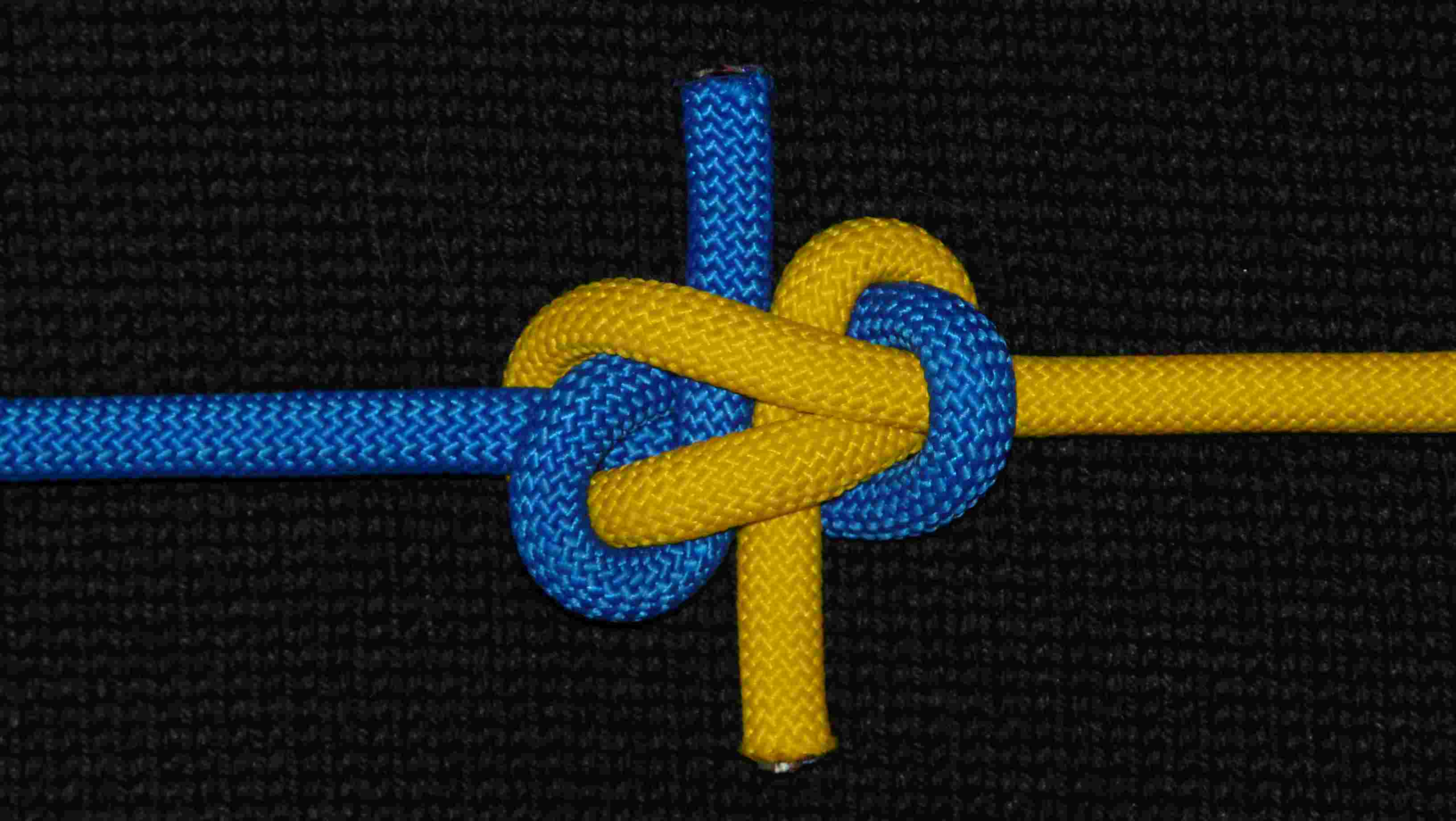
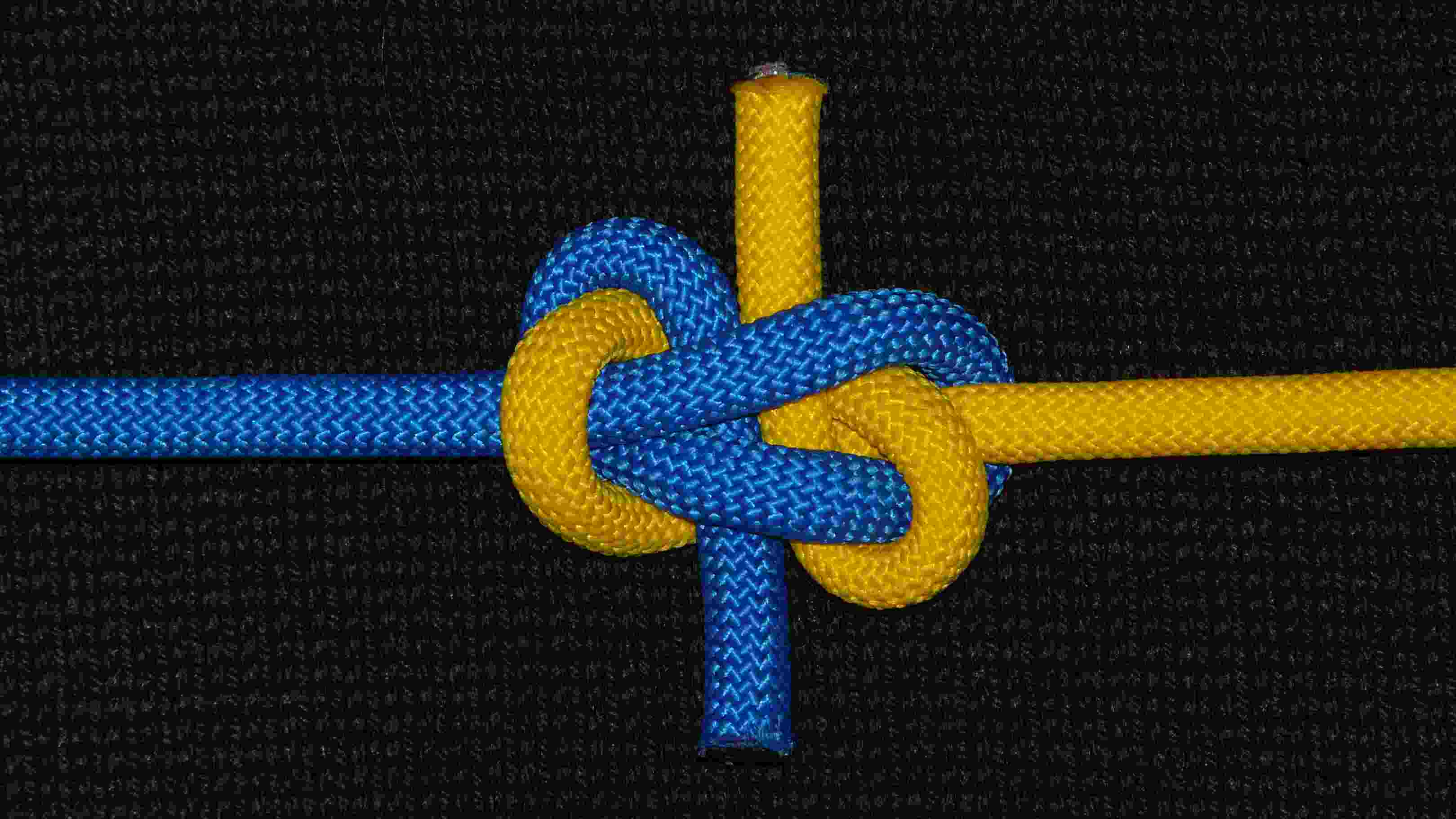
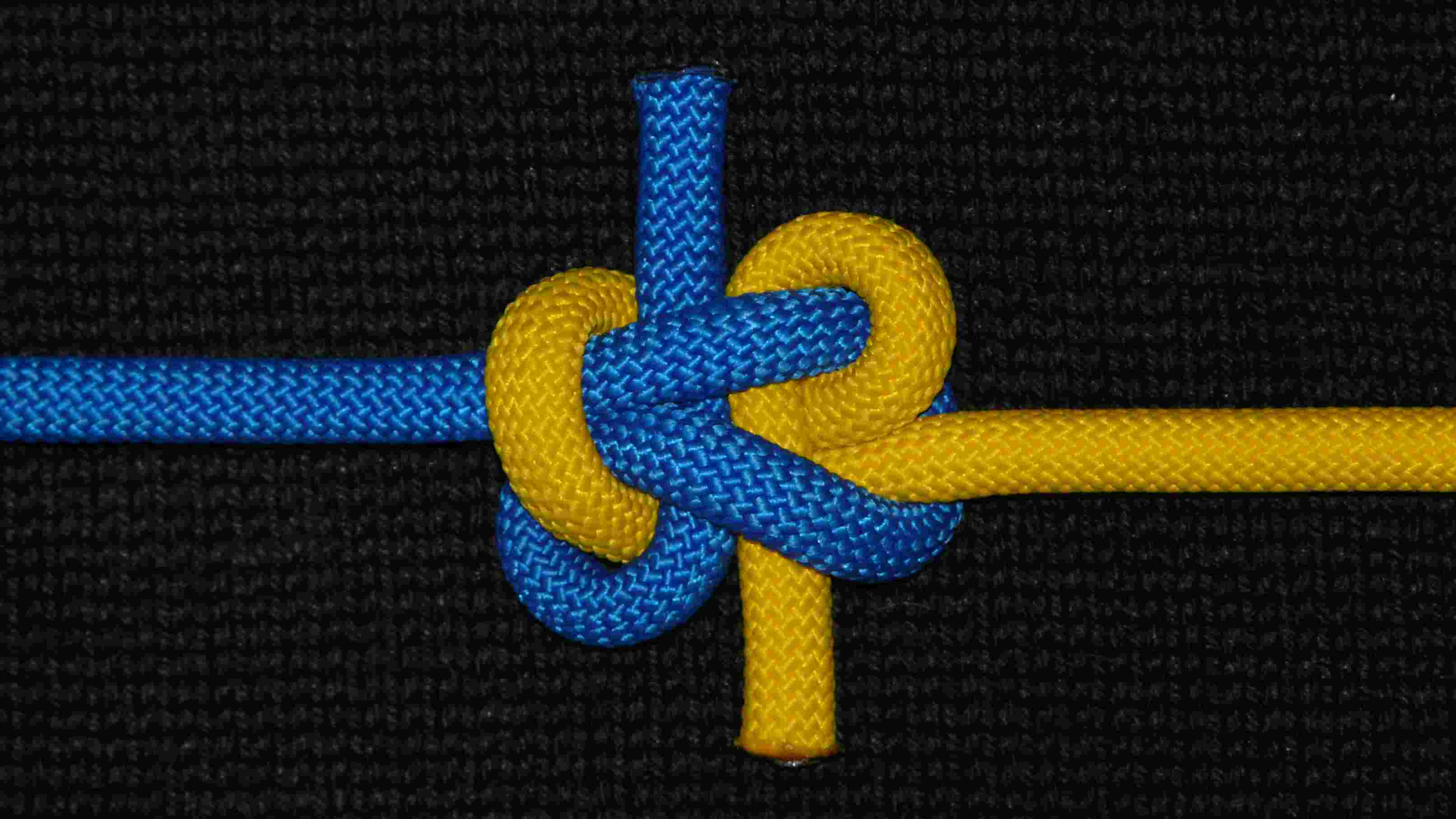
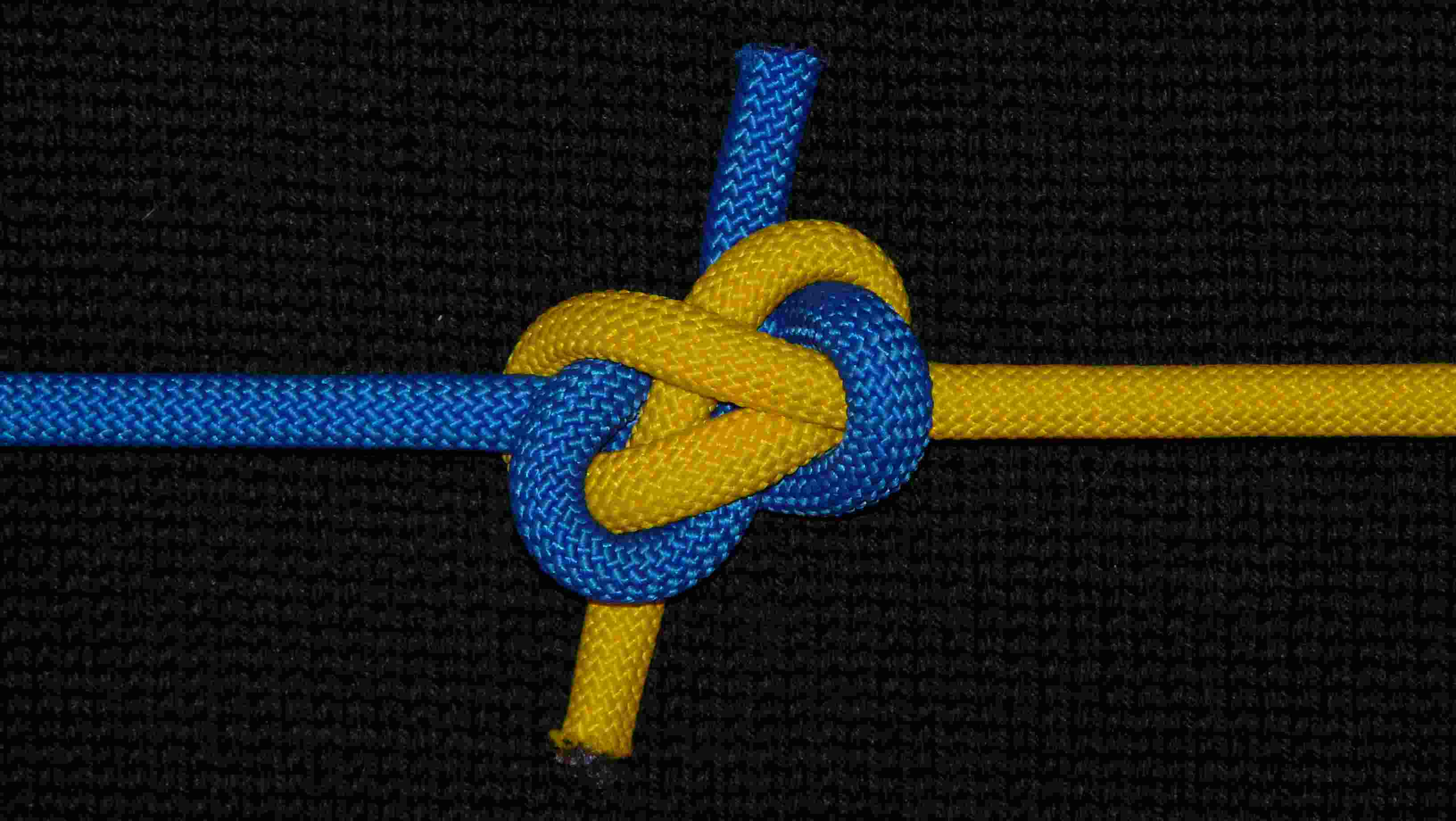
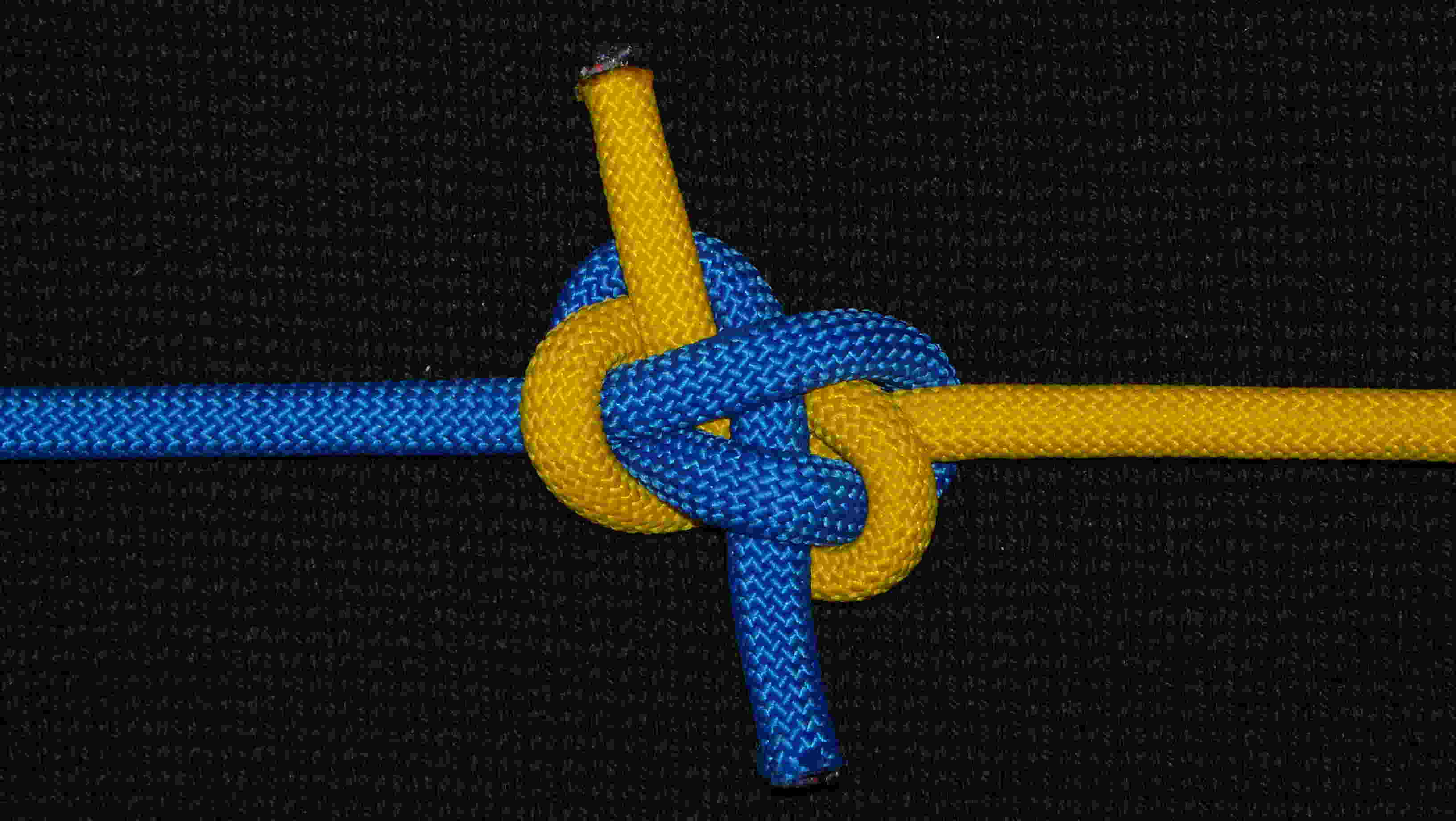
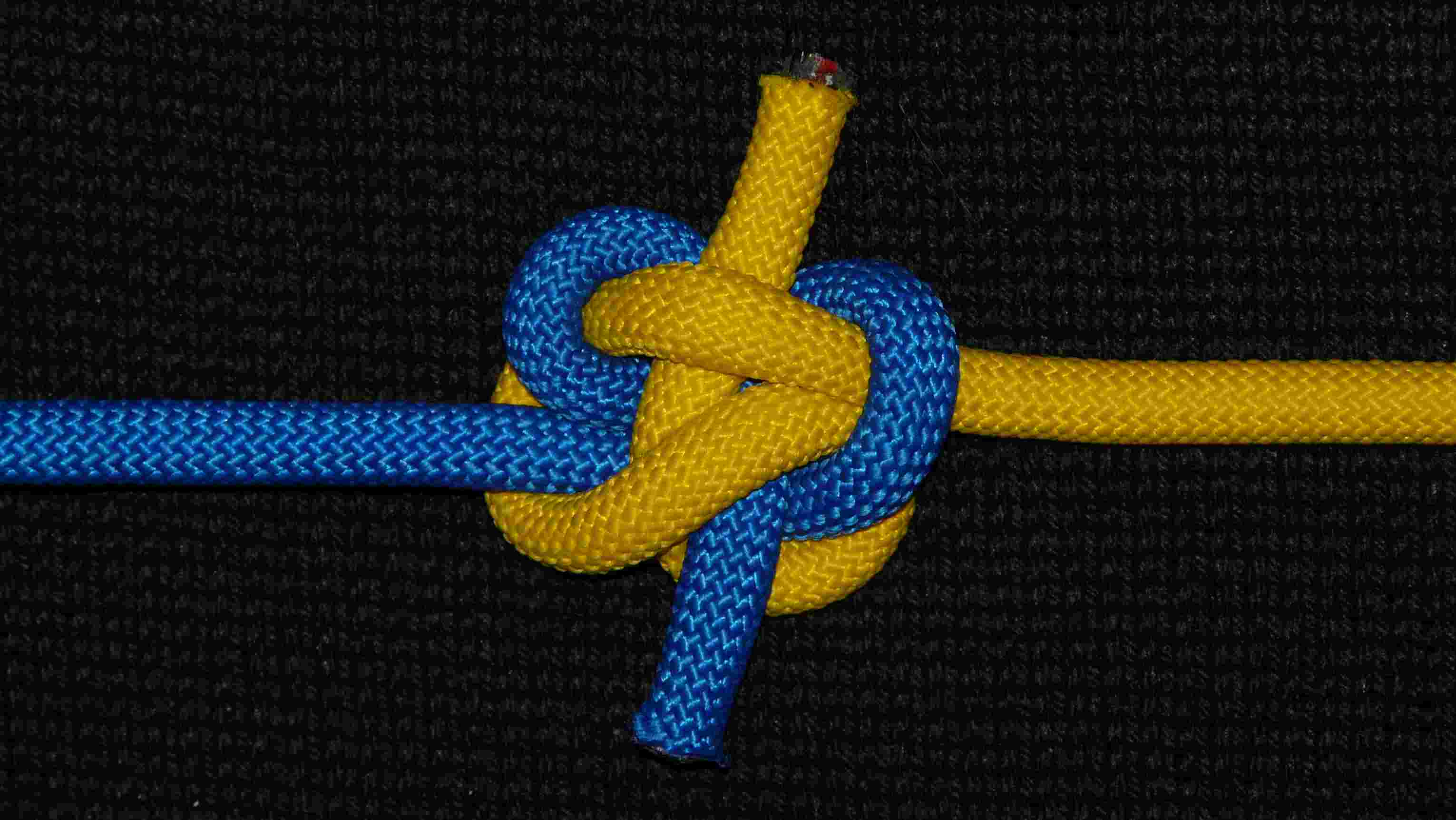
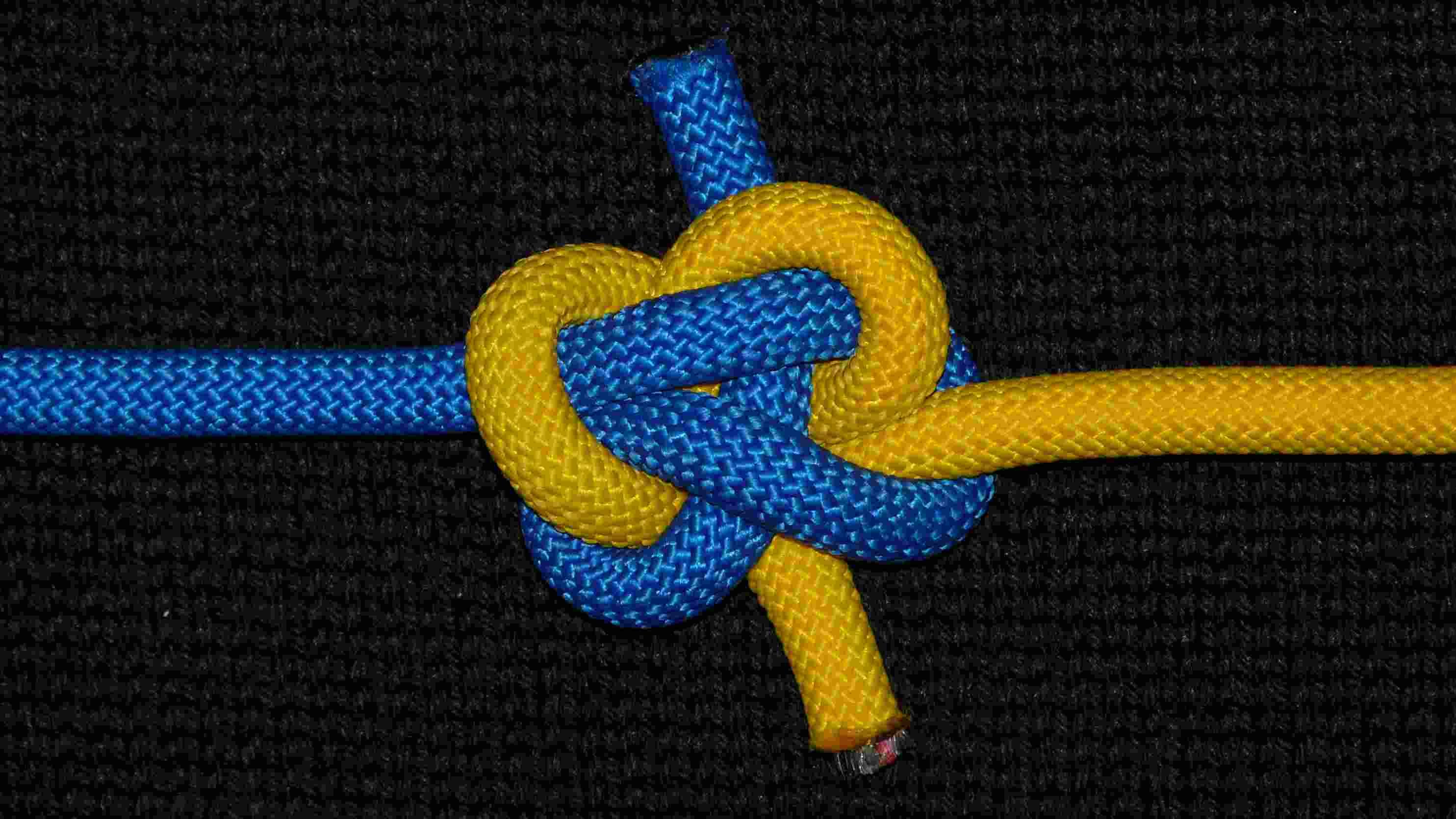
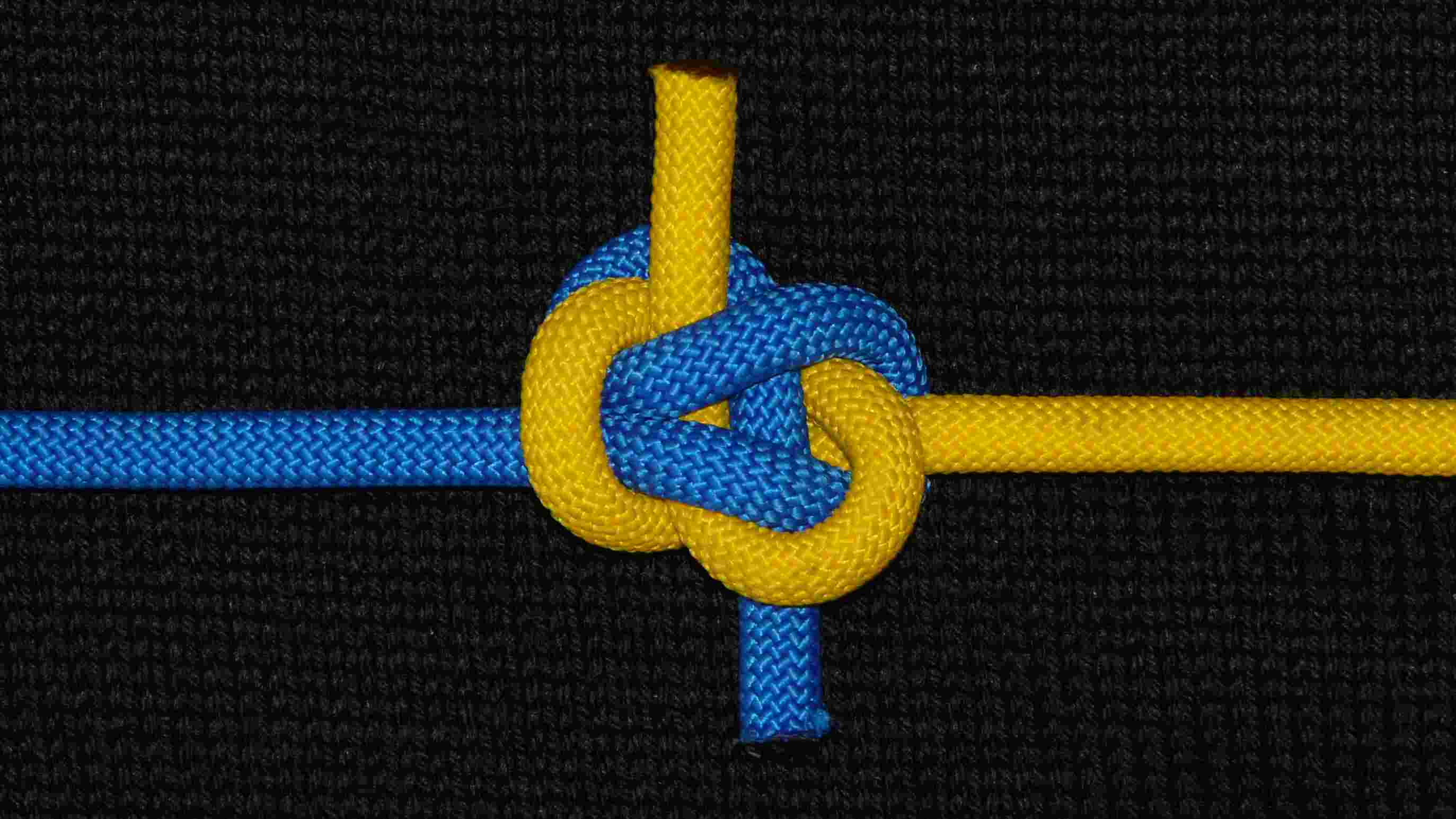
Just to explain my labelling convention a little bit : [b]o[/b] denotes [b]"over"[/b] itself, where "it" is the segment of the link with the Standing end at the right side of the picture, the yellow segment - or [b]"over"[/b] the corresponding segment of the other, the blue link, when it comes to the relative position of its tail . [b]l[/b] denotes that the working end of the one link ( the yellow link ) makes a [b]left [/b]turn, and [b]r[/b] that it make a [b]right[/b] turn ( the first, Standing part s turn / curve is not described ). [b]X[/b] = crossed denotes crossed tails - so, Xo and Xu denotes that the crossed tail of the one link ( the yellow one) goes "over" or "under" the tail of the other link ( the blue one), when it crosses it.  [b]B[/b] = beyond, is related to the fact that two parallel and adjacent tails ( not crossed ) can be arranged in two symmetric ways : so, the [b]B[/b] denotes that the tail of the one (the yellow link s tail) is located [b]beyond[/b] the tail of the other ( the blue link s tail), in relation to its ( the yellow link s) Standing end.
That s all, folks ! Happy knotting !