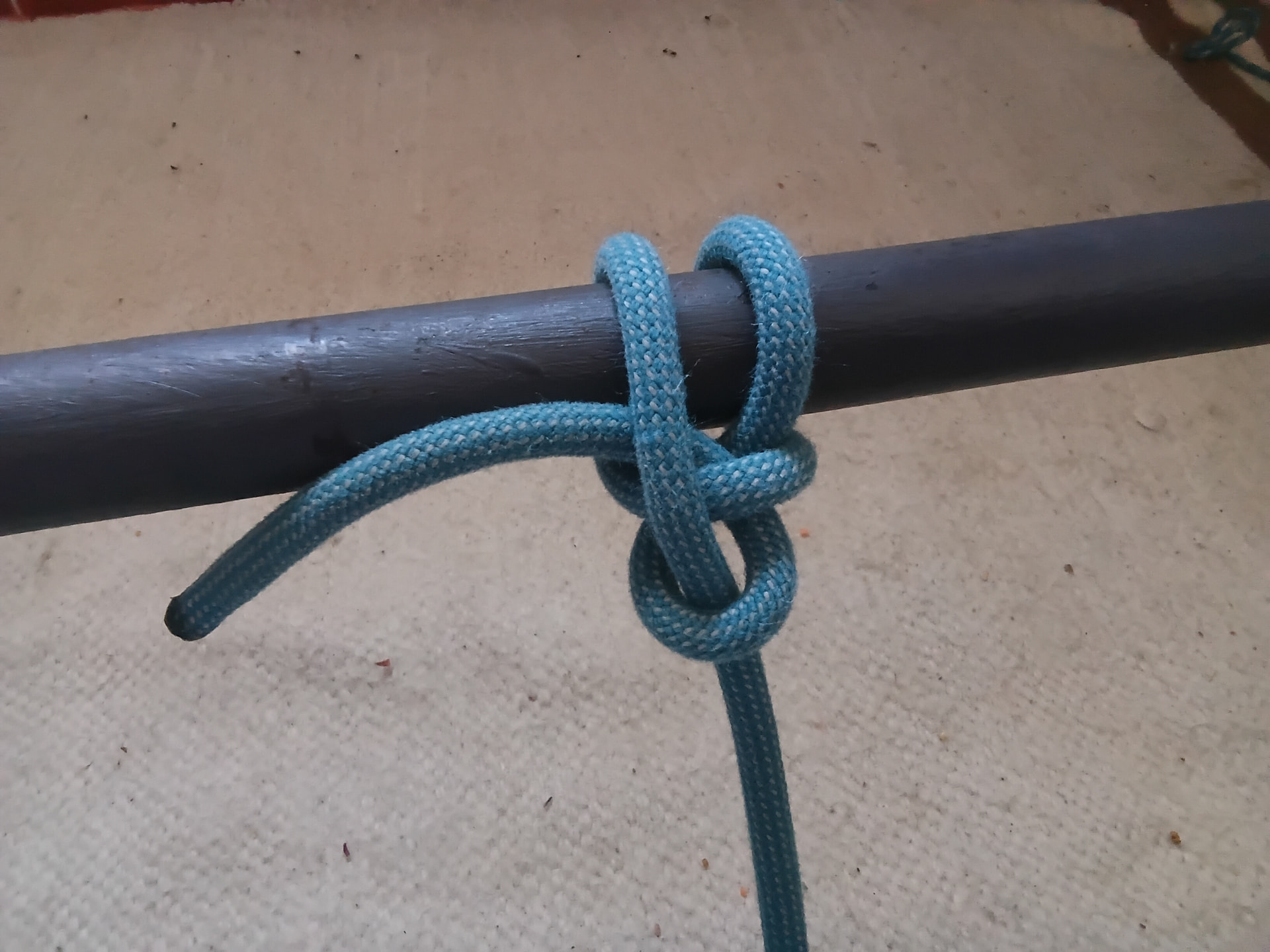
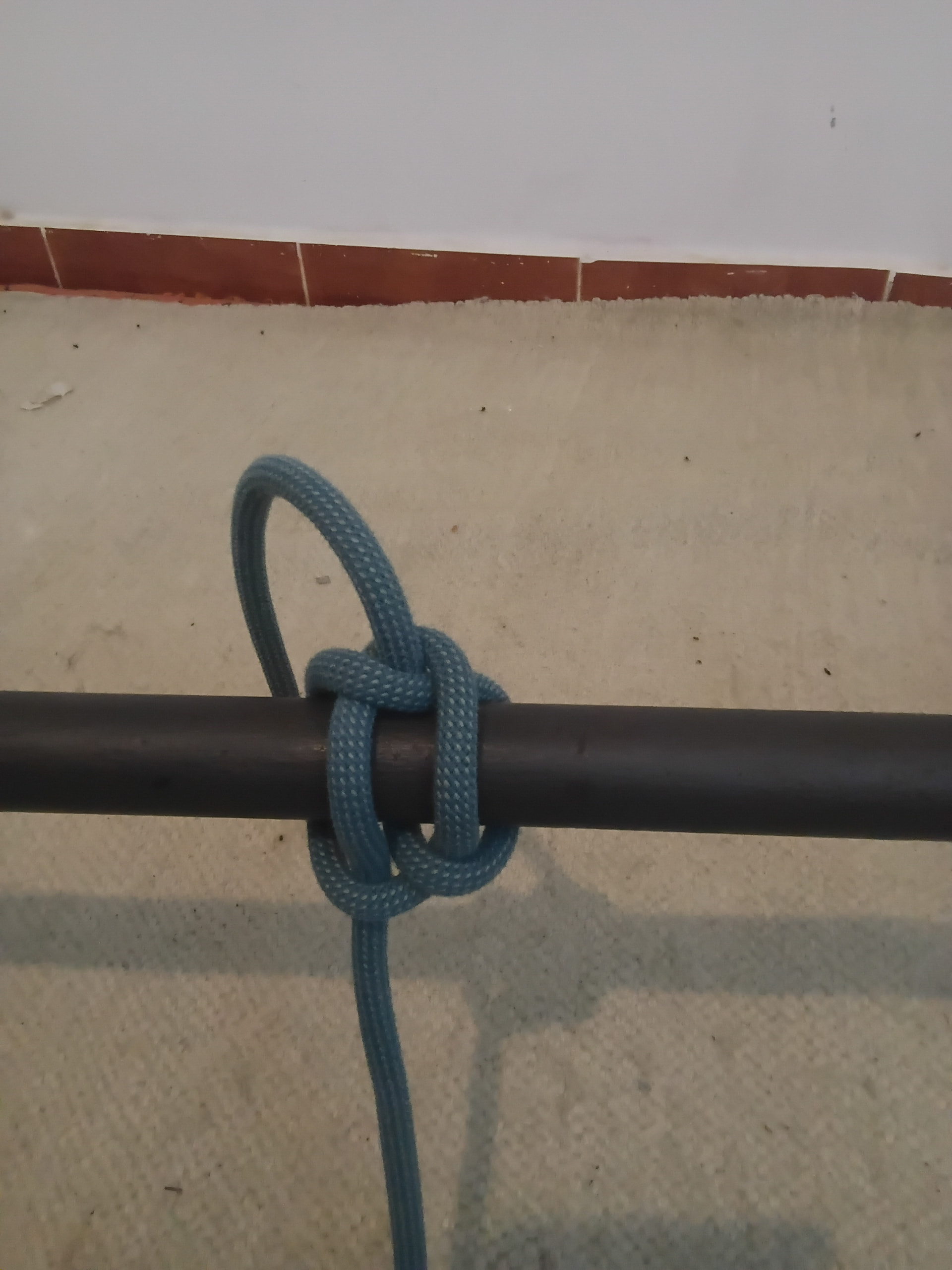
I have been thinking of “the bight around the object” as a first move to be a demand for a better hitch for a while.
Reaching around the object only once like here, instead of twice (or double) often makes a crucial difference when it comes to tieing and untieing around objects, while a second wrap is often desired for increased lengthwise pull resistance.
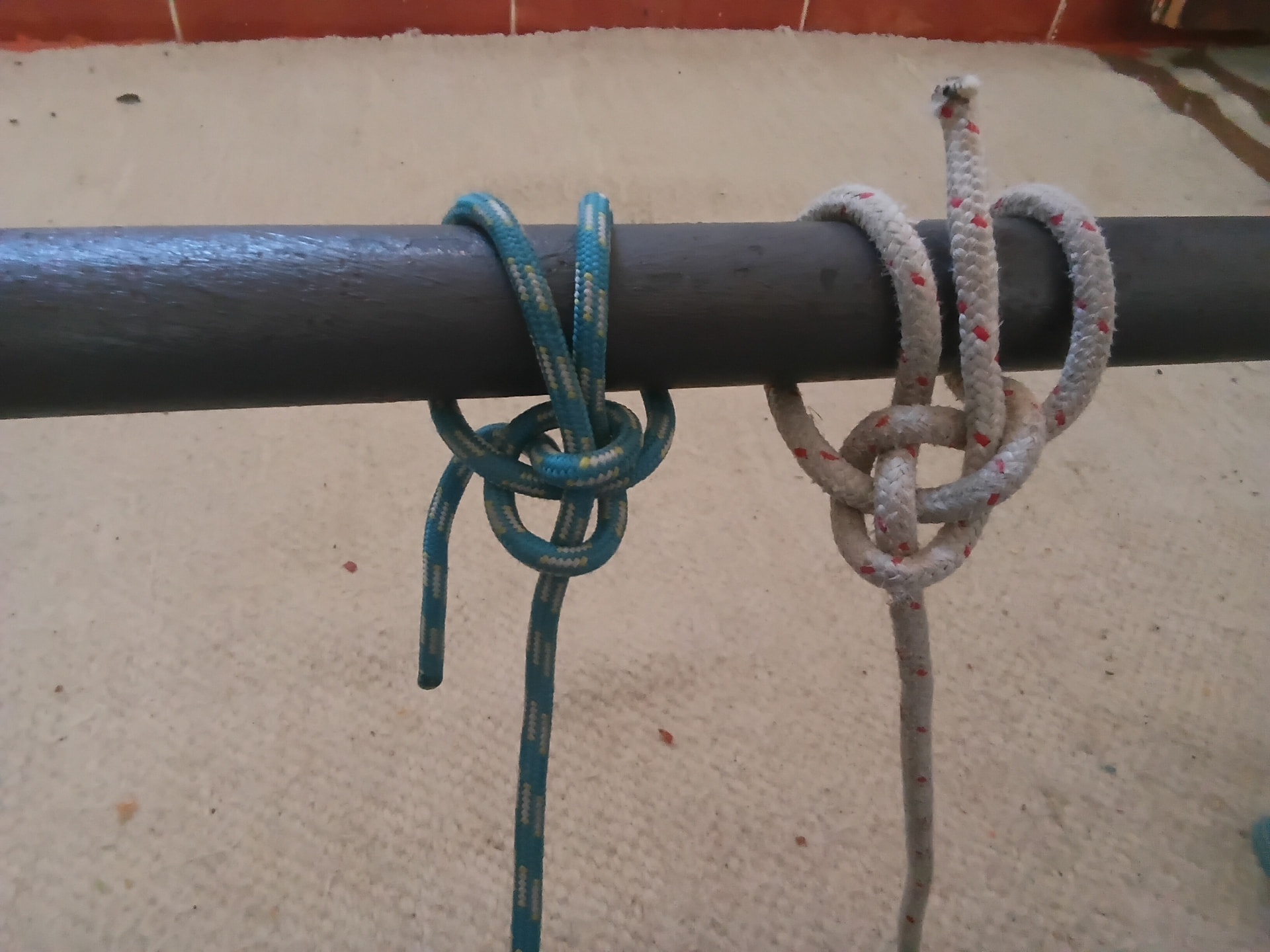
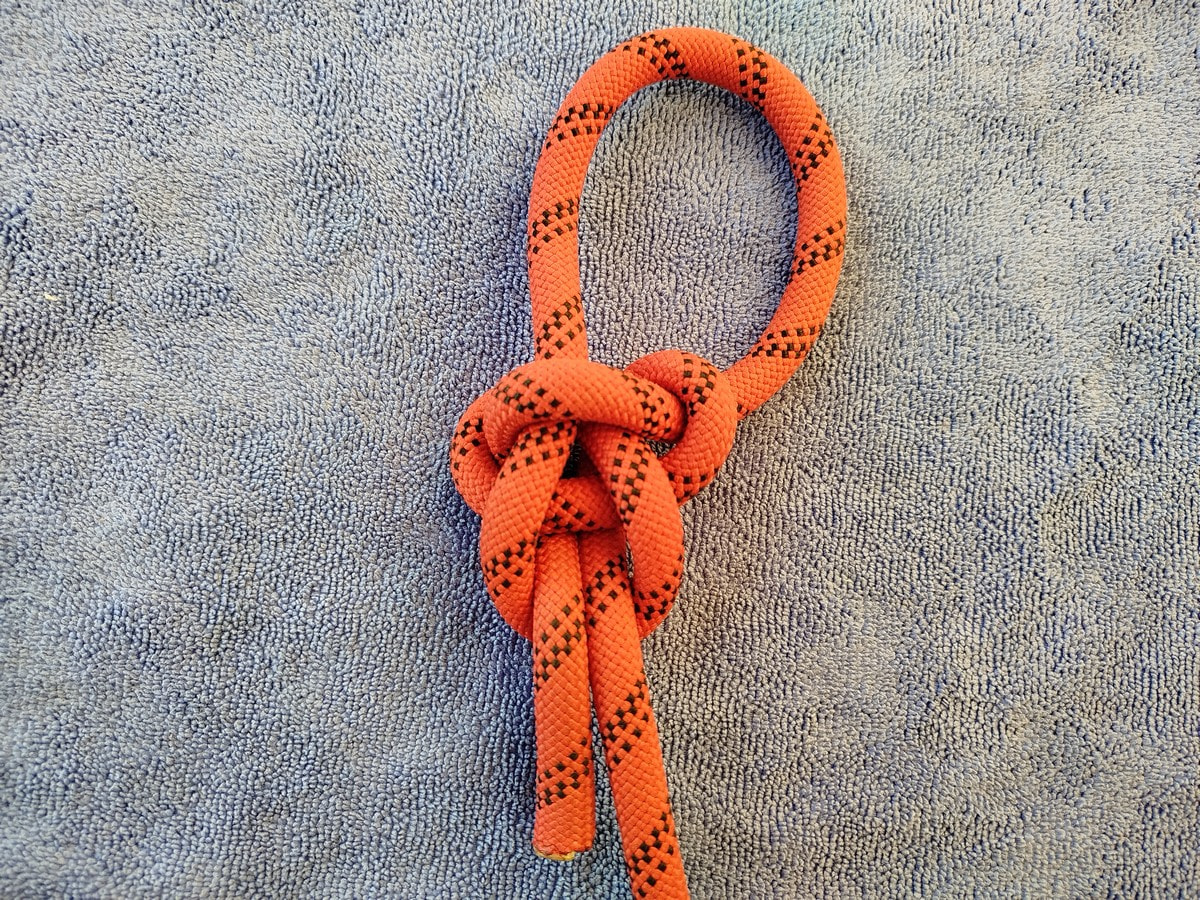
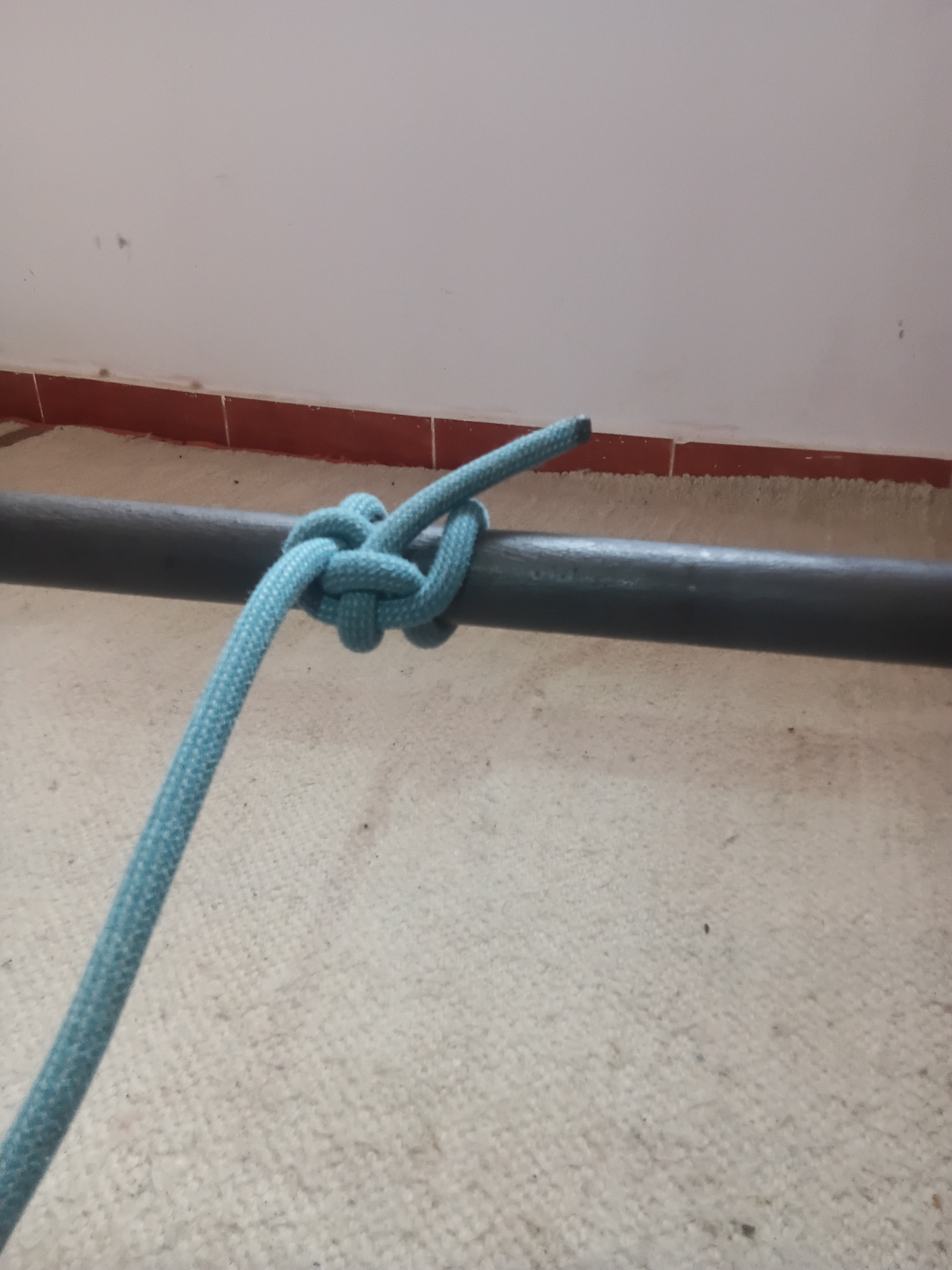
Hitch 1A(Pic 1)
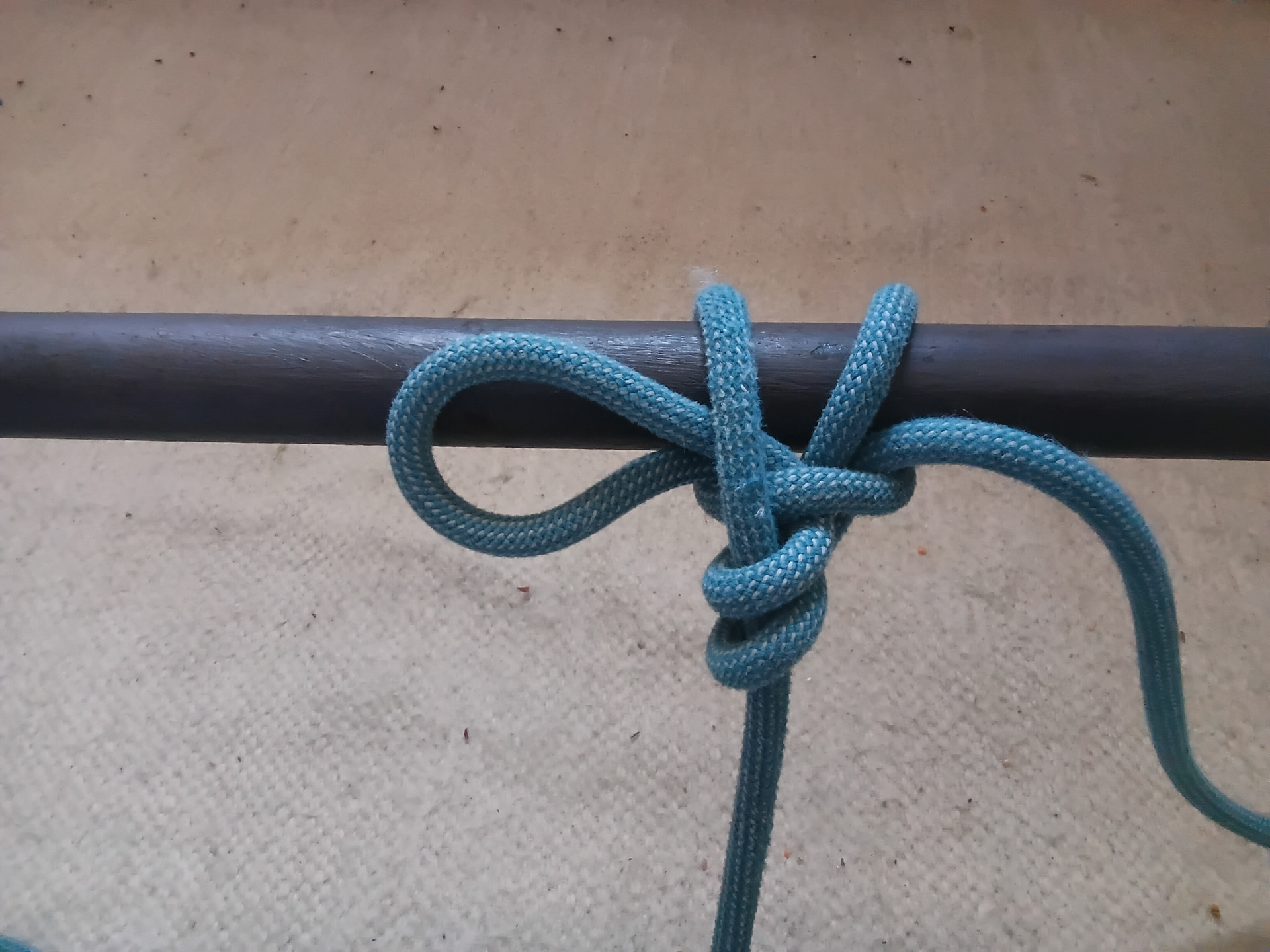
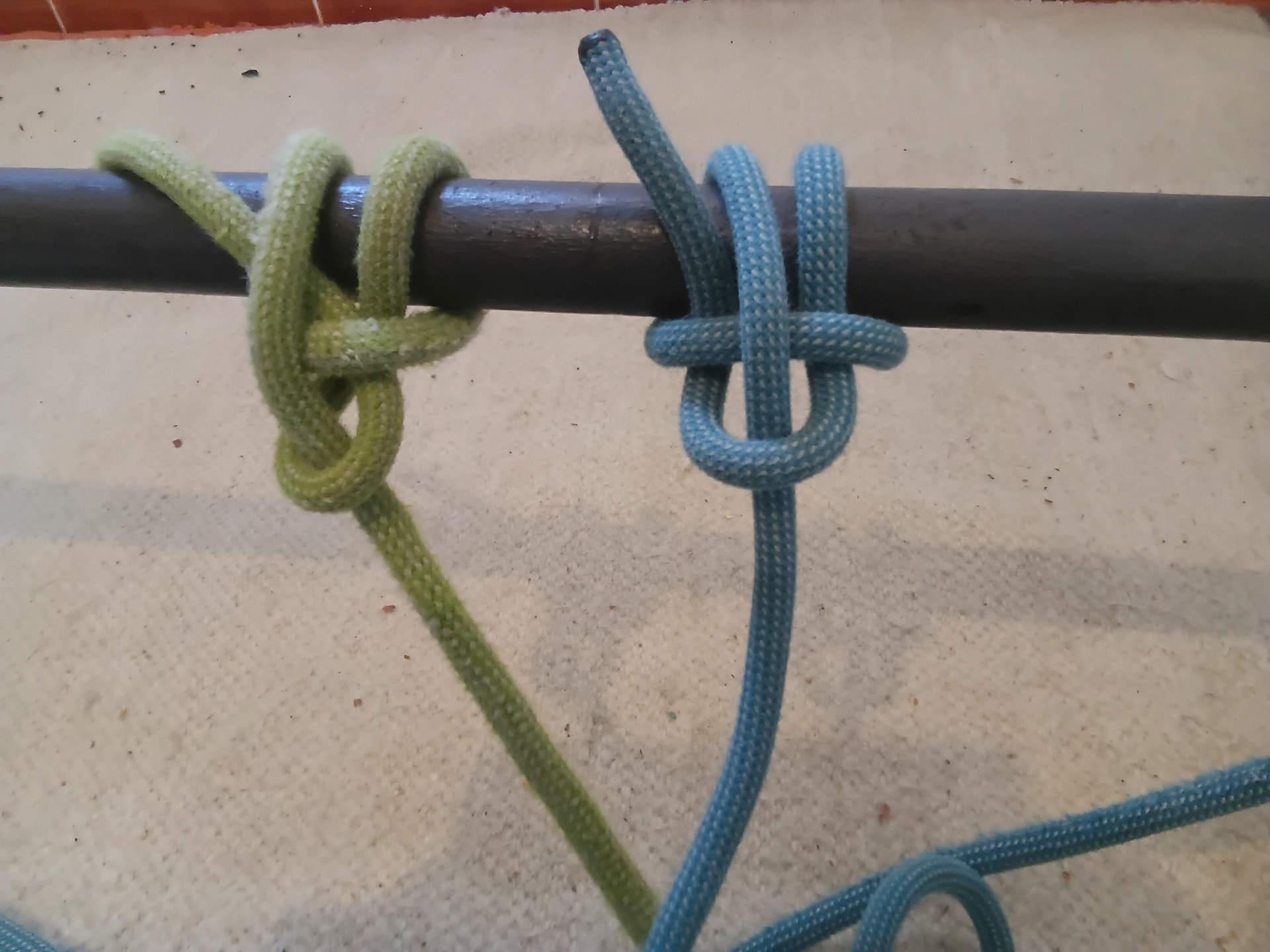
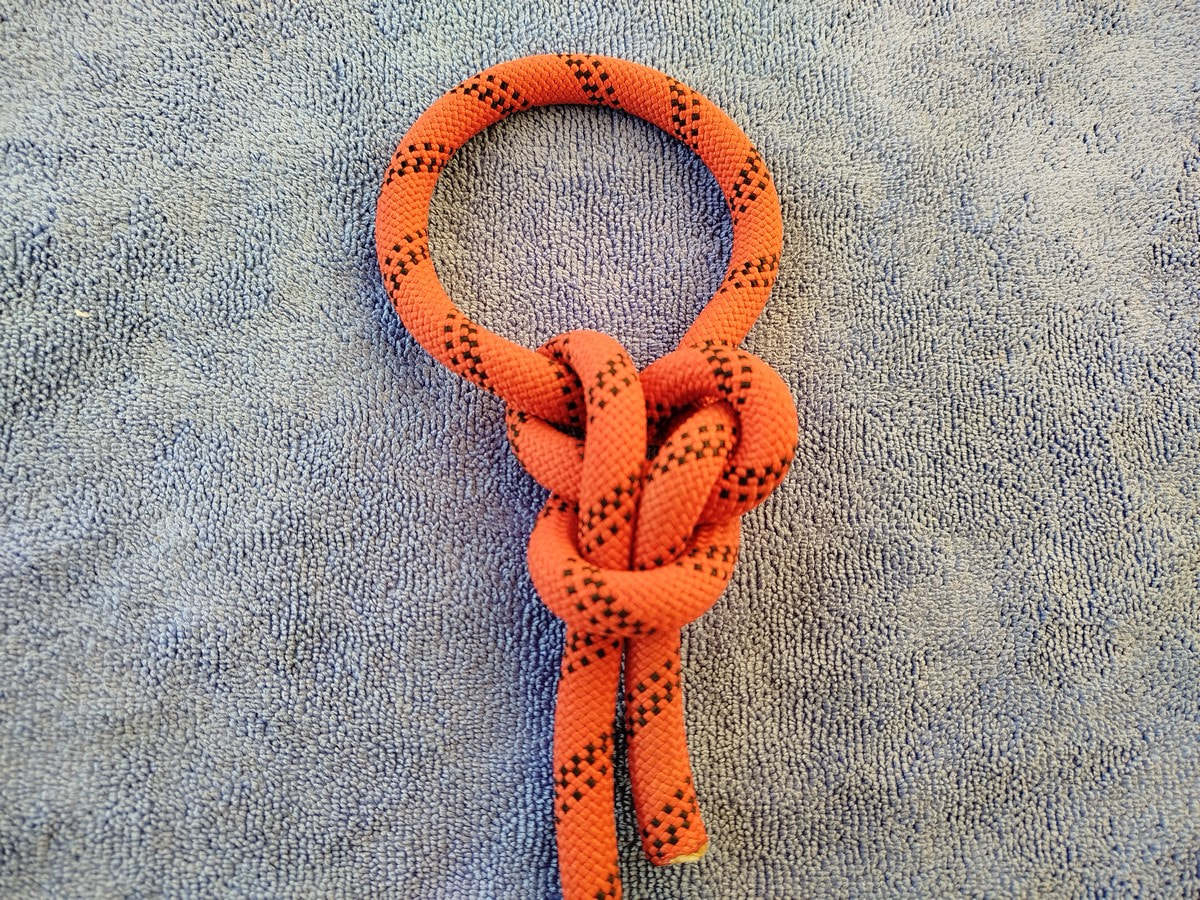
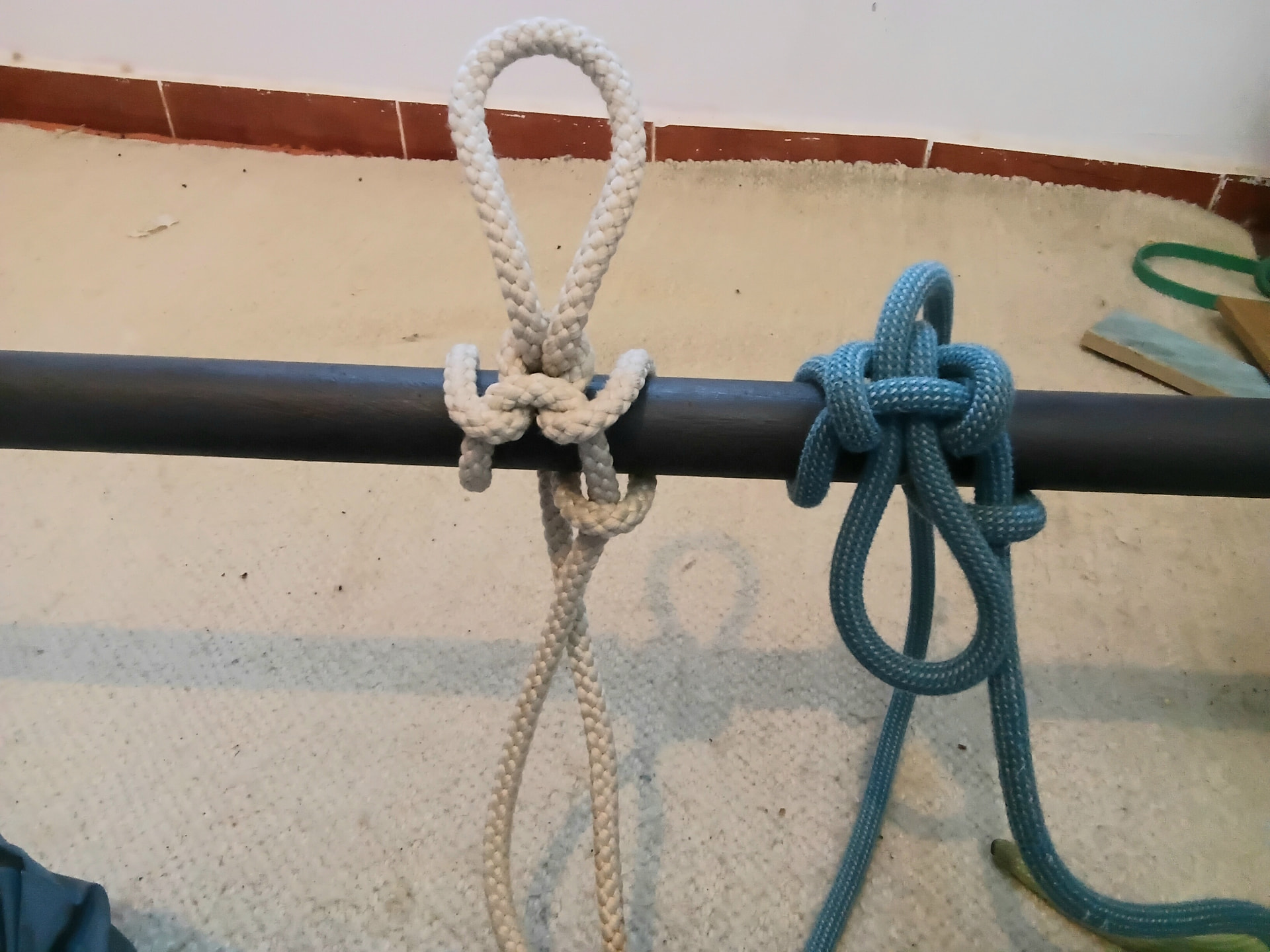
The slipped version of this way to tie a hitch opens the possibility for a compact knot to be tied, without accessing the ends of neither the rope nor the bar and it opens and releases entirely with one pull. (Pic 2)
It seems secure independed of the object to clamp against, unlike the sailor hitch for example.
It can be compared to a few other hitches also.
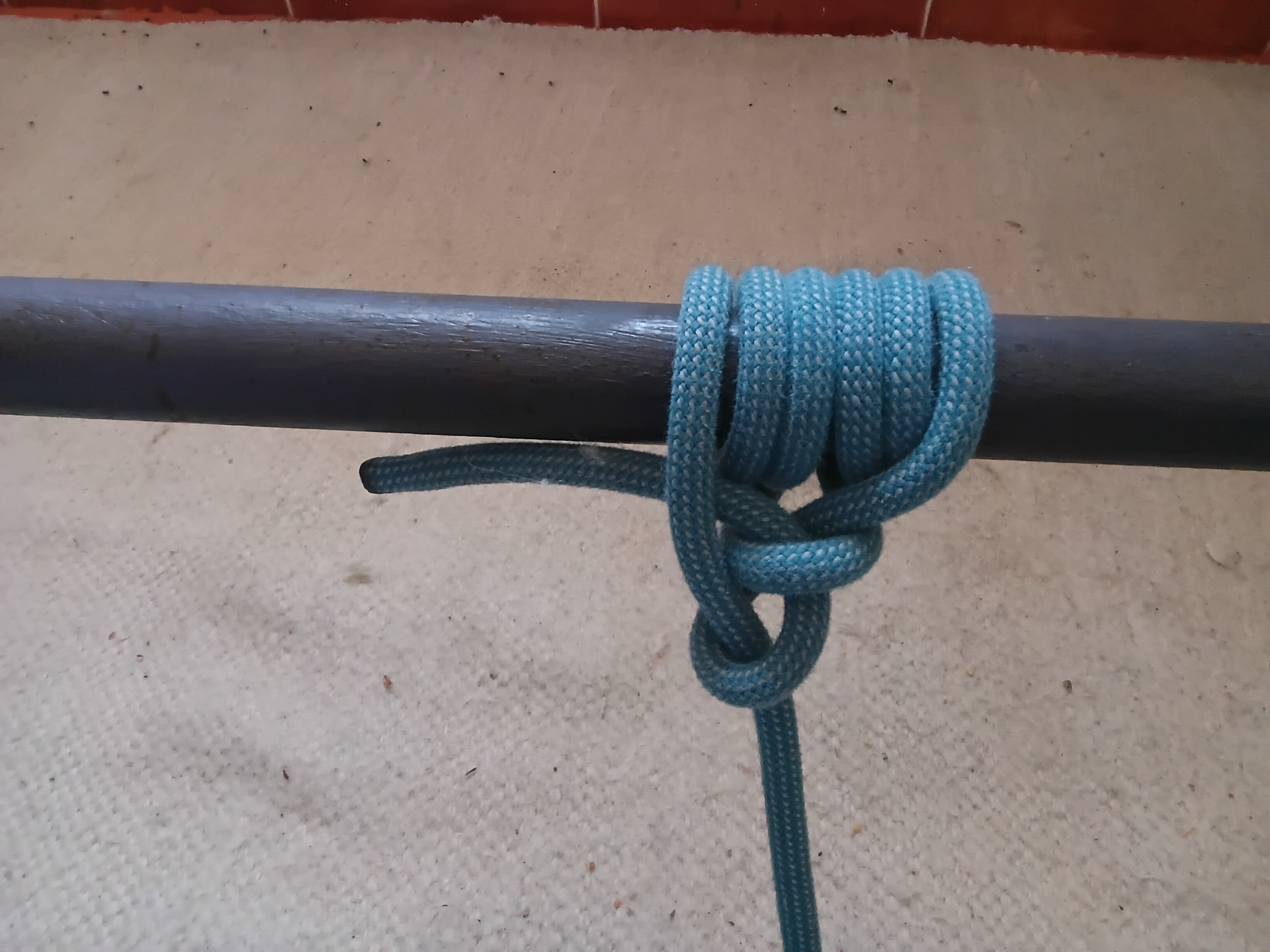
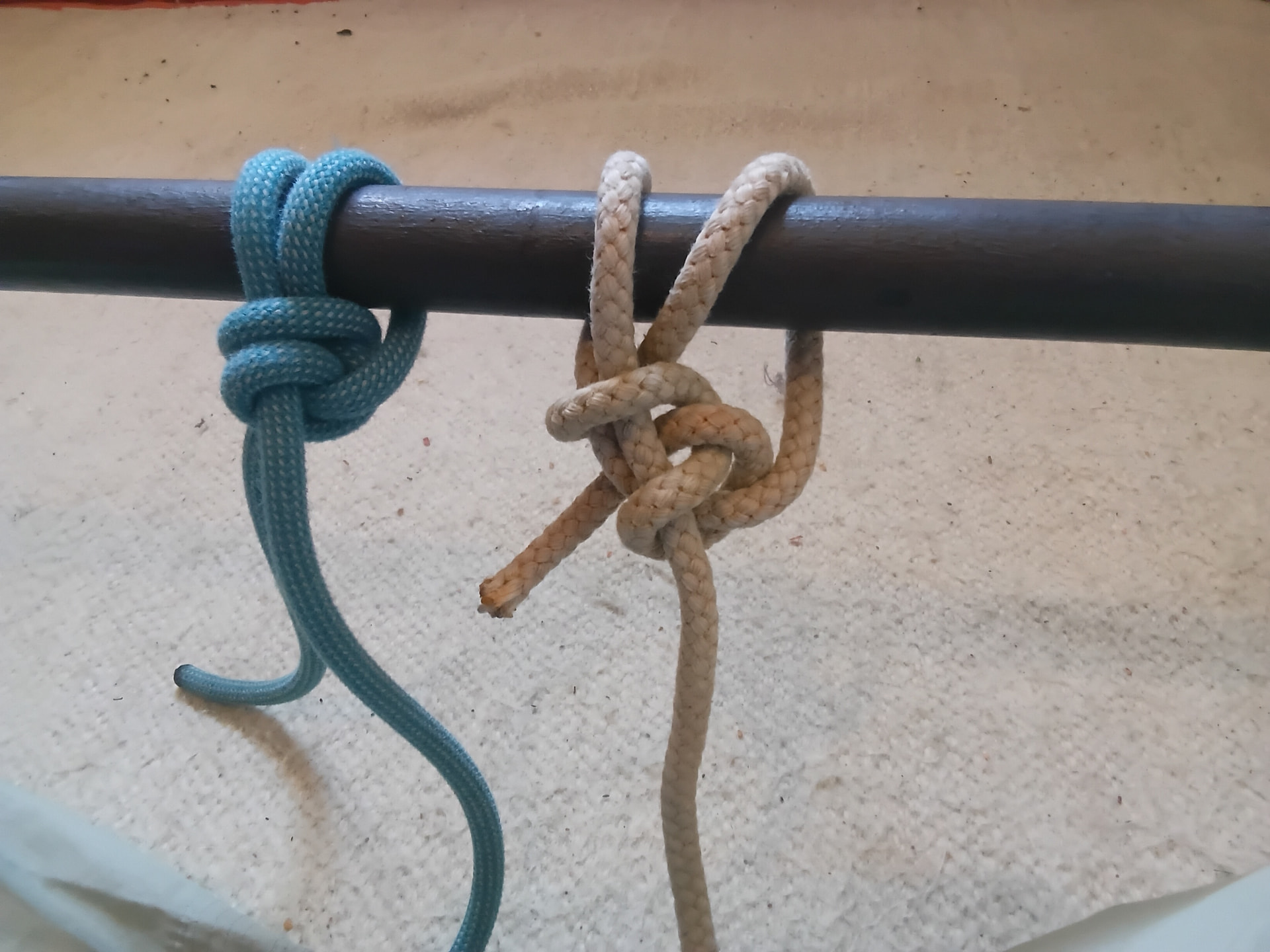
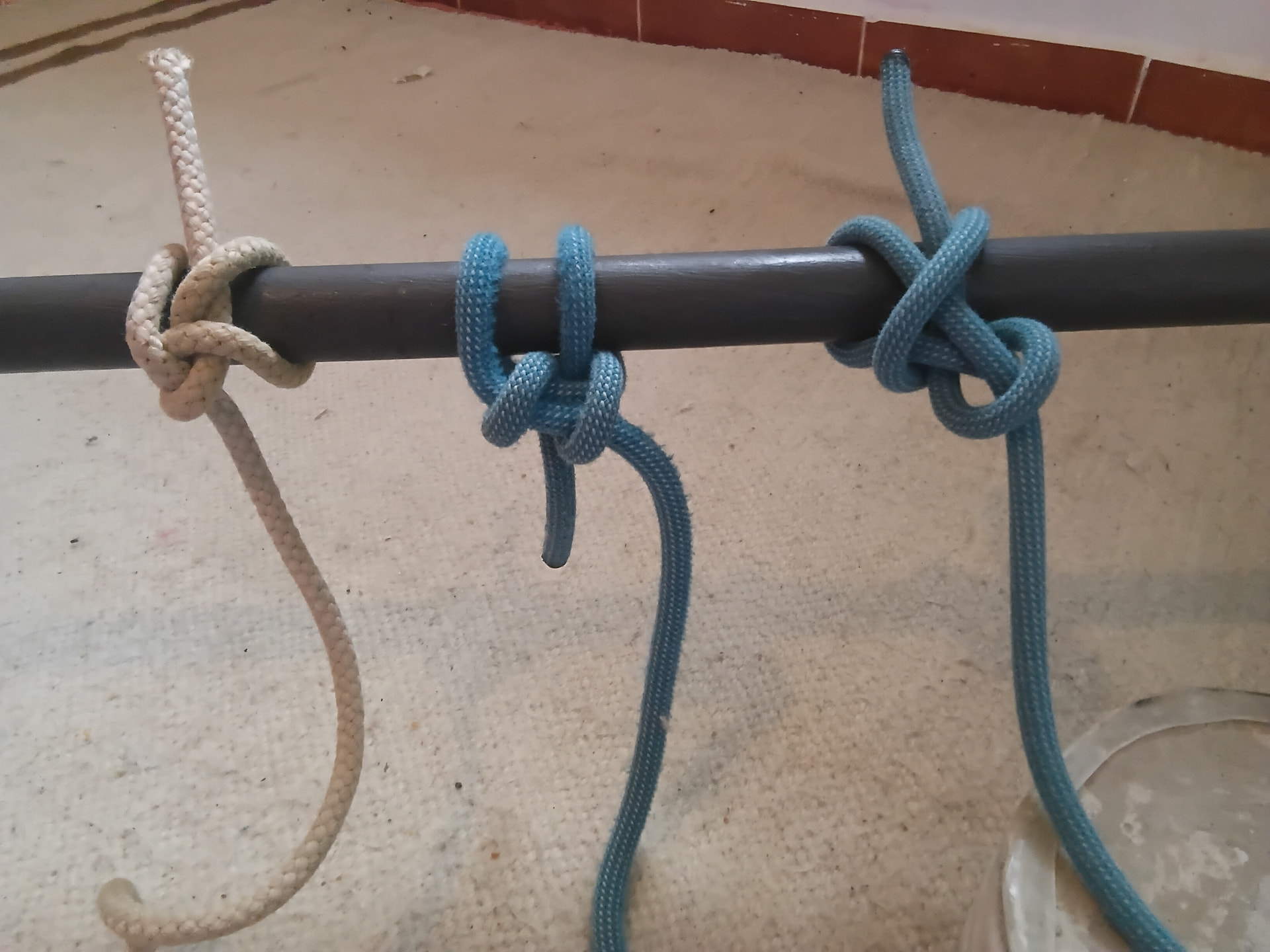
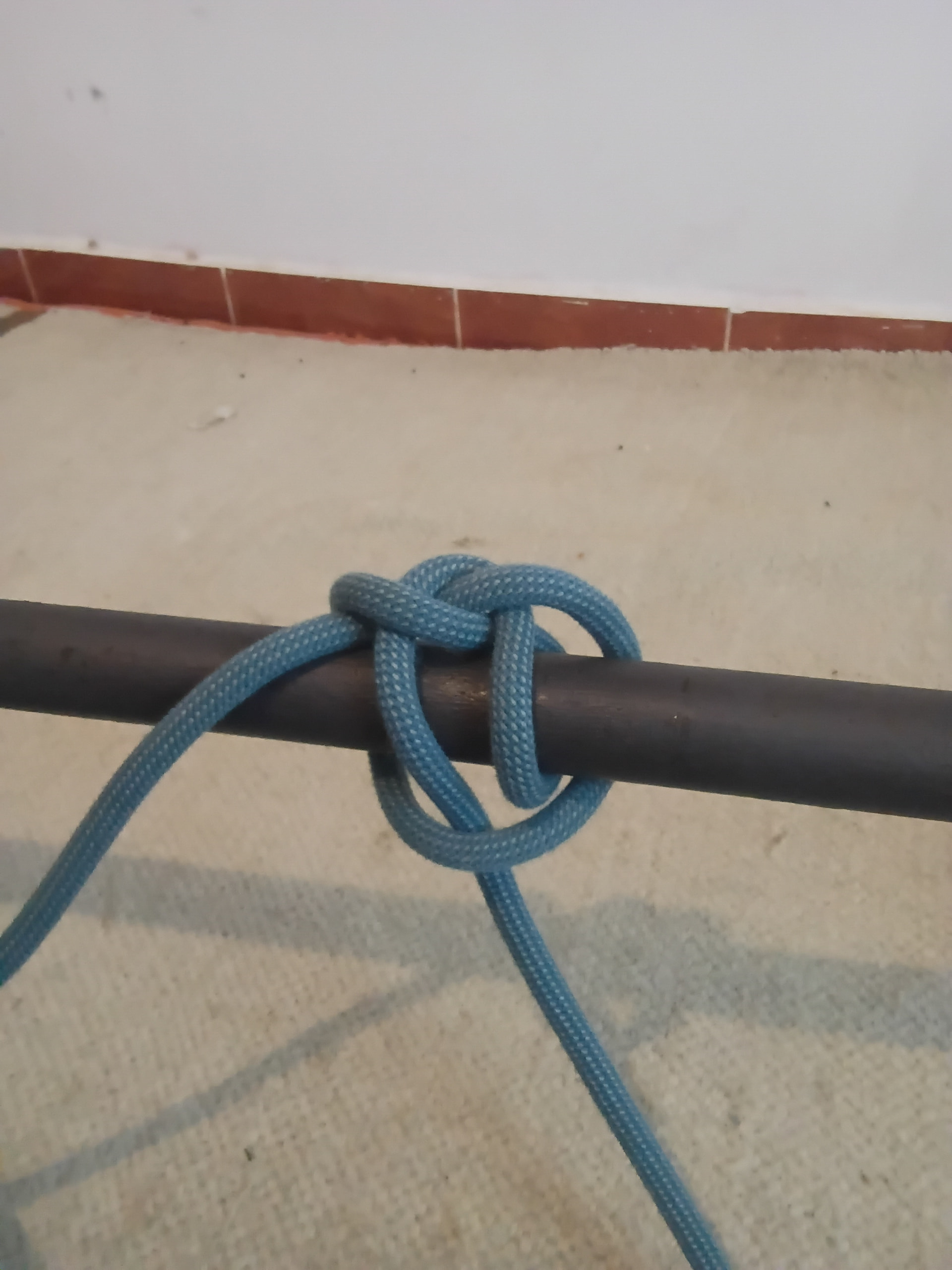
I’d be interested to hear comments. Especially for this tie used in a multiwrap solution for lengthwise pull hitch 1A(pic 3)
In all cases, your S.Part too directly/IMMEDIATELY
pulls upon its collar, which will lack sufficient security
to resist the pull, and so will open.
Your design goal of “bight (u-fold) around …” is worth
trying with then that U-fold apex teaming with some
clever reeving of the Tail to collar the S.Part.
Go For It !!
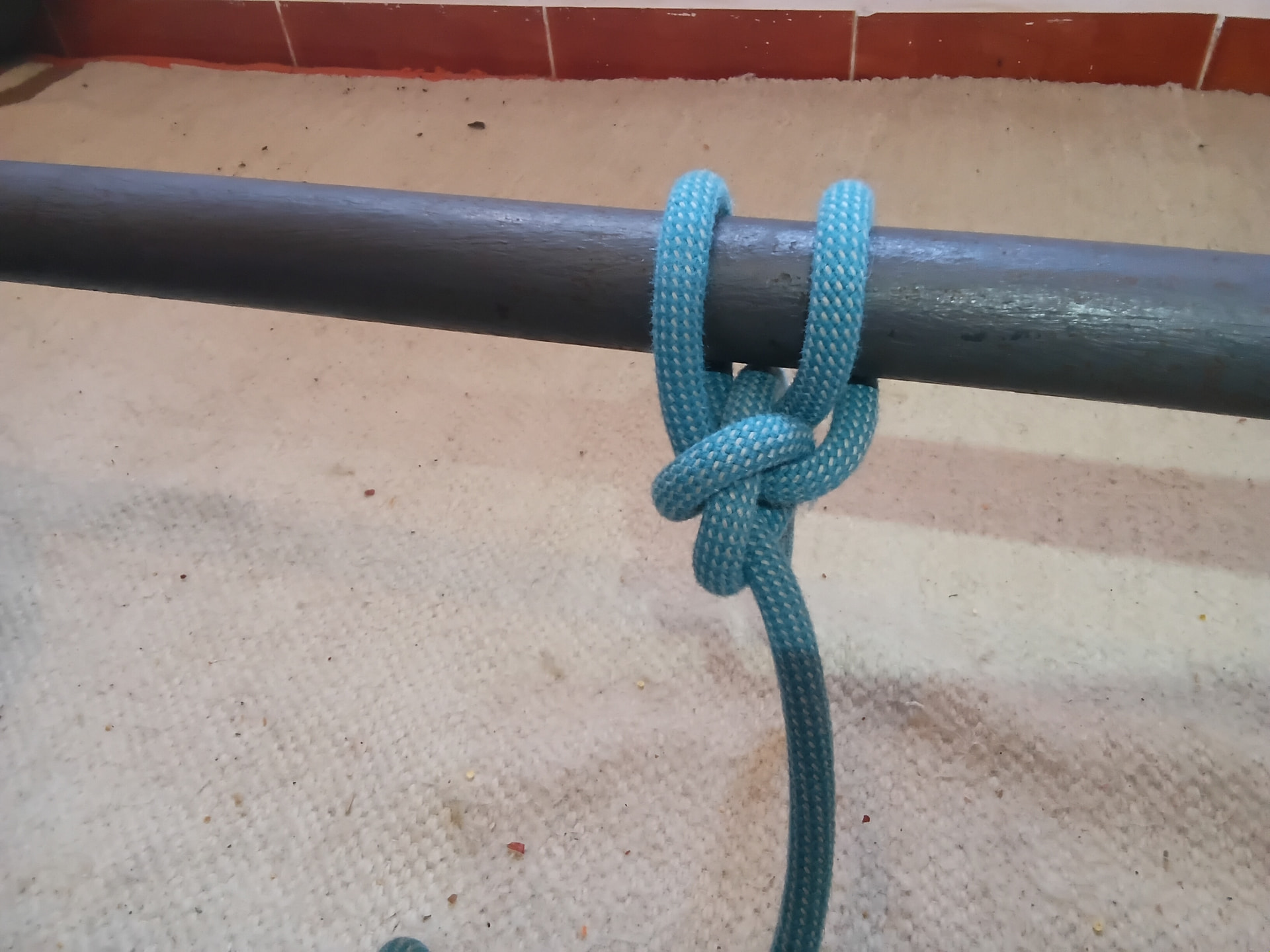
Hi, i’m not a hitch expert,but i have observed that the first part of your hitch (first image), before the final tail lock, is a transposed munter hitch.
Also if one removes the pole and pulls both ends he will end up with a figure 9, closed form structure, which means that the hitch is not tiable in the bight, which is not necessarily a bad thing, but would you be willing to look for TIB variations as well?
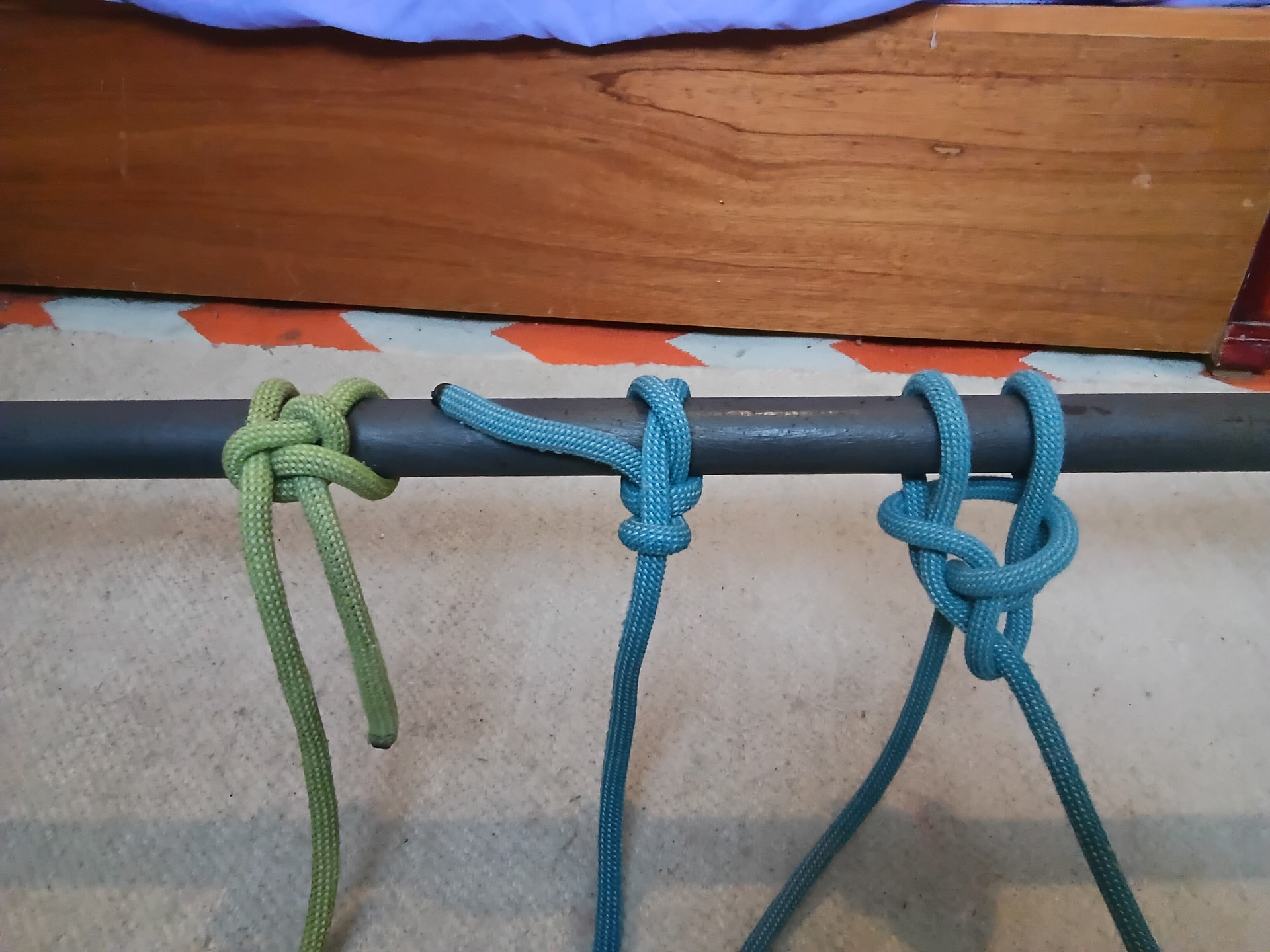
Hitch 4 + 5
I found two more non TIB ways to have the standing end affecting the tail clamping less direct. Not bad, but messy compared to the initial hitch.
The “opening with one pull” is out of sight also…
Dan, I tried to recreate the opening you described again, without success. Using relativly stiff 5mm kernmantle nylon.
I tied a version supposedly more prone to being forced open by the dominant standing end (below, right). Tried again to make the tail move.. again without success. Same 5 mm cord.
Hitch 6A.
In terms of ease of tieing and untieing. I think this is it. Secure too. Not holding tension well tough, which i was not after here anyways.
Using the clapper trick from alan lees quick release eye knot.
For better recognisability i left the last tuck without a slip (its still TIB like this)
There maybe arguments on security, about the orientaton of the bight as it forms the transposed munter hitch.
..No need for access to end of rope or object, when slipped.
I hope you try )
Great efforts andreas, but frankly, the one you deleted is my favourite, lucky for me i got to see it before it was gone, and not just because i have tied it too, but it also seemed much simpler than your other hitches.
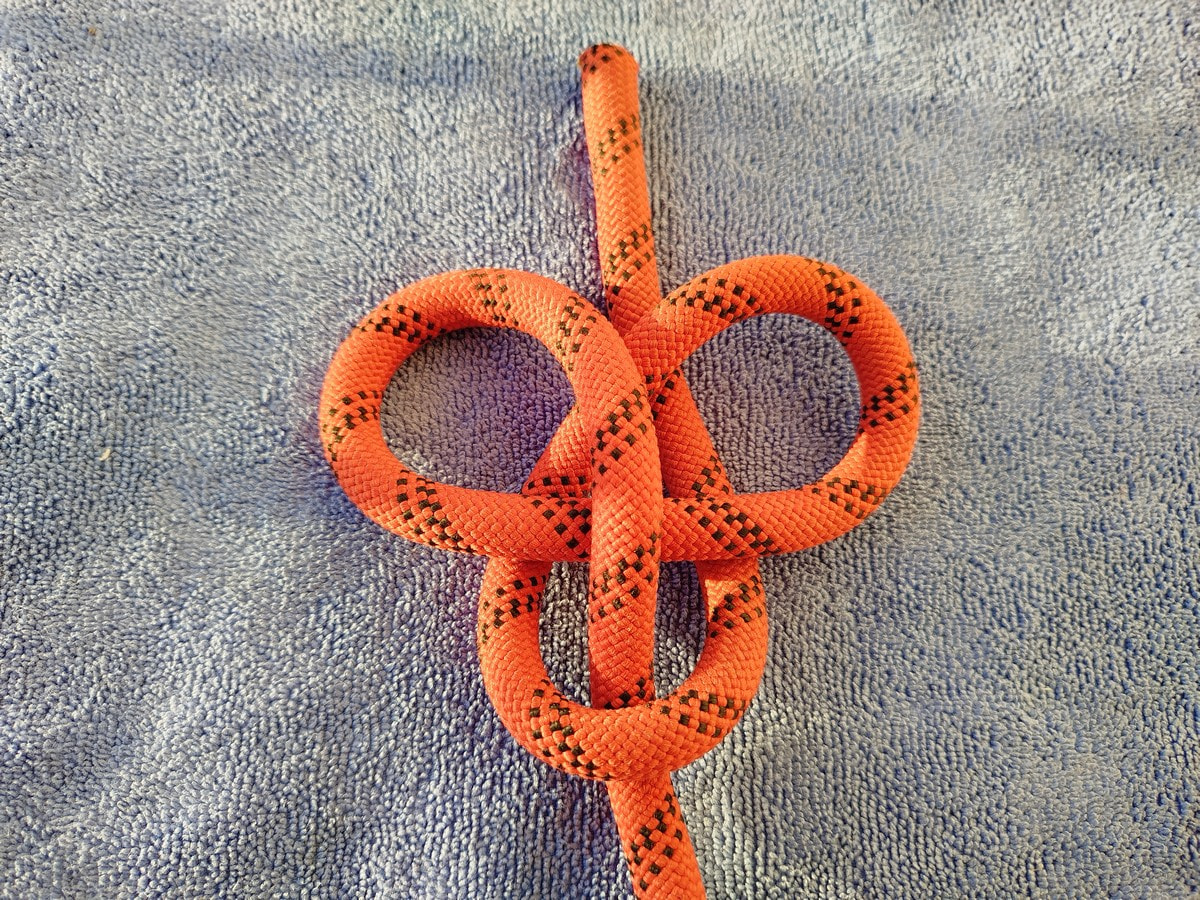
I am restoring it for a quick reminder in flat form, without a pole through the loops.
Since, i am usually thinking in terms of fixed loops/eyeknots, i have replaced the pole with just returning line passing through all loops of this trefoil TIB formation to generate the trefoil adjustable eyeknot.
Hi Kostas, what a nice (frog)eye. Thanks for sharing. I like it slipped best…
I deleted the hitch, because i wanted to focus on versions of less questionable security using Dans input. I’ll find a way to test though..
two more versions that appeared following this idea are also TIB:
From left to right…
Hitch 7
The deleted hitch leading to your eye knot. Clamping the tail against the object.
Hitch 8.
three tail tucks well worth it. A clove finish. Secure, independent of the object. Non jamming. Stays loose or (very) tight depending on the initial tension brought in through the tail.
1st obvious keeper.
Hitch 9
Swift tieing and closing (two identical tucks through the middle and left, plus a flick when closing through the tail)
It holds tension through a crossing.
A few variants that seem worthwhile, from left to right:
Hitch 10
An alterative overhand finish (hitch 4).
Two tucks only, does not hold tension.
Direct, one pull release when bight is tucked.
Seems to be more secure than hitch 1A, while having very similar properties.
Hitch 1B
More effectively locked tail compared hitch 1A?!
Two tucks, holds some tension, through a cross, like hitch 9, which it should be also compared to.
Hitch 6B
A cleaner, more effective path before the final tuck. Needs to be tied close to the object, to close well and easy.
This indeed looks GOOD. It’s more secure
(i.e., less slippage on loading) because the
S.Part pulls into (of its collar) a side that leads
back around the object … and a side that
directly NIPS --vs. pulling upon, as Hitch-4 does—
the Tail !!
For me so far, it takes some working to set well.
I want to --but need to get to materials to do so–
try it qua pile hitch (large object).
… thought you’d like it )
Yes Nr 10 does not set easily.
But after being set firm, it is still not keeping tension well.
Also, to release the slipped version with one pull is bothersome at best when set firmly.
Tieing it loose might be just right, and still good.
I got it to lock and hold in free air around two legs of a chair, withstanding minor forces.
(So did nr. 4, 5, 8, 6B and 11)
Hitch 11 when slipped and loose, closed from the SE travels around th objct and becomes a stable variation of the tumble hitch (pic left)
Right side, holding the tail earlier than the tumble hitch by squeezing the “butcheeks”.
Tieing like this means reaching around. .. they’re of topic.
As we’re at it.. spread correspondingly, but better mechanics:
hitch 10
Ties medium size objects well without reaching around, by closing the loose tie from the SE
should have increased clamping force just before closing fully