Hello! I didn’t find this method anywhere. It seems to me wery simple.
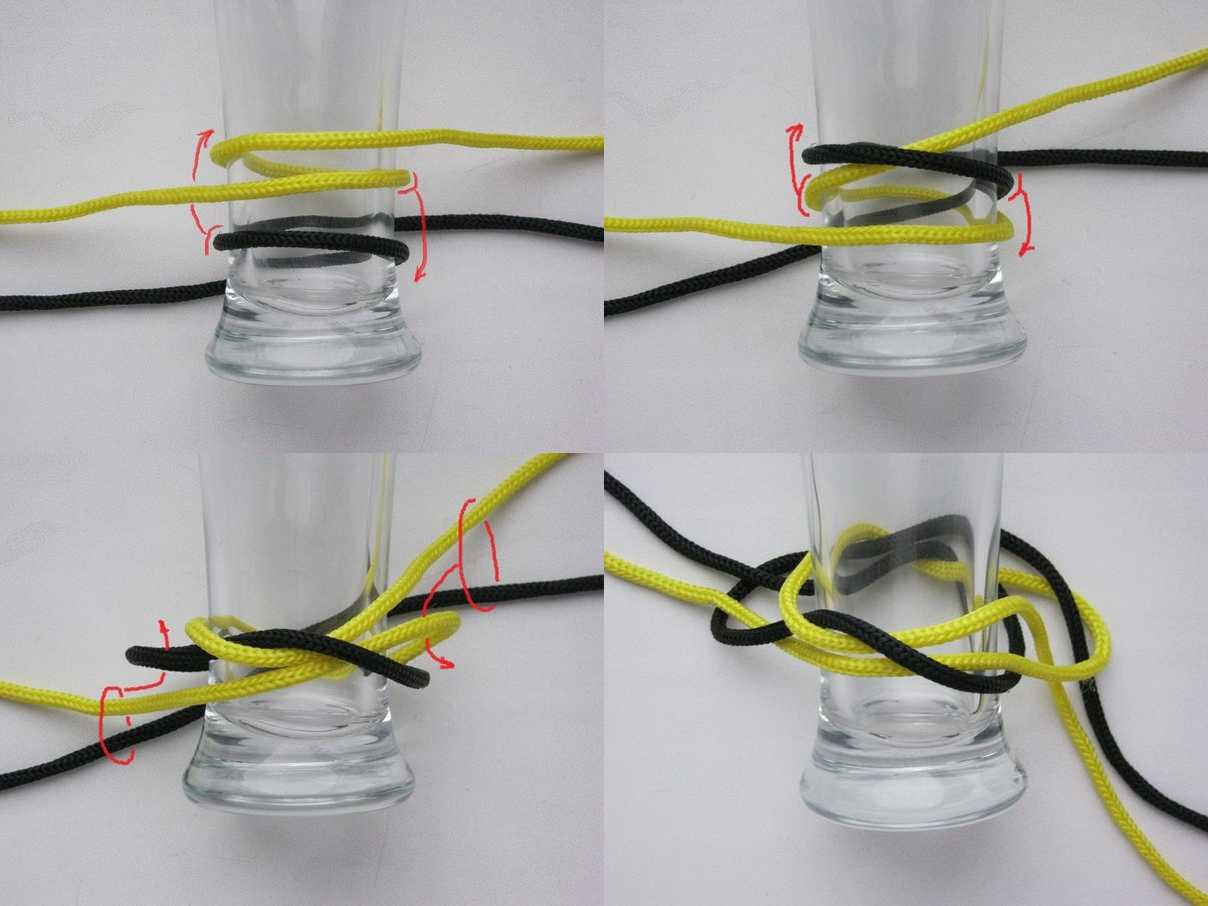
Hello! I didn’t find this method anywhere. It seems to me wery simple.
Hi, 
And where you have found this way?
I just did
Hello! Here is another method based on the first. Now without using a post. https://youtu.be/6tVLQlRa6j8
Hi All,
I like to share my way to tie this ABok # 1142. Jug Sling Kont.
谢谢 alanlee
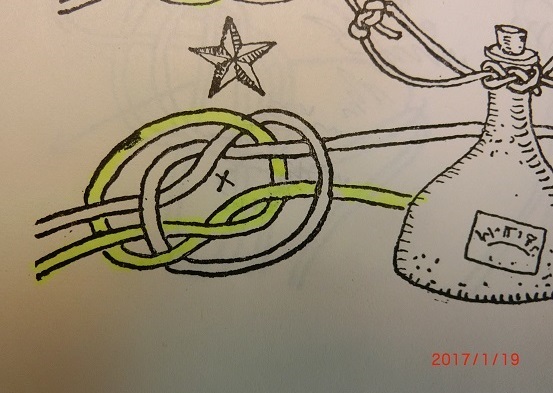
Hi, Eric22! Your way will be the 11th or 12th method known for me. But the best way IMHO is Goldobin’s one:
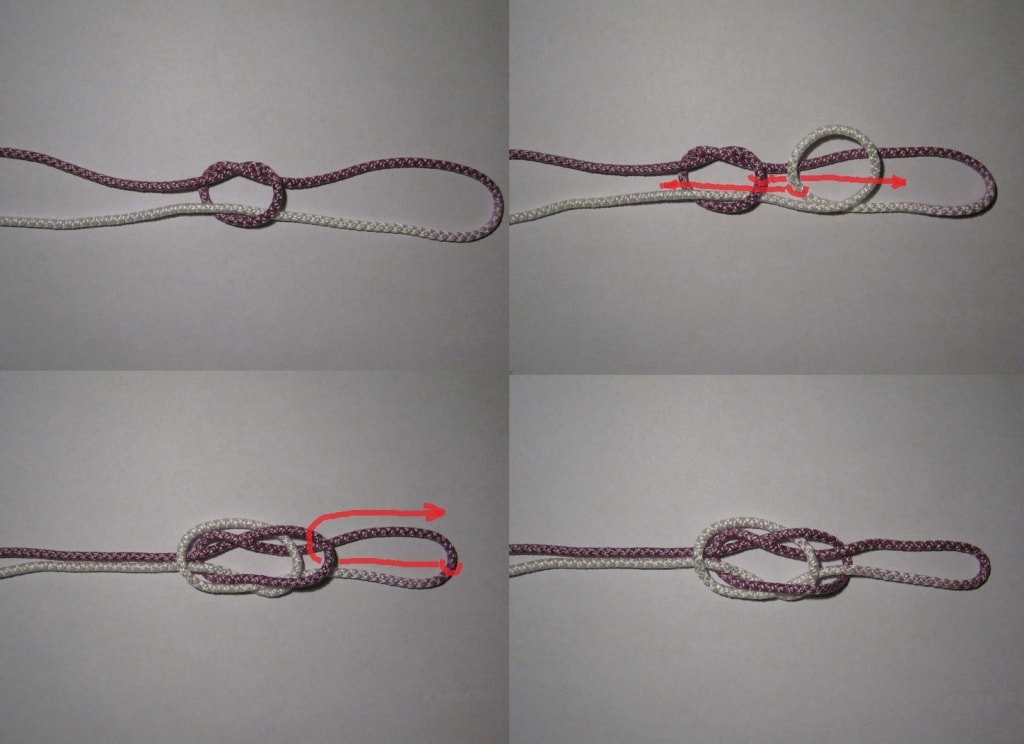
Hi All,
Dmitri thanks for the reply, five years ago I don’t even know the word ?forum? mean and don’t know much about computer,
my son Eric have registered his name as a member, so that he can help me to write and post my knot’s work.
Few months later I slowly take over and do most of the posting myself.
   My son Eric do'nt do knot, all he knows are just the few common knots.
   I am the one having fun doing all the knotting here.   谢谢 alanlee
Hi All,
I Just upload a video how to tie The Jug Sling Knot.
Enjoy. alanleeknots at youtube. 谢谢 alanlee.
Hi Alanlee! The Jug Sling from bowline - it’s cool! 
Cool!
Hi Olegan67! Glad you liked it. I don’t think the first way is the best of all, but it likely is the best to tie the Jug Sling on the closed post.
And here is another new (?) way:
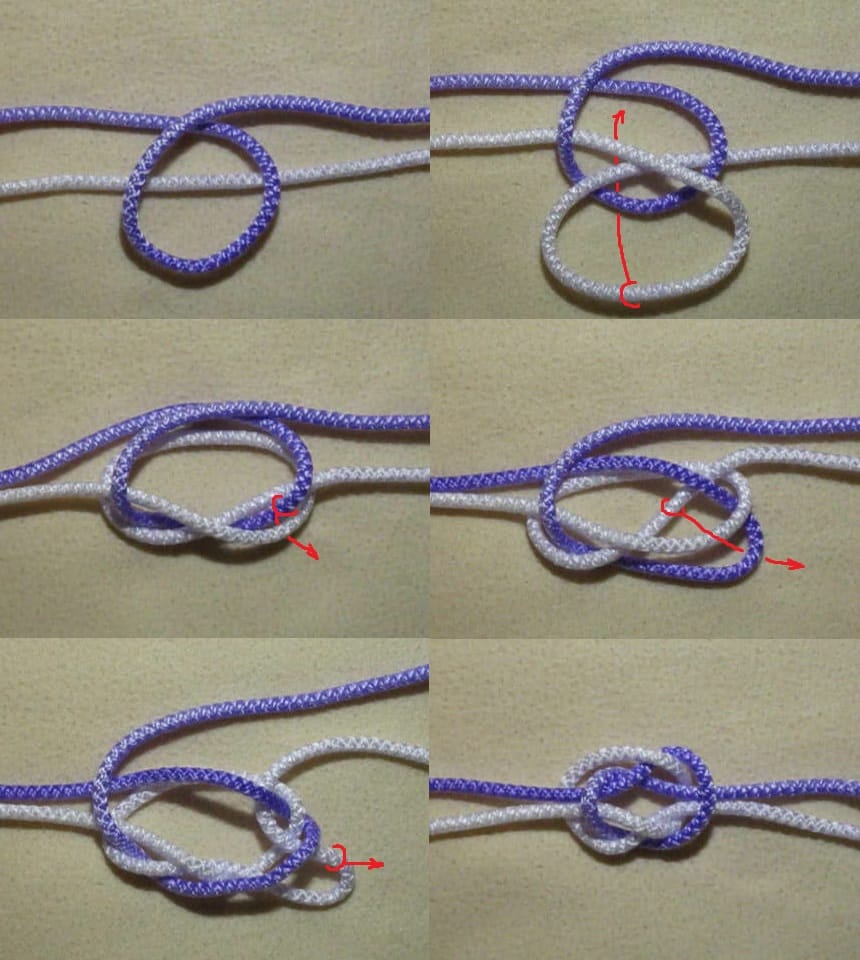
OK here is another version:
There is a video here: http://igkt-solent.co.uk/tie-adjustable-jug-sling-knot-bottle-sling-knot/
Hi Dmitry! I really love this method - it’s my new favorite way to tie a Jug Sling. Where did it come from? I can’t find any other mention of Goldobin anywhere.
USSR patent SU-1751237. You can find images here (in Russian): http://patents.su/2-1751237-sposob-vyazki-amfornogo-uzla.html
Hi All, I hope some one can show me what is the " Goldobin’s one "
I don’t thinks this is the “Goldobin’s one” It seem not too easy to tie this way.
Make it less confused, i bring in my video here, so far I haven't find any tying method easy than what I have here.
https://www.youtube.com/watch?v=WBDn25h80KU&t=25s
谢谢 alanlee.
I was cleaning out some files to recover disk space and I found Alan’s video.
I never got around to actually learning the methods shown, so I decided now’s the time. I chose method 2 in the video, which runs from about 00:45 to 01:40.
I actually had a bit of trouble with it, which is surprising considering the excellent production values in the video: it couldn’t be clearer, and yet I couldn’t get it.
Am I thick, or is Alan using sleight of hand to fool me? Well, a bit of both, although the sleight of hand is not intentional, as we’ll see.
The first thing to say is that Alan is using very soft cordage; it’s positively floppy. This would not be a problem except that at one particular point it’s crucial that the line “falls” a certain way, and with stiff, springy line it won’t necessarily go the right way. But you can shepherd it once you understand what’s required.
The second thing is that I didn’t watch the left hand, which fulfils a crucial role. At about 00:58 it switches the ends such that the short (white) end, which is on top, ends up on the bottom after everything is smoothed out. Without this slight manipulation, the right hand pull-through may not transform the elements into what’s shown in the pause (01:05) before the final tuck and shaping.
But, all’s well that ends well, and I’m now happily practising this method to lodge it firmly in my memory.