Best midline loop for leapfrog winching heavy object -15ft then switch to next loop

I have two winches that pull about 20 feet ea and I want to tie loops in my main line to drag something 130 feet. I dont think the alpine butterfly is the best because it jams and if I cannot untie the loops it will ruin my long rope.

Which will be the best loop knot to tie that will not weaken my rope, be relatively easy to untie. Which midline loops should I be looking at ?

Pairs of Prusik cord loops of smaller diameters than host?

Have to watch materials and constructions of the rope materials.

I think ButterFly is best if balanced pulls to ends , and less if any on the loop/eye, probably best if any pull is perpendicular to ends pull.

Standard usage of a zRig breaks these rules and BFly tries to be friend. Some put dowel/stick in the works , then pull that pin for leaving workable play for teardown/repurposing or storage of the rope material.

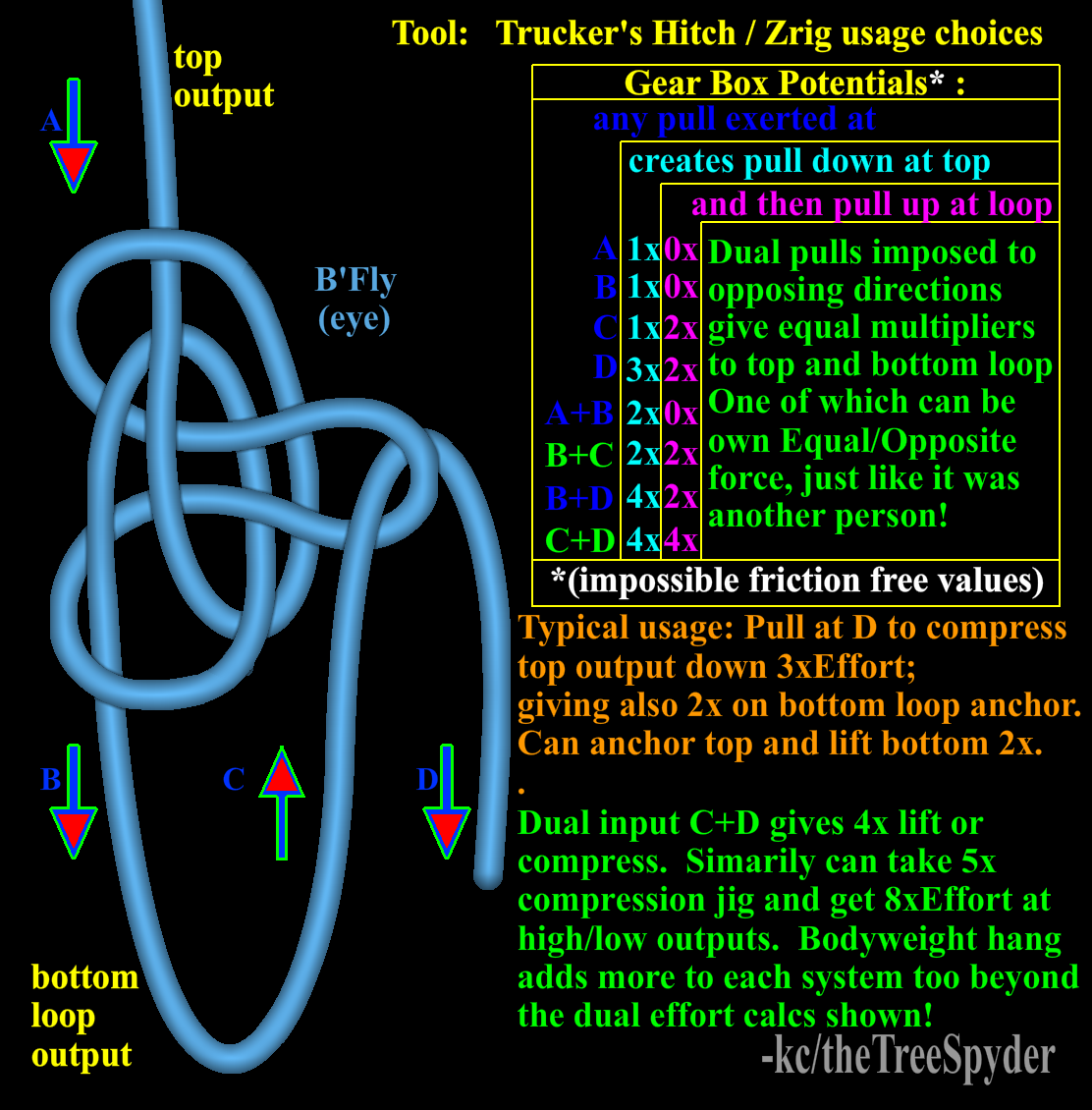
A zRig is like a transmission of distanceXforce ratio conversions of input to output dynamic point potentials and 1 static machine point. 3points externally 1x,2x,3x. Potentials of any point being input, output and pivot. Can pull 3xDistance and get output of 1/3xDistance at 3x power in conversion. OR reverse to get 3xDistance at 1/3Power. All conversions have friction co$t as tax of conversion against the potential. More with conversion with compound setups, but might not be able to use all of rope. Quick reset with Prusik slides to use all of rope quicker can be very flexible usage.

I dont know what a zrig is. I just have two cable winches that pull about 20 feet then I will hook up the other winch to the next mid line loop and winch another 20 feet. I tried alpine butterfly for a very strong mid line pull a few years ago and I could not untie it later. Are you saying there are some devices that hook to the rope better than knots ? What are they ? Where ?

Given that the load of your application is considerably heavy, i would recommend the use of a bowline-like type of midline knot.

The simplest inline knot is 1050 harness but it might distort at this loading zone, so it would be better to use a more enhanced/stable form, usually by adding a second rope diameter inside the nipping loop.

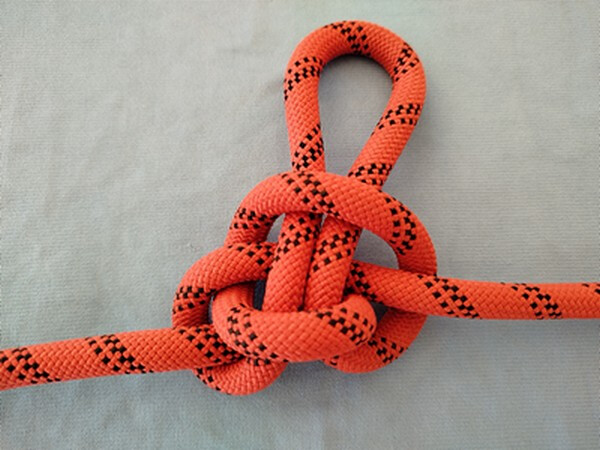
Hence, for eye loading situations, you could try the wheel knot, and you won’t be dealing with jamming issues like the butterfly knot.

Cinch it very well to remove all the slack and i would be very curious to see you updating with the results.

A Wheel knot ? ? I never heard of it. I need a reliable mid line loop knot that will not jam under very severe pulling so that it will not destroy my rope. How could the best knot be one that I never heard of ? Are there hardware attachments that will work better ? I need to tie five or six of these mid line loops about every twenty feet so I can hook up one winch before I unhook the other winch under load. “WHEEL KNOT” ? ? ?

Hi Preventec47.

I would give a try to using the Butterfly and insert a toggle into the knot body. Slip the toggle out when done and it should untie easier.

I hope you have a strong rope!

SS

Should you have expected some sort of accompanying certification with this inline knot, i’m very sorry to dissapoint you, there is none, probably you won’t find it in any other knotting book either, because it was born in this very forum.

Best midline loop? In my view, that’s a rather abstract notion to use, because as you put it previously, the best, most well known, universally accepted butterfly loop , found in every knotting book, didn’t work for your application.

I suggested it as a good option for eye loading scenarios, but i can’t be sure about all the aspects of your application.

Since you have doubts, and you are fully entitled to do so, may i suggest a test with a small diameter, cheap rope with reachable tensile strength, in order to find out how it responds to heavy strain.

Nonetheless, let’s see what other suggestions you are going to get for your case.

Am not sure of load weight, type; these are my blind thoughts, of general rope handling applying to many of all. A good trick is tarp or branches on pull line , that doesn’t interfere with pull, to potentially confound some/all whiplash value if rope breaks. NEVER stand inline with high loaded rope. If breaks can be like standing in front of or behind shoulder held Law’s type rocket launcher , you are on the loaded axis (“The Enforcer” Squint/Clint Eastwood https://www.youtube.com/watch?v=tnX4e8YxaUc ).

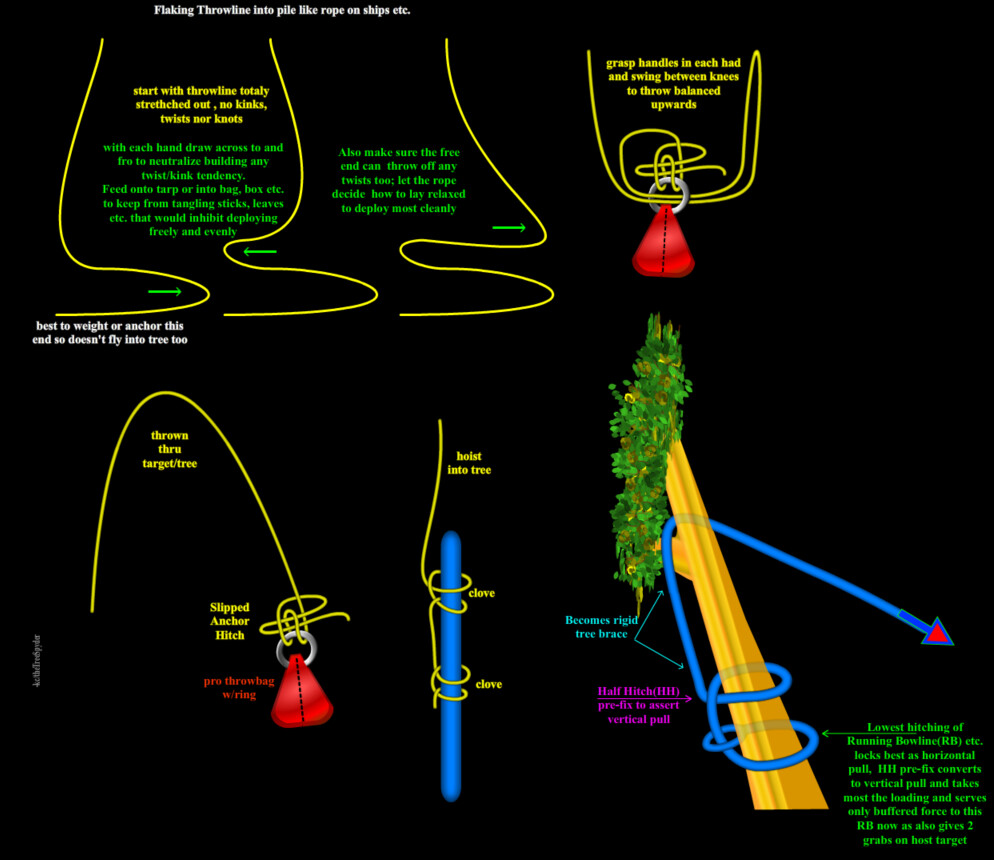
What is being pulled? if round log of something else that does not a pull ring, would want to have a grab of a Clove, or better yet Running Bowline preceded by a Half Hitch is best so pull straight and true with inline pull, not pull from side (with like Running Bowline)to try to connive a straight pull from(doesn’t always pull well with out). Pulley on tree higher than winch can give more upward angle pull for less digging into the ground as resistance by the load .

i guess toggle is name of stick/dowel thing tried to lend as removeable spacer inside of Butterfly; to ‘pull the pin’ out for slack when removing knot..
i was also trying to suggest a rope grab, instead of knot in the pull line; all this depends on various things (load force, rope materials etc.).

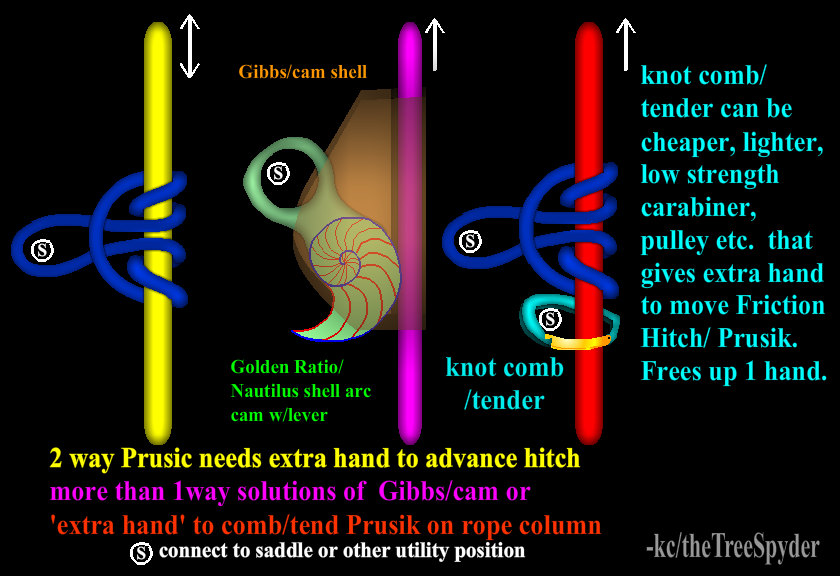
A Prusik would be a standard example of the Friction Hitch family; there are others, that would grab around pull line, and winch to it. 2 separate Prussics to share the load and spread it out. These would be a ‘software’ (of rope) rope grab of host. Instead of a hardware grab of gibbs/cam that could be harder on the host pull line line. you would unload the winch pull and slide the hitch forward for another grab/pull instead of retying knots at different positions. But each has load ranges of usability. Another difference is would slack pull line, to untie midline knot each time, but with rope grab type instead can leave pull line tensioned/anchor and slide the grab forward for another pull cycle.

zRig would be like a Trucker’s Hitch only perhaps with Prusik and pulley. USUALLY use to trade the distance of input pull by force by winch; to less distance at higher pull tension. This Z geometry no matter how made would have a 1x position as input in the system, a 2x position as machine point/pivot and a 3x pull position as output against load; like over a truckload instead of a ratchet strap type tied down. It would triple(-friction) the input force of a pull, at 1/3 the distance tho. Here, if winch of short distance pull input to work distance load as output; AND had much more winch force that needed and system would take it: could run 3/1 z rig backwards to get 3x input distance as output, but at 1/3 the capacity.
2 caveats:
‱each conversion like this has a friction co$t against the output force to less than 3x potential on a pull, but more than 3x control on paying out like lowering.
‱warning: load will pull 3x faster than winch in this type of conversion.
i have pulled 500# loads up long hill with short drive way run for truck pull (no winch)like this a few times.

Still another way to go could be some kind of Clove, Cow, Muenter etc. locked to winch hook.

At first i thought B’Fly usage might be with such a rig; with a kinda Z geometry:


This would be midline rope grab of Prusik (1) or cam(2):

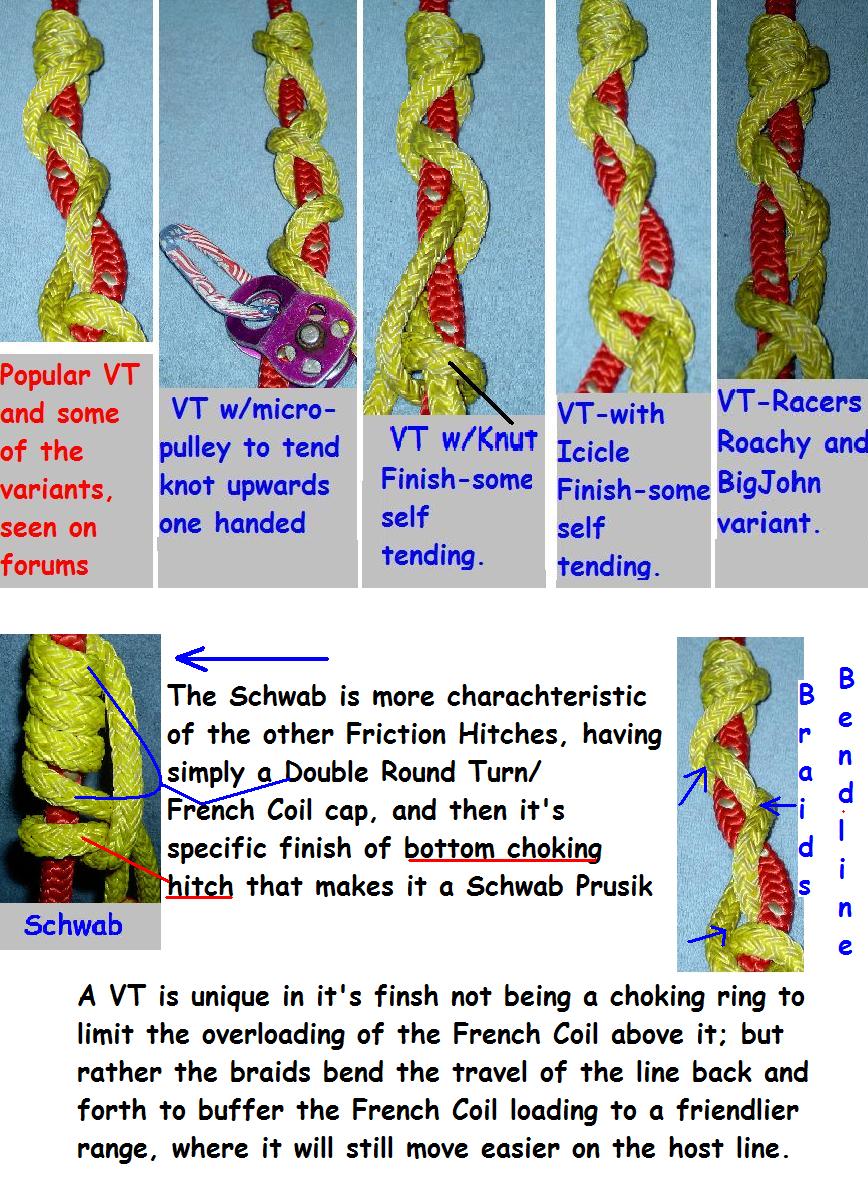
Some other types of Friction Hitches:

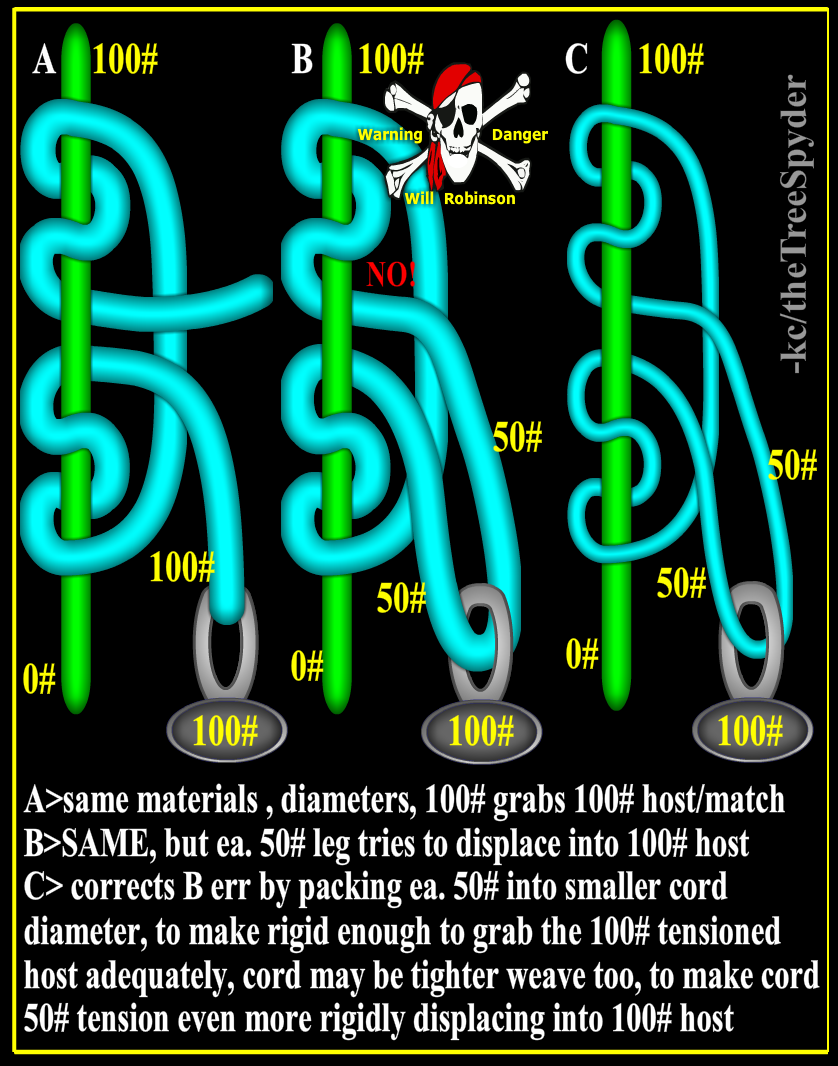
These are mostly pulling both ends ; this is to why would use smaller diameter, more rigid ‘cord’ for Friction Hitch than the host/pull line.

The smaller line at split load tension has more ‘psi’ to as like grab the ‘softer’, ‘fluffier’ host/pull line. If same size as host and both ends pulled, it is of half force of rope trying to grab, so can’t cleanly rigidly displace against it the same. i think can’t ‘dent’ host to sit on ‘shelf’ for inline block against slide; thus left only to depend on the across pinch , not deformation that would also help to prevent against slide.

I just have two cable winches that pull about 20 feet then I will hook up the other winch to the next mid line loop and winch another 20 feet.

I get the impression (from “drag”) that your load is
to be moved over ground, and not particularly inclined?
I.e., if you release your winch, the line can relax but the
load won’t go anywhere.
IF this is the case, you don’t really need “mid-line” eye knots,
but just an eye knot that can be put in NSE (without ends).
(But then you’d do as well with 1 as 2 winches.)

Using a sling that is friction-hitched to the haul line
is probably easiest.

You could try tying a bowline mid-line, using a
U-fold as the working end, and thereby getting
it when tucked through as an eye --to use alone
with what would’ve been the BWL’s eye drawn
up around the body (Ashley’s #1016, in various ways),
or keeping both eyes taking the hook.

What are the materials (ropes, webbing) you have?!

–dl*
====*

Wait, what? Hahaha. This is both impressive and incredibly confusing. But, I have low reading comprehension

The pull is continuous
. actually a tree leaned way over and needs to be pulled up straight then further. So pull 20 feet with one winch, then hook up the other winch to a mid line loop and then pull another 20 feet and then repeat I have four hundred feet of 3/4 inch dia super synthetic rope. 11,000 pounds strong if I recall. I have obtained some plastic pins that are actually

tent stakes to include in the mid line loop knots to help untie the knots when done.

t

In the OP there is a dragging for maybe 130’,
and now there is a pull to straighten-up a tree
leaning way over,
which IMO is something highly dubious to do
and, well, a 50’ tall tree even leaning way over
doesn’t need 130’ to come straight! !?

As for the knot, I continue to suggest tying a bowline
w/a u-fold of the rope (since no ends are used),
AND then casting a half-hitch with the tail around
the eye(s --you get two eyes in tying with a U-fold)
snugged up against the reast of the bowline :: this
HH should take the through-loading fine, surrounding
as it will the 4 legs of the two eyes,
and all should be quite easily untied, and kind to rope.

Now, what would a TreeSpyder think of the pulling up a tree!?

–dl*
====*

Logically would have the leveraged lean weight + the resistance of the stump/roots to ground against the turn torque as a sum to be over come. Then looking at placing a high loading pull high in tree at perhaps a thin structural point for this pull? Not at it has never been done, but this could very well be a severe stress. Is this ‘wind-blown’ or as-grown, bull dozed etc.? Large was always leaning would envision roots and ground being very use to their set ways against change. Trimming some lean side branches if appropriate would be safer now, and help efforts.

1 mitigation is to tie rope off on trunk to lean side, trace rope up ‘spine of’ tree on lean side, then over strong structure of tree at pull point, to then feed to pull side. The rope length between trunk and pull point becomes a brace. Also, a more graceful/gradual bend at pull point instead of sharpness of pull so immediately at a single point if there is any flex up top from the strain. Pull point should be at or higher than the CoB (Center of Balance) to take greater command of it on the tree.

If 50’ tree, the pull point would be lower perhaps at 30’ish of real wood, not at soft tips of tree? How thick is this trunk at ‘DBH’ (Diameter at Breast Height)?

i agree more of an endpoint eye knot, made mid rope; again B’Fly is best even pulls on the legs. Leg to eye is a distortion of the structure to weaker /lower efficiency and more proposed to seizing.

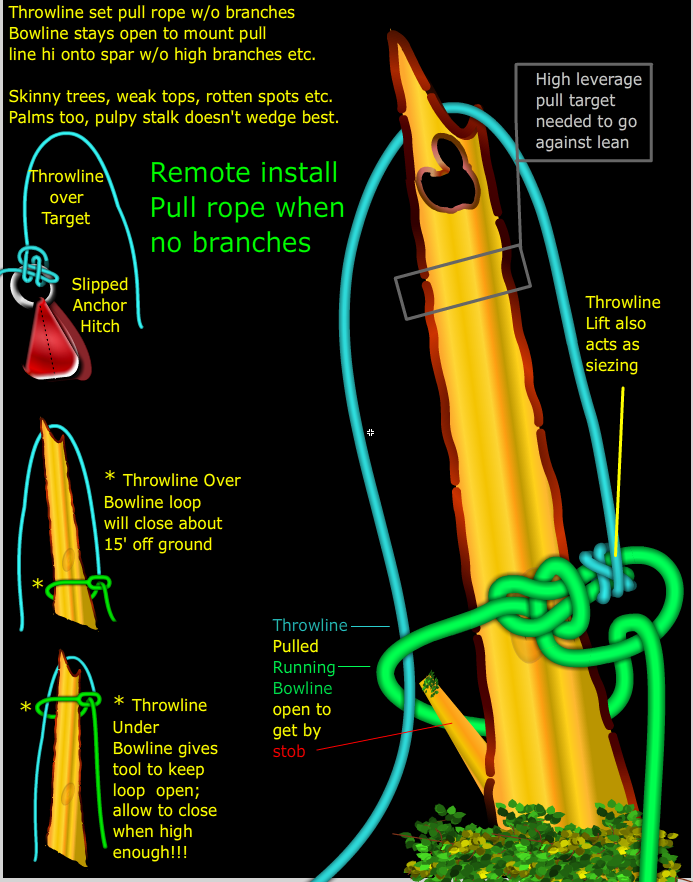
Assuming placing line into highpoint on tree, would recommend an improvised throw line kit. Whereby , throw a weight with light, slick line into target, to then pull up real rope for the venture. The weight should be soft, as hard weight can bounce out of target, and be at more risk of head/body injury. A soft weight can hit and slide down target, with less chance of ‘denting your coconut’(head). Even a mechanic’s towel with 2-3 goofballs worth of dirt works. Line should be light and slick, to throw high and not hang up. They sell kits with beanbag all and a ‘slick line’ mainly yellow so some say pea line
 Paracord can work for 1 job some, not throw as high and shake/dance line to ground thru frictions presented. 2 spread Cloves around real pull line to draw it up into place. if going this route , could re use throw line to be in place to pull Running Bowline back open if using other line once pull line has done the job. Could go with a running Bowline or over the top as to rear mentioned. Bowline could to higher in a Y for balanced higher leverage vs. up the back lean side and thru the crotch to not get off balanced pull to 1 ‘wing’ of Y. It would seem there would be some rope brace left in place to nor allow leaning back again. Seems also tho were going to remove B’Fly at end (?). In successive pulls, would have to maintain pull as reset for next pull?

Should start with throwline Very free feeding; and not pick up trash. Favor have ‘flaked’ onto small tarp or into bag, bucket, box etc. This simple tool can be magical for this. Flaking would be to start with no knots or kinks and the light line stretched out w/o restrictions; to deftly serve off any twists etc. past the free end of the line. Have anchor , even to another ball on working end and toss rope willy nilly back/forth right/left loosely and let frail line do what it wants to self neutralize any kink tendency by counter throws to and fro in hands and going off end as it likes, not as ye dictate. This will deploy best. With practice can do into ammo box even, perhaps some bruised knuckles for novices.

So if extreme no branches, weak part don’t want to leverage pull thru to pull straight or remove against back lean; some of these tool strategies would look like this( this is actually meant for removals of windblown or palms, but same metered force to same strategies with same tools) :


Rope is a flexible material that can fashion to many utilities; but to reuse, don’t have to unscrew, saw, heat/melt, pound, shave etc. just unload to it’s form-able ‘molten’ state..!!

Working on other drawing; always feel like i am starting out new with drawing, since last beating/lesson it gave me !
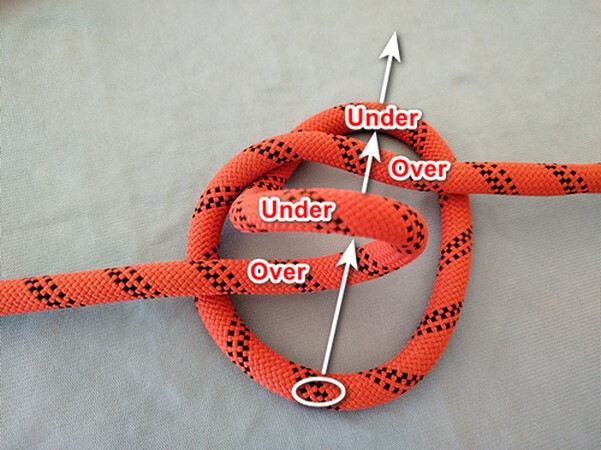
I appreciate all the ideas and I guess I will use the Alpine Butterfly with small no more than two plastic tent pegs wedged into the knots placed every 18 ft or so in a way that I and hook up my 2nd winch while my 1st winch is under tension and maxed out as to pull capability. I have not been successful with any and all kinds of throw ropes and weights so I am now using a hunting bow and arrow with paracord line attached to the arrow for rope placement high in the tree. I’m going to round up all the other mid line loops and see if I can find one I like more than the butterfly loop as I had a negative experience with the alpine butterfly before in not being able to remove the knot later and that effectively ruins the rope. My plan is to pull the large tree well past the 90 degree vertical and when fall direction is 100 percent assured, then I will cut the tree at the base.

Nice, the arrow can stick in tree or bounce out tho.
This really sounds like pro level work 
these are massive forces that can smite thee 100 different ways..
A pic of present to target would help advise.

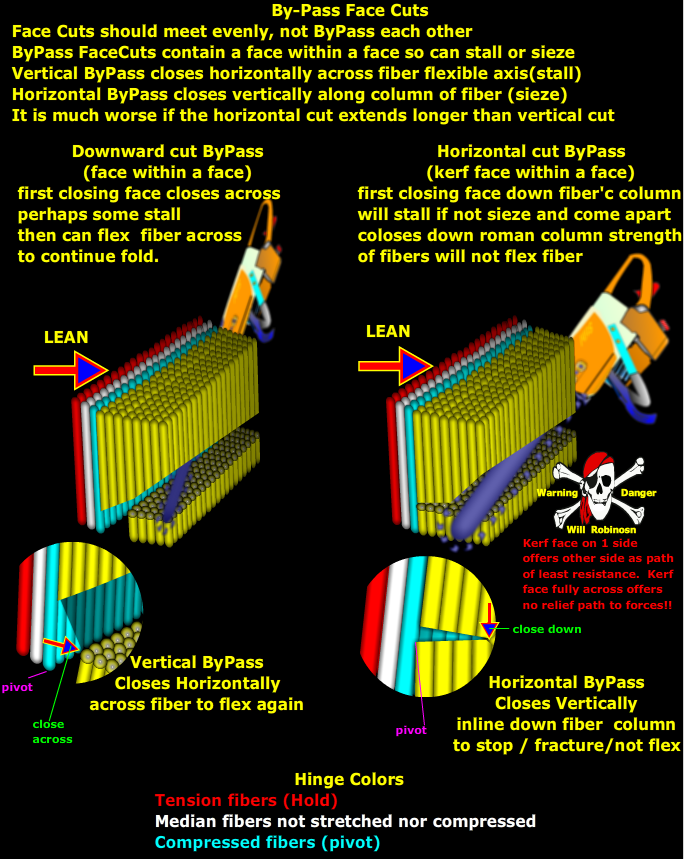
Usually would look at more than 1 man job, and pull as cutting into face; backing up with wedge as safety against sit back. Especially when in the batter’s box with saw. At some point , in good wood, hinge is just right to flex enough to just pull w/o man in batter’s box/at base of tree with saw. This would be asking a lot of flex range from the wood. Plotting the hinge to be in widest center of tree would be best. This would afford the thinnest hinge for easiest flexing and greatest side to side geometry of control/stability.

Best practices would be to not walk away behind tree, but at 45° angle, leaving saw behind.

Would felling to side with triangle shaped hinge pointing to weighted side help(if good wood)?

Definitively would want the facecuts to meet evenly in the face, neither bypassing the other. SPECIFICALLY do not want a horizontal cut that is perpendicular to the fibers to bypass a slanted cut, this makes a shelf that closes early, as a face within a face. In worst case the tree can lunge forward and sit back at the same time like an old timey ‘barber chair’. This is how mens get killed; also a big reason for not being straight behind tree on the ‘loaded axis’ and exiting at 45degrees too. i would crank support the tree so much/not fully then take face. NOT fully compress wood, then try to take face. Slant face bypassing longer than horizontal is not quite as bad.


Good L.U.C.K. (Labor Under Controlled Knowledge).
This is pic of throwline usage with bag of dirt or shot etc.

Facing tree for throw is more accurate, but facing away is more leveraged swing for a bit more height.
Tie off to rear base of tree leaves knot on top near sawyer to remove easier, Running Bowline high in tree leaves knot under tree after felling


For me the bow and arrow trick is extremely effective. I took a metal tipped target arrow and wrapped with epoxy and string the tip of the arrow and placed a few steel nuts to add a lot of weight to the tip of the arrow. This slows the arrow and gives it more momentum ( it feels like ) then the cord

is tied and wrapped around the arrow just ahead of the feathers. So far I can shoot very accurately between the branches or forks until the arrow reaches the end of the cord then there is a big yank and the arrow falls to the ground on the other side of the tree. I highly recommend for throw weight enthusiasts
 I got the idea from a big sling shot device I saw for sale to throw the weighted bags into the trees. The Bow and Arrow if you have them work great.

Hmmm. I still think that a bowline tied w/U-fold
(as needed for the mid-rope knot) and 

so to have two eyes to take hook bearing, and also
to give 4 rope parts for the half-hitch to bite into
(which should not capsize) --for straight pulling–
making a half-hitch with the tail around the 4 eye legs
gives a much kinder-to-rope, surely non-jamming knot.

Ashley #1074 is the BWL, and putting a HHitch is the simple
addition for “through loading” (end-2-end).
One might find a knot that uses less material and
does OK, but you aren’t wanting for material
efficiency --just want assured strength & ease
of untying the knots, and my recommended knot
provides this.

–dl*
====*

Dan I would gladly follow your advice but I cannot understand your knot description or instructions. I need pictures showing me how to tie the knots as there are so many of everywhere on the internet. Just to repeat, I am going to hook into a midline loop with one winch and pull as far as it can propably 18 feet and before letting off tension I am going to hook in to the next loop tied in to the rope with the other winch and let it pull another 18 feet. Then repeat. The know must be strong, not damage the rope, and be able to untied not necessarily easy but the knot has to come out.

I cannot understand your knot description or instructions.
I need pictures

I understand, but there are thousands of pictures of
“the bowline”, and the knot follows this structure but
for needing --being mid-line-- to complete the tying
with a “u-fold”/“doubled” (also “halved”!) “bight” of rope
instead of having the tail end at hand.
And doing so, you will have this bight-end as a 2nd eye.

HERE is an image of Ashley’s #1074, which is the base knot,
to which I then specify making a “half-hitch” with the Tail
around the 4 eye legs. TOP-LEFT KNOT SHOWN.
The Ashley Book Of Knots : Clifford W Ashley : Free Download, Borrow, and Streaming : Internet Archive

The Bowline’s main, defining feature is the “central
nipping turn”, which surrounds and squeezes secure
the eye legs. After making #1074 (with adequately
long eyes --6 inches?), then with the tail end form
a nipping turn, half-hitch around the eye legs.
If the bowline’s nipping turn runs clockwise-&-over,
have your eye-legs turn go opposite (anti-clockwise & over,
or clockwise & under); this I believe enables one to better
snug this turn up close to the main knot. (The bowlilne’s
like turn is held in place with the two collars; this added
one around the eye legs will be like the nipping turns
in the basic Sheepshank --the FOUR nipped eye legs
however will give the added turn good stability.

–dl*
====*

I should note that, given that the added Half-hitch/nipping turn
around the two eyes (4 eye legs) works, what’s good for the goose
should 
 allow one to remove the #1074 Bwl S.Part from being
collared and use what amounts to a fat Sheepshank,
biased in the positioning of the knots towards one end
and having the turns snugged against each other.
I.e., having the knot balanced in its working, both ends
exiting w/o collars, both nipping 4 parts. (And better to
do this with nipping loops of opposite hands.)

–dl*
====*