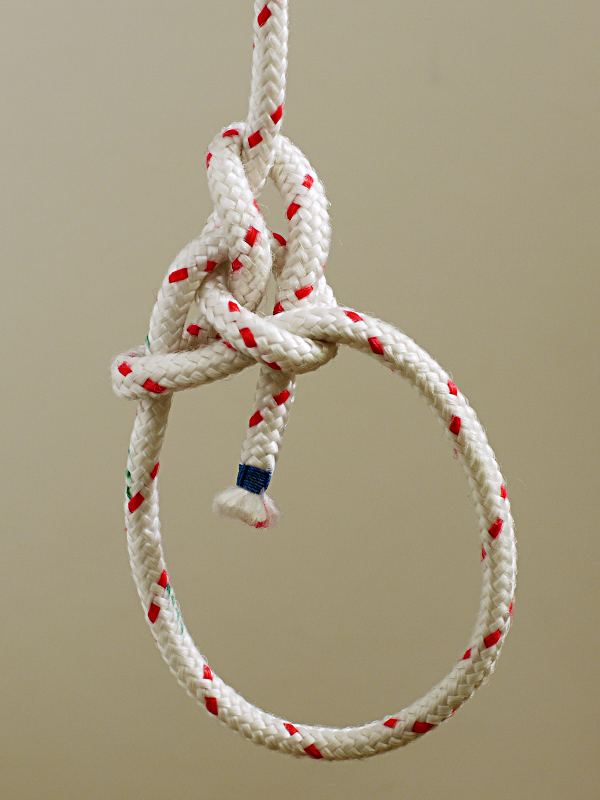
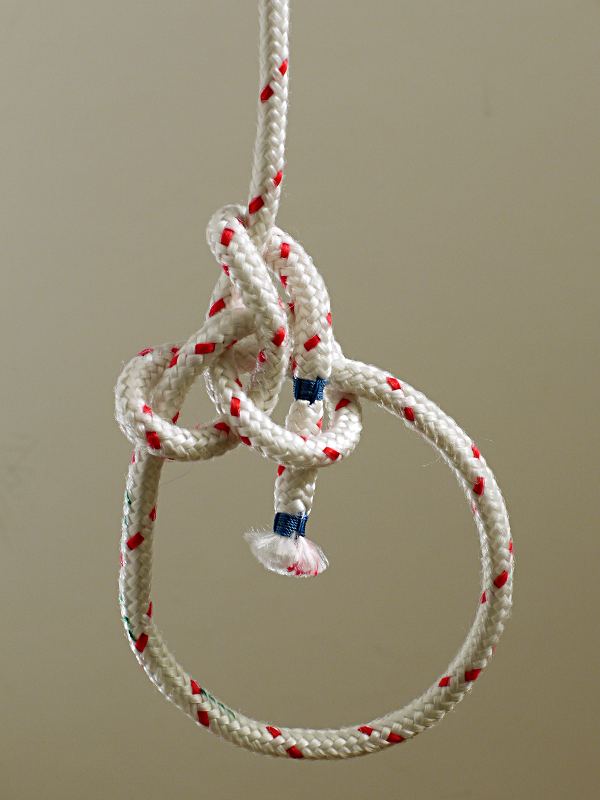
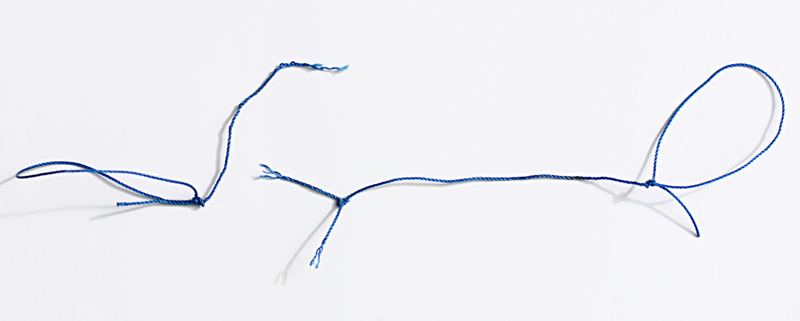
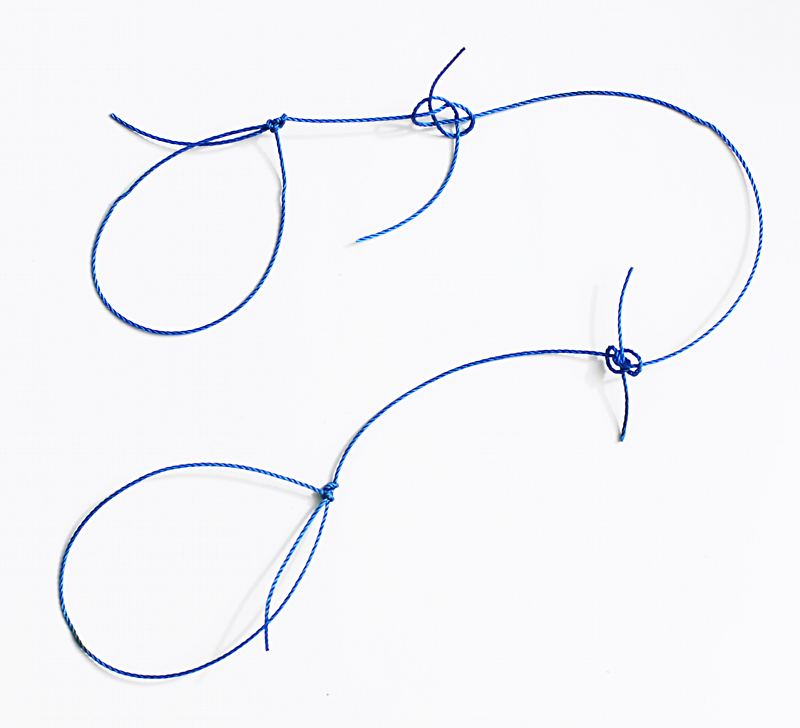
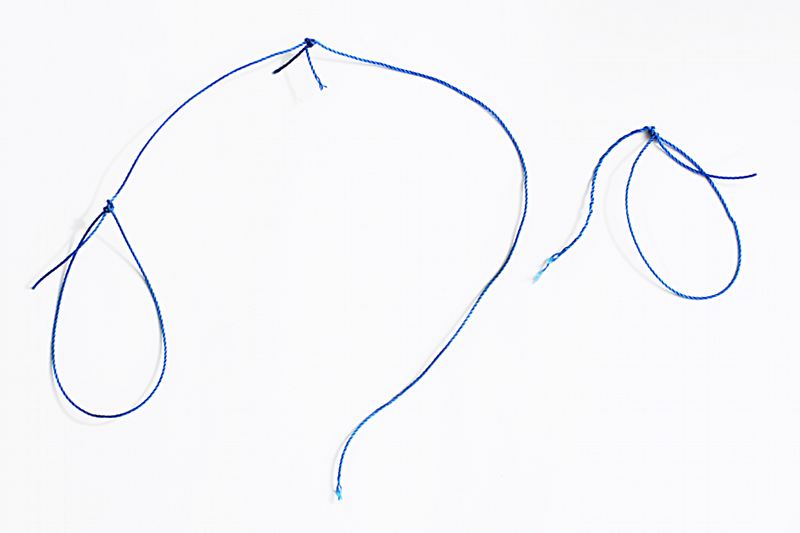
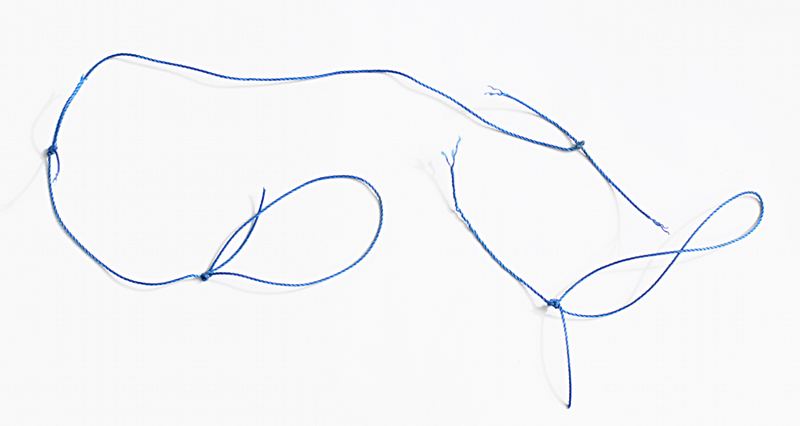
Dan Lehman has pointed it out several times, that the bowlines found in the wild are often capsized into a form where the collar is drawn out and wrapped around the knot, where the nipping turn has been drawn out into a stretched-out helix, approaching a straight line. It has been questioned whether bowlines are made like this on purpose, which I think is not the case. http://igkt.net/sm/index.php?topic=2209.msg15733#msg15733
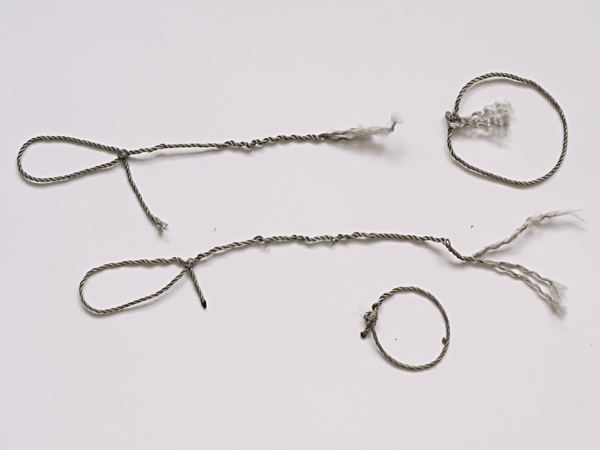
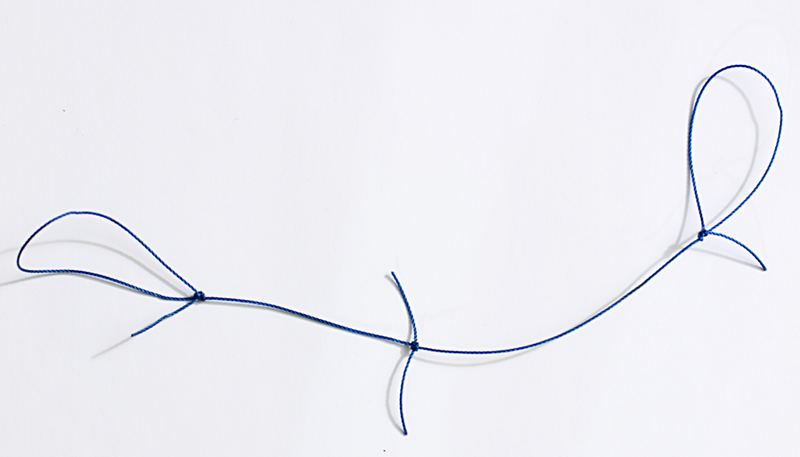
I was curious regarding how this transformation might come about, so I tried to collapse bowlines in various types of rope. My muscle power is not sufficient to put them to real test in anything stronger than fishing line, so I also tried to make the transformations with a spun nylon fishing line.
And the result was that I cannot transform a well dressed bowline into the capsized version once it has got into the TurNip form, provided the legs of the loop are close to parallel. However, if the bowline is tied around a large object, it will be subject to ring loading, and then the transformation will readily take place. No wonder then, that I haven’t ever seen one of those heavily transformed bowlines around here, because invariably, those that I have seen have been tied around rather thin objects as rings or similar. It is when you tie to a pile of subsantial thickness that the angle of the loop legs will ring-load the knot and pull the TurNip into a straight line. Then the bowline will still hold, but it is more like a noose, because the collapsed knot can slip along the standing part.
So the knot is not really safe; there are conditions when it will change shape into something that may or may not be sufficiently strong or safe. If the tail is left rather long, it is not likely that the knot will come undone, but it may still deform into the collapsed tangle. Even a collapsed knot will hold till the line breaks, although the well dressed bowline tied around a not too wide object is stronger.
My testing with spun fishing line a few times shows that the bowline when tied around a large object does capsize, while around a narrow object, it will not. When testing them against each other, it is the collapsed bowline that breaks. I did it with a marlingspike at one end and a wider iron tube at the other, jerking repeatedly, first to collapse the knot, then to break it. When it broke, the well dressed bowline around a narrow object (marlingspike) still retained its TurNip.
All the collapsed bowlines in the wild are not explained, but I think that I’m on the track of it. Repeated jerking, as when a boat is tied without resilience in the moorings and there are movements, sometimes there can be really hard jerks on its leash. If the bowline then is tied around one of those large piles, it is highly likely to collapse. Those around here are almost invariably tied to rings, or with a long eye that does not cause ring loading, so they don’t get past the TurNip state. So there are at least three factors contributing to the transformation: a loosely applied collar, ring loading around a wide object, and repetitive jerks.