This is another naming query (poll at the bottom). First some context, though:
- this is the cross knot, the cross side is considered the front and the crown side is considered the back. In Chinese it is “十字結” which literally means “the character for 10 knot”, which really means “cross/plus shaped knot”. In Japanese it is “叶結び” which literally means “leaf knot” but really means “square and plus/cross shaped knot”. I’ve seen it called the Japanese Bend, but haven’t checked to see if that nomenclature is from ABoK . Wouldn’t it be nice if it was the square+ (square-plus) knot?

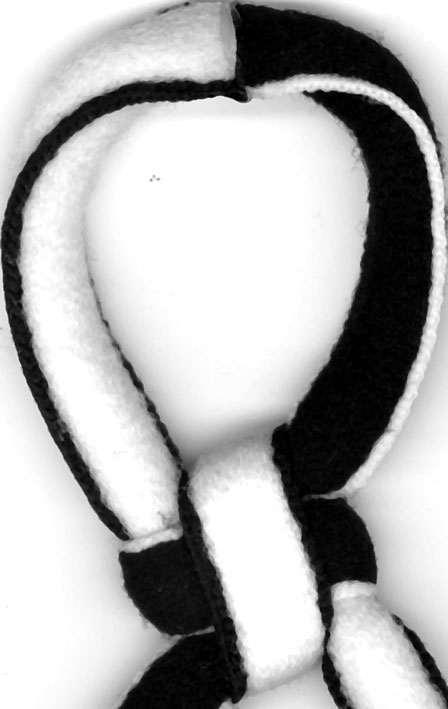
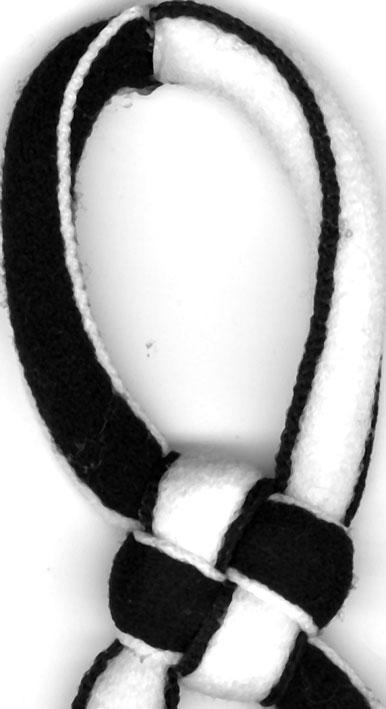
-
this is the double connection knot. it is a two strand matthew walker
-
this is the horizontal or sideways double connection knot
-
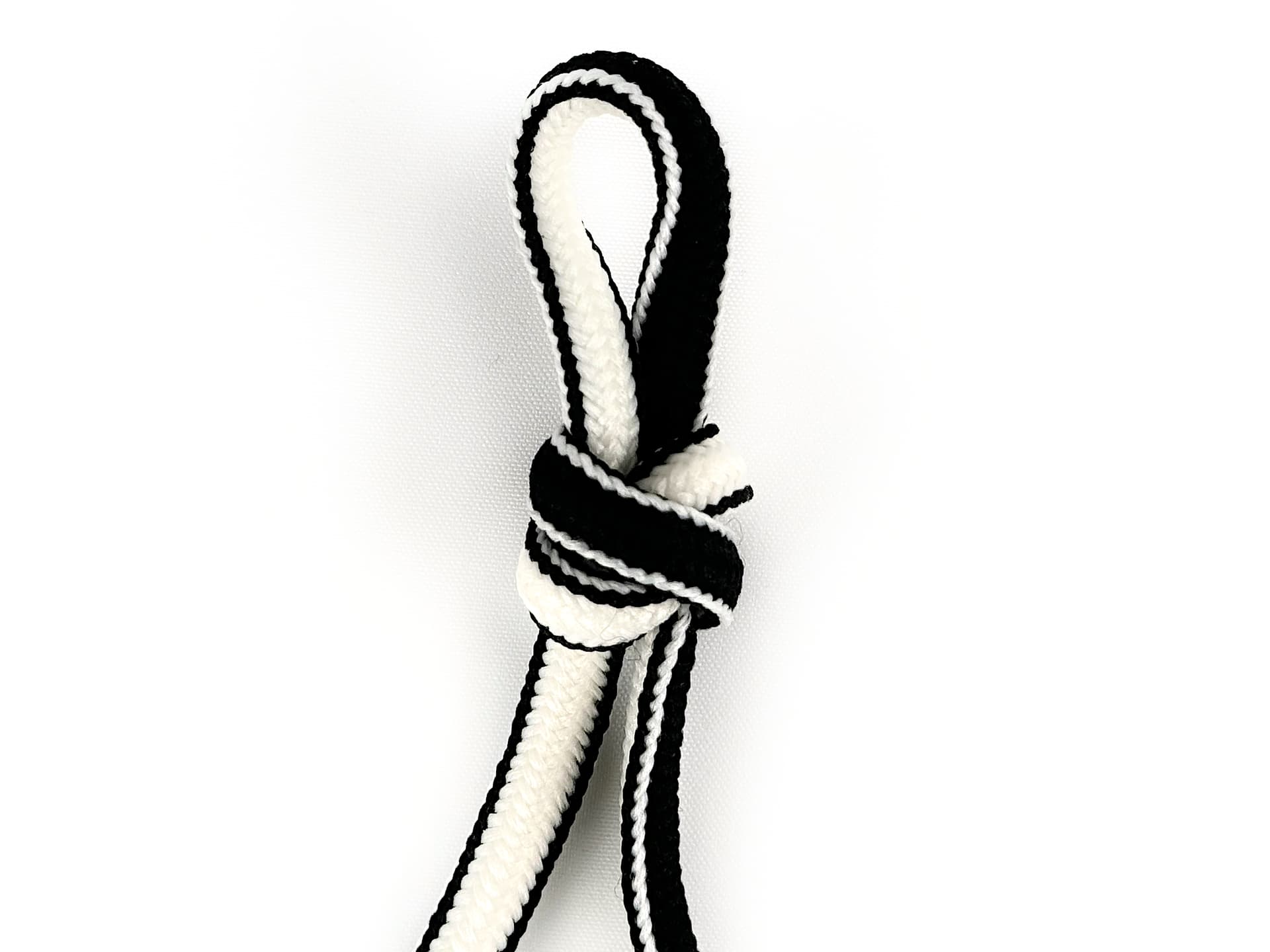
this is knot in question. in Chinese I have seen it called “十字双联结” (cross shaped double connection knot). I have also seen it called “the true cross knot” because it is a + on both sides instead of just one.
-
if we have the basic and sideways double connection knots above, then this one is the diagonal double connection knot? tilted? ++ (plus plus)?
- diagonal double connection knot
- tilted double connection knot
- true cross knot
- ++ (plus plus) [double connection] knot
- twenty connection knot (ten+ten)
- ± (plus minus) [double connection] knot
- earth (土) double connection knot
- scholar (士) double connection knot
0 voters
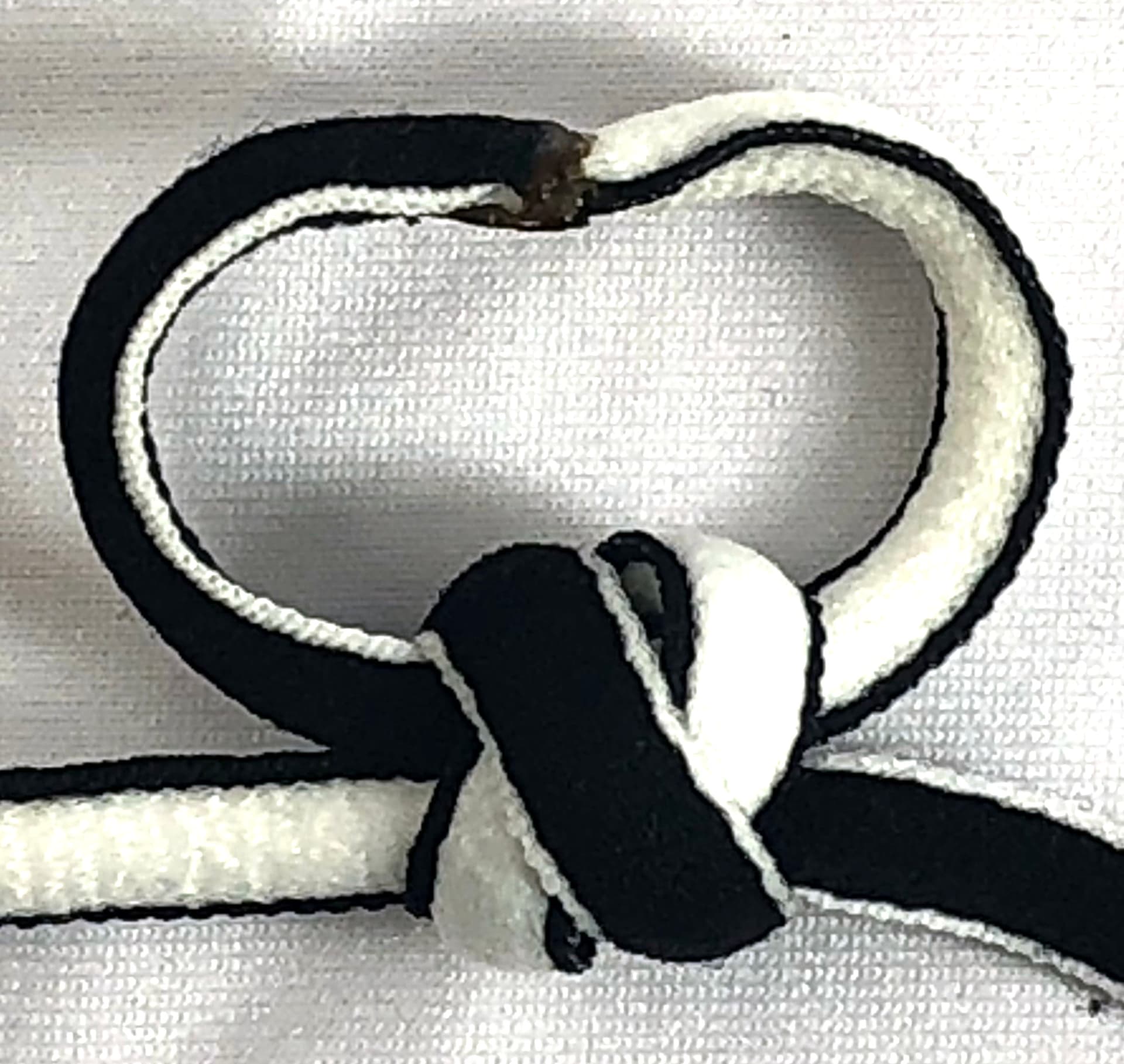
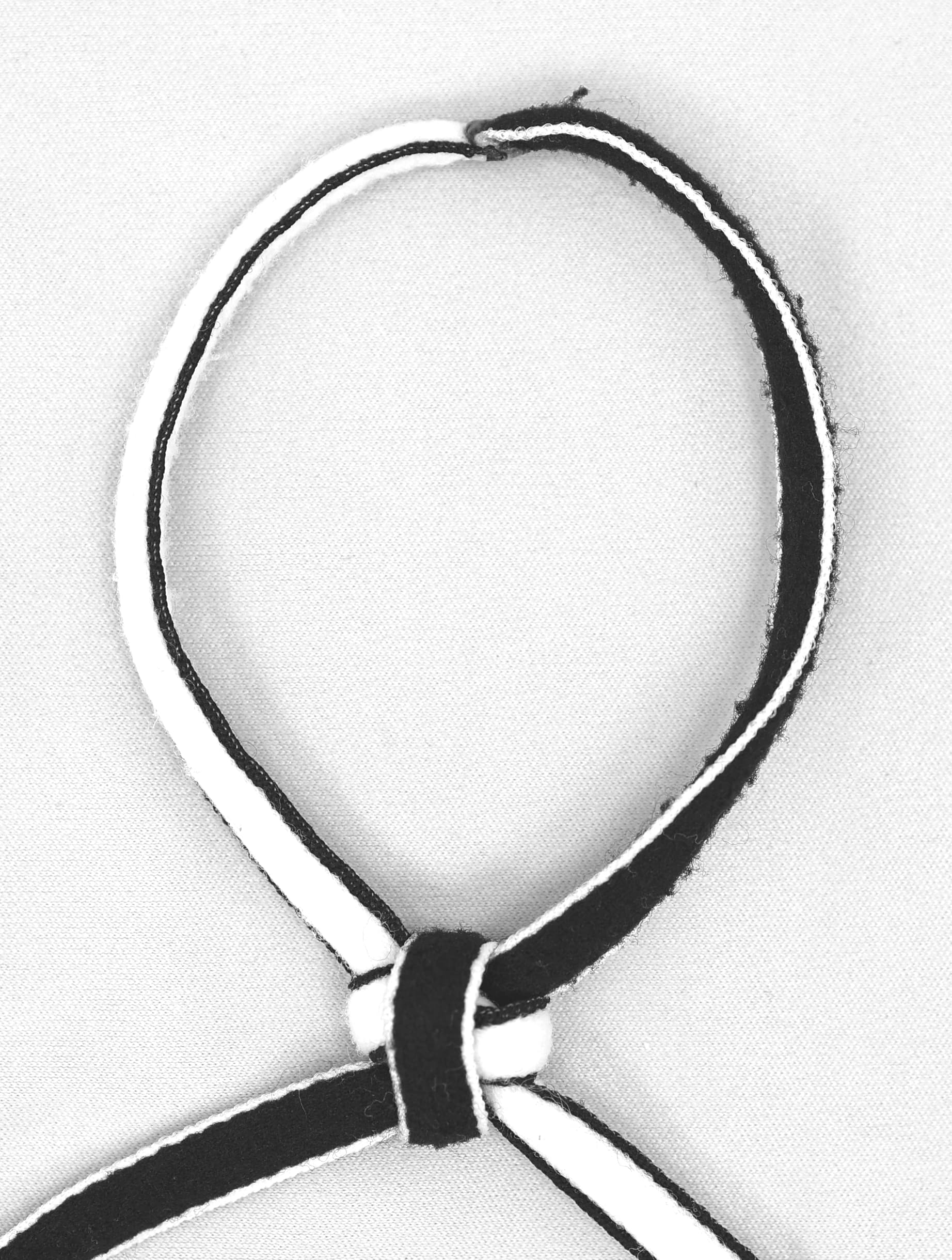
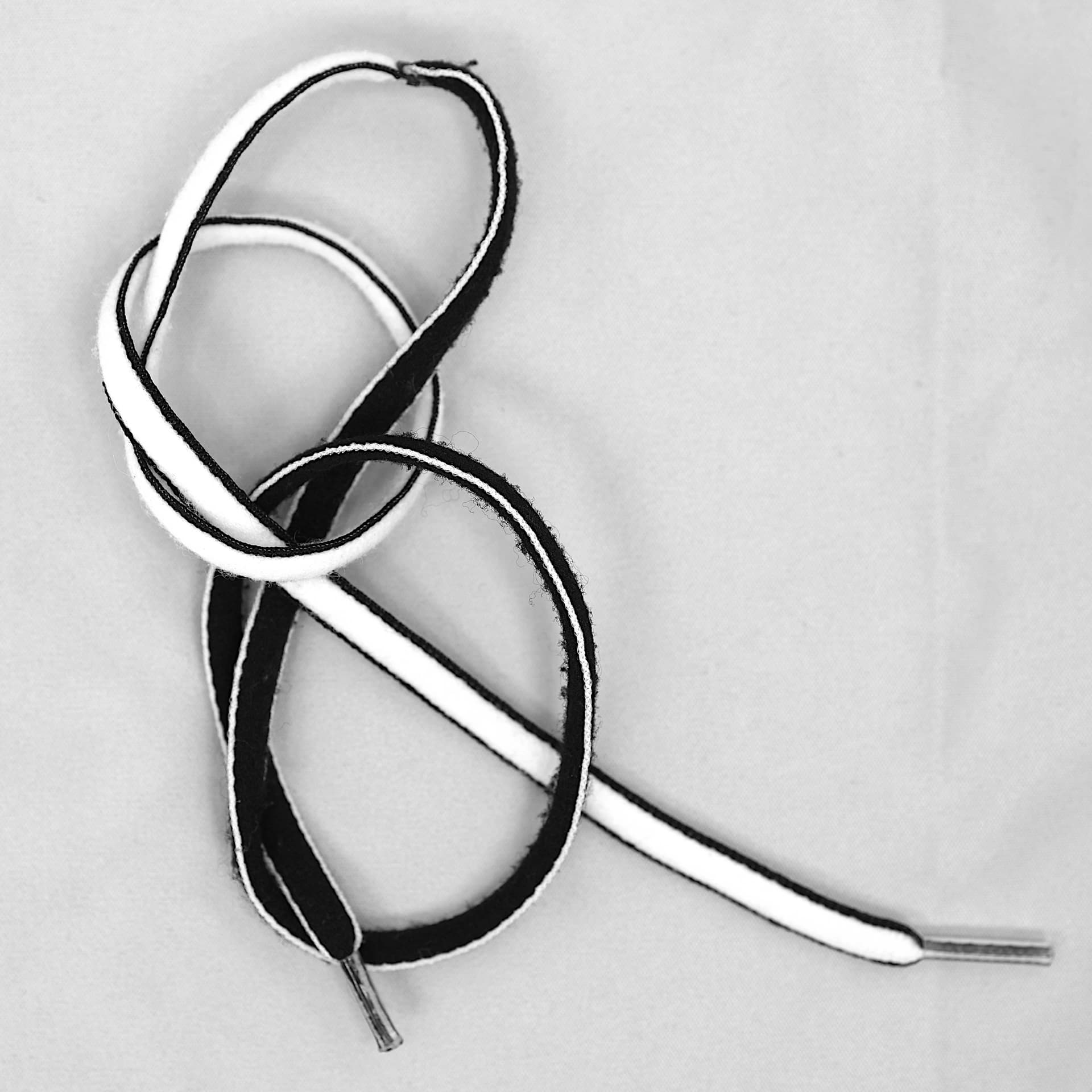
 do you reckon the faces of the knot look like a ‘division’ sign, too?