I believe Andreas with his third knot demonstration, it’s like he is stating the following… “The process of adding a collar around SP of some round turn formation, may induce significant improvement at the knot’s jamming profile”.
And then my mind goes straight to double or round turn bwl, Abok#1013, with the simplest round turn formation.
Then i recalled that the great Alan Lee tried to enlighten us with a full detail, video embedded in this very thread, but little notice was paid, maybe our minds were not ready for it yet.
https://www.youtube.com/watch?v=DWVR1wPpqN8&t=392s
So, i am focusing on Alan lee’s nipping structure with the number three, which i refer to as a crossing knot round turn formation.
Hitching from this side of ckrt , the collar is not activated and we get the round turn or double bowline.
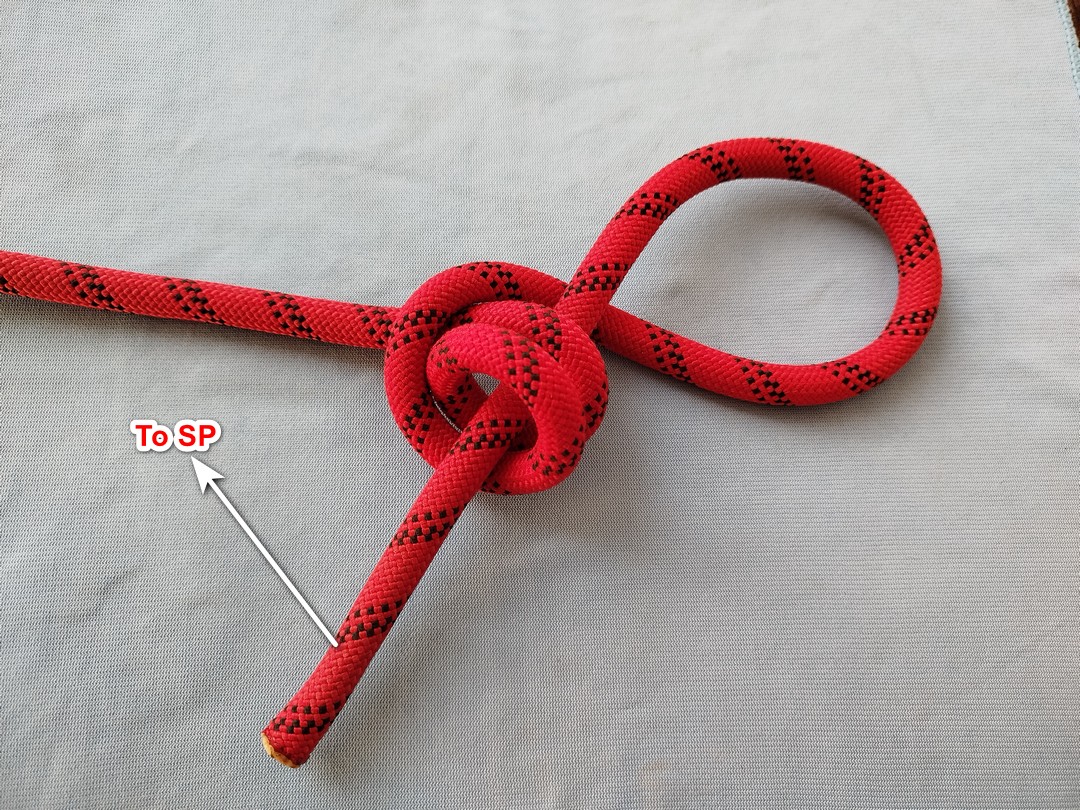
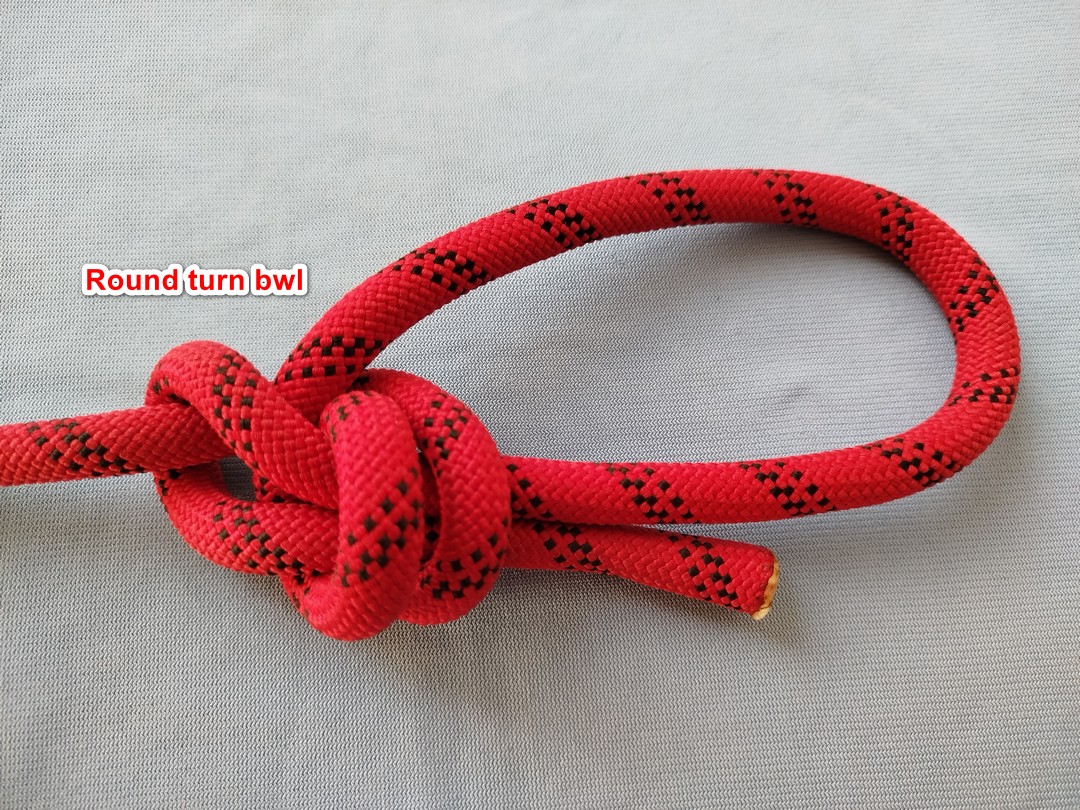
That’s all very well but hitching from the other side and aiming for the SP, then a totally new configuration emerges, with the collar now activated.
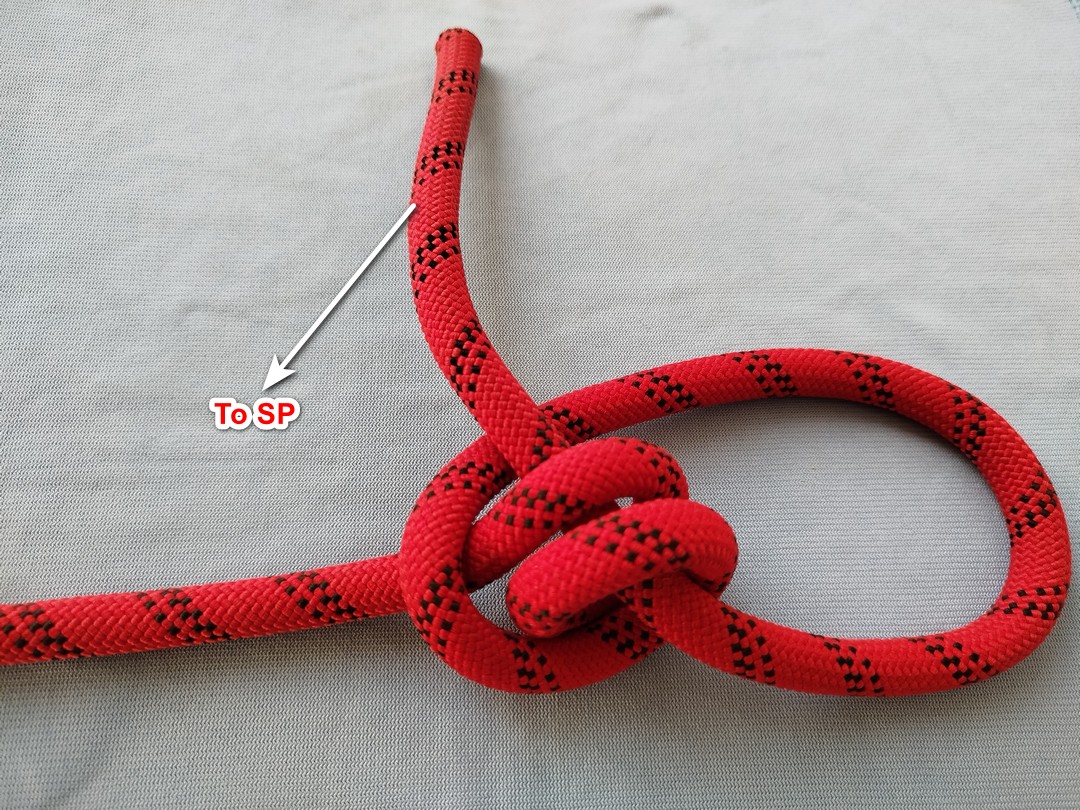
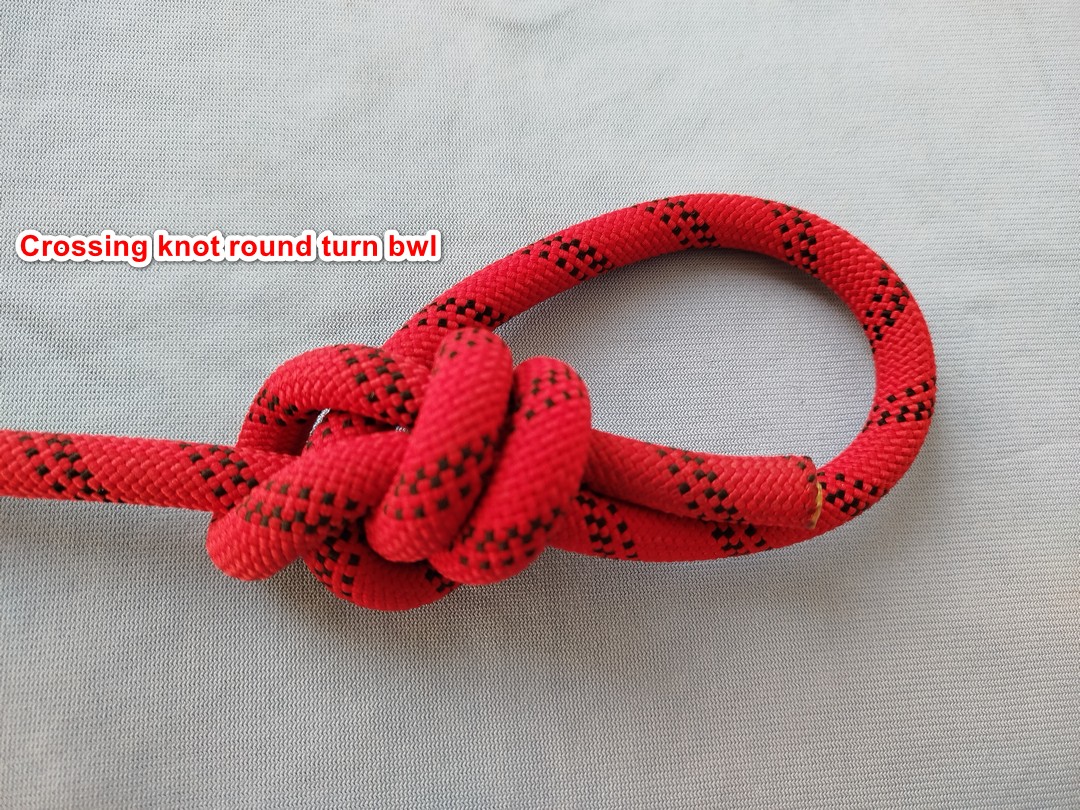
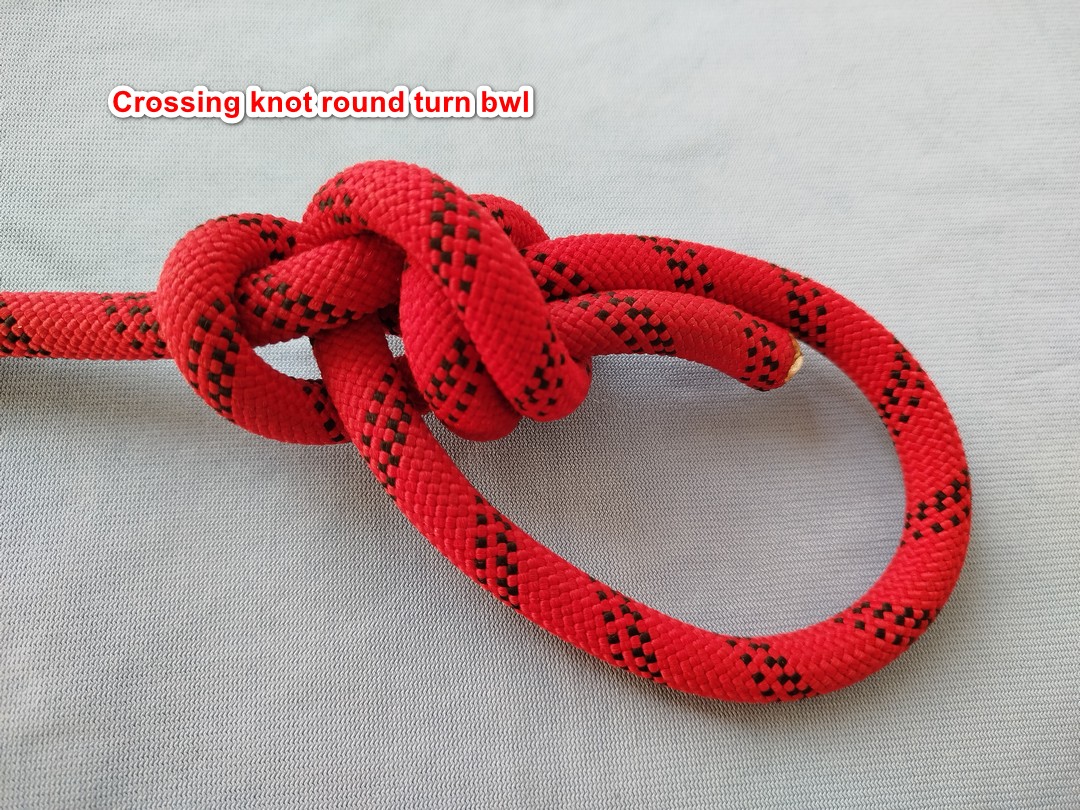
These structures appear in Alan Lee’s video at 6.23 onwards.
So, does this collar make a difference, or in other words, is the second knot better than Abok#1013, at least in terms of jam resistance?
Yes it actually does and here is why……..
- It enhances the core stability because the two nipping loops are loaded within its boundaries, despite the water-like configuration.
- Despite the fact that the SP nipping loop is loaded directly, the collar encirclement operates like a tension smoother, canceling the accumulated energy.
- Moreover, in the last configuration, the SP nipping loop is not compressing the core because it is placed just right after the collar, and not near the eye as in round turn bowline.(recall also f8 forms for comparison).
- The out going eye leg, nipping loop continuation (collar), is not loaded directly (as in 1013), being also subjected to SP’s severe compression.
Therefore, for every loading value in [0, MBS] interval, i believe the CKRT bwl is more releasable than the conventional round turn bwl.