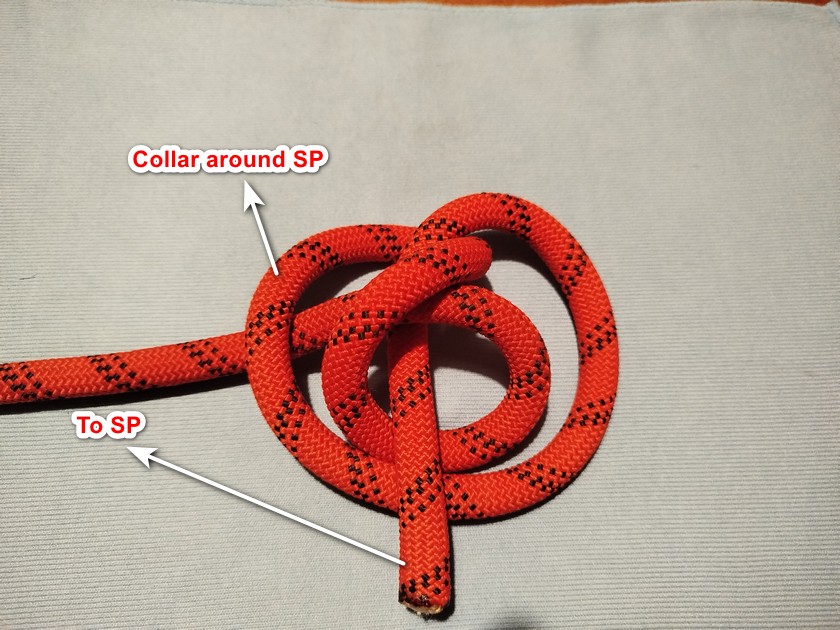
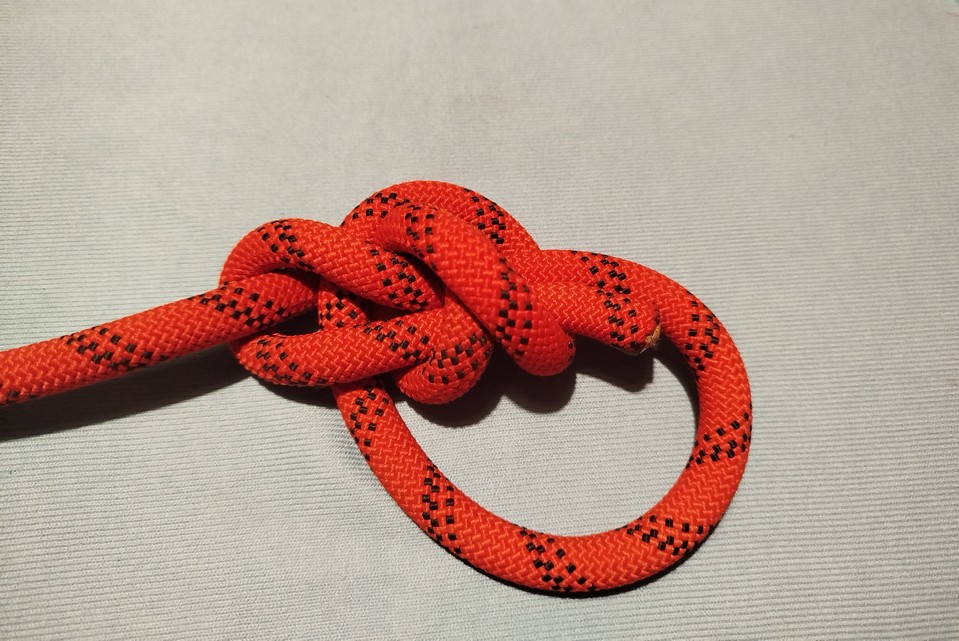
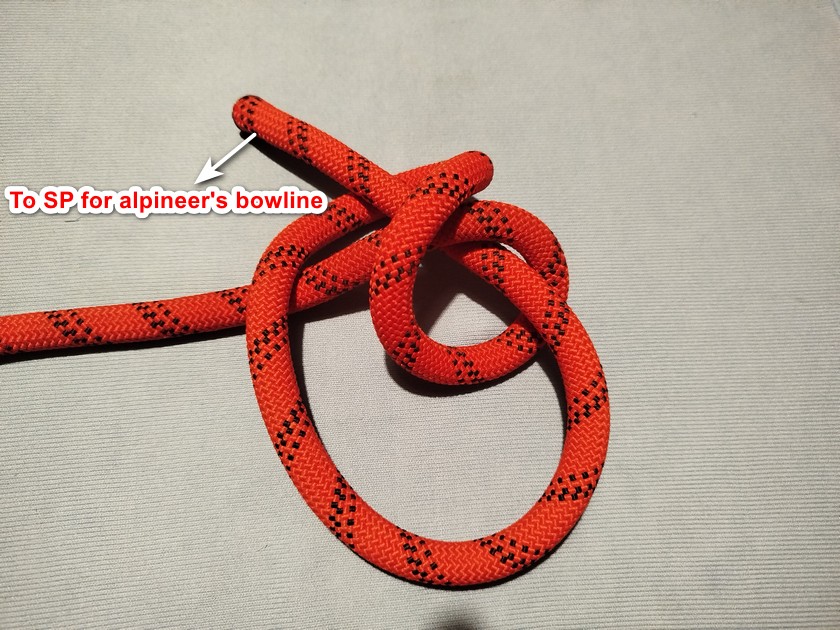
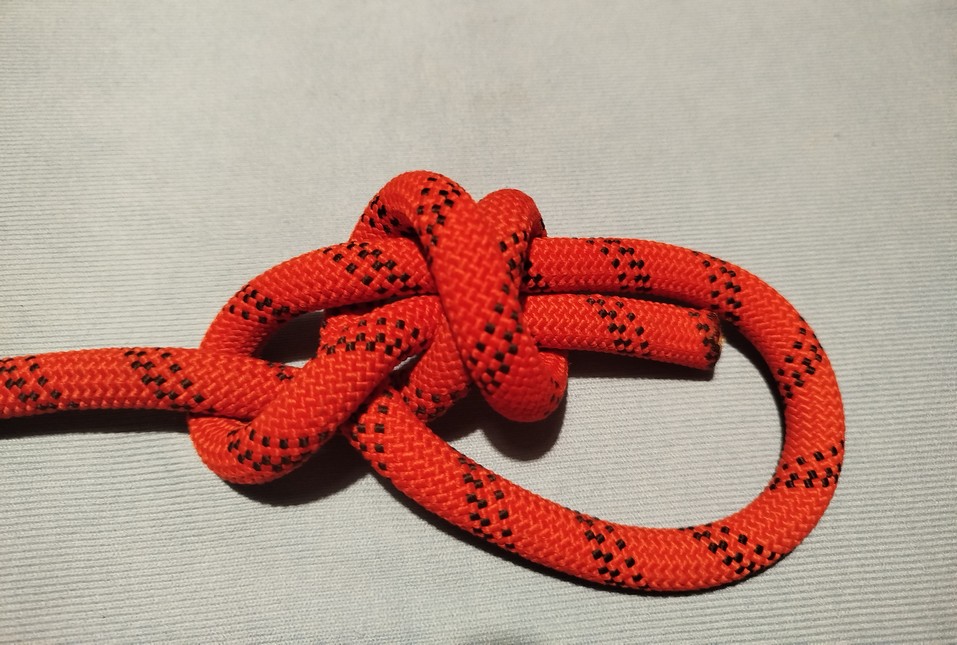
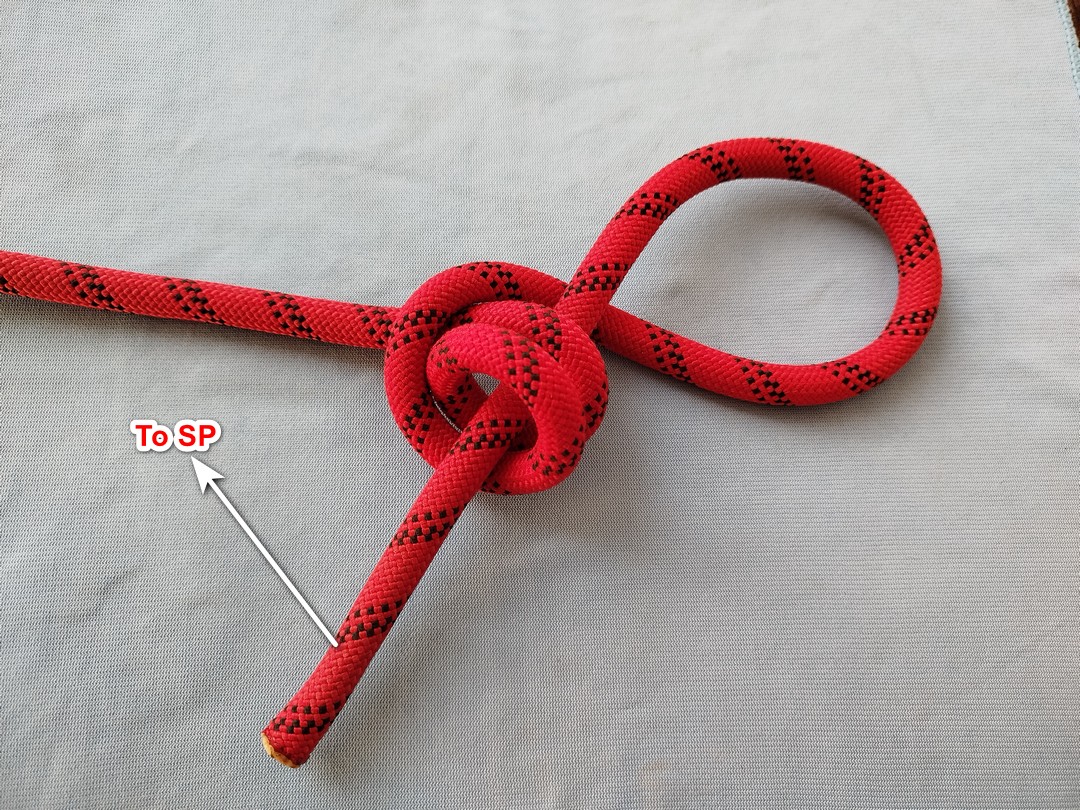
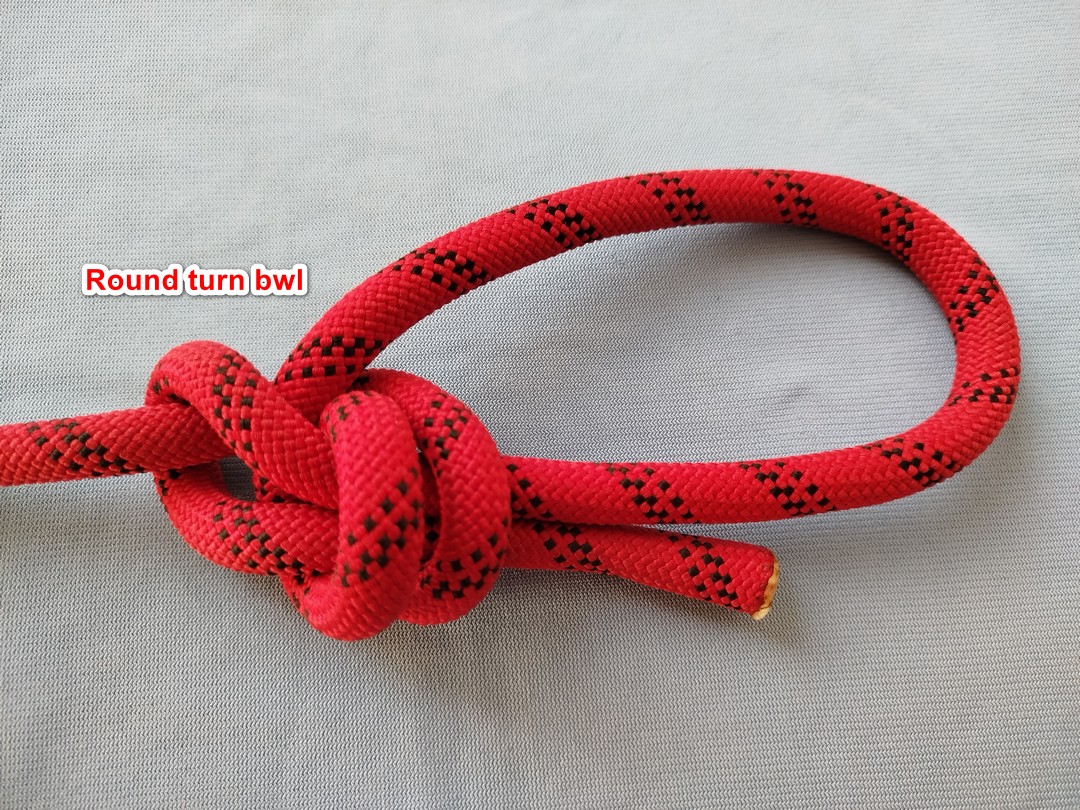
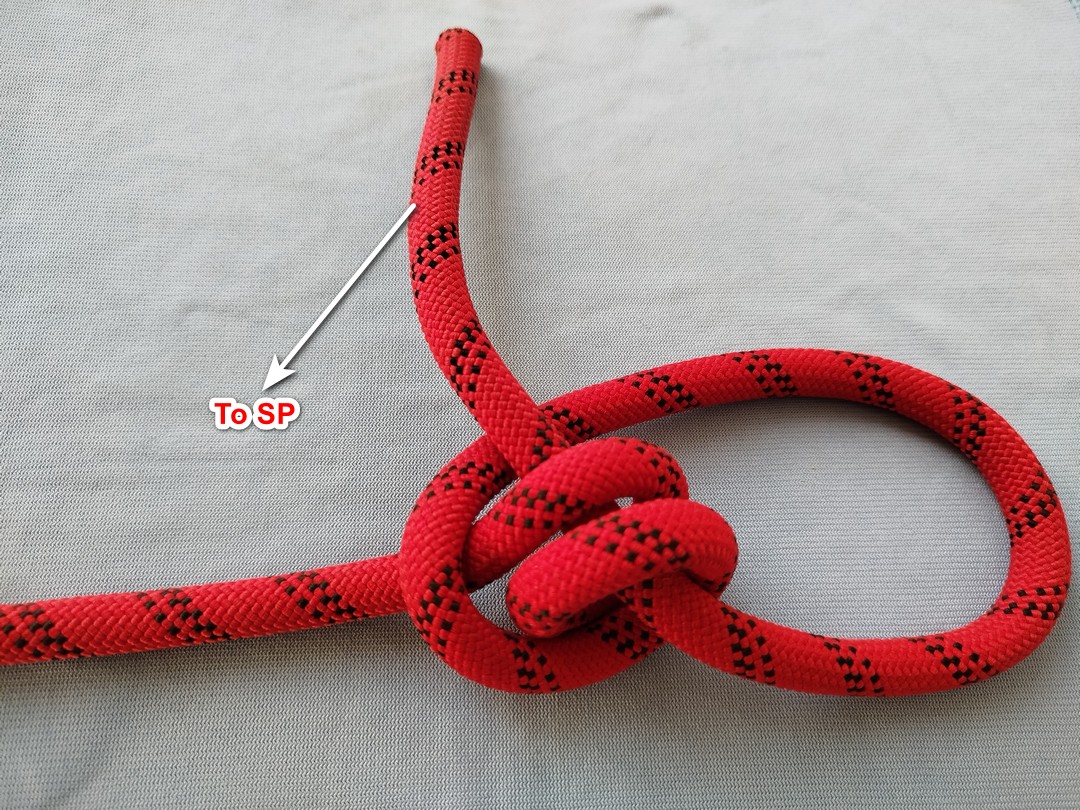
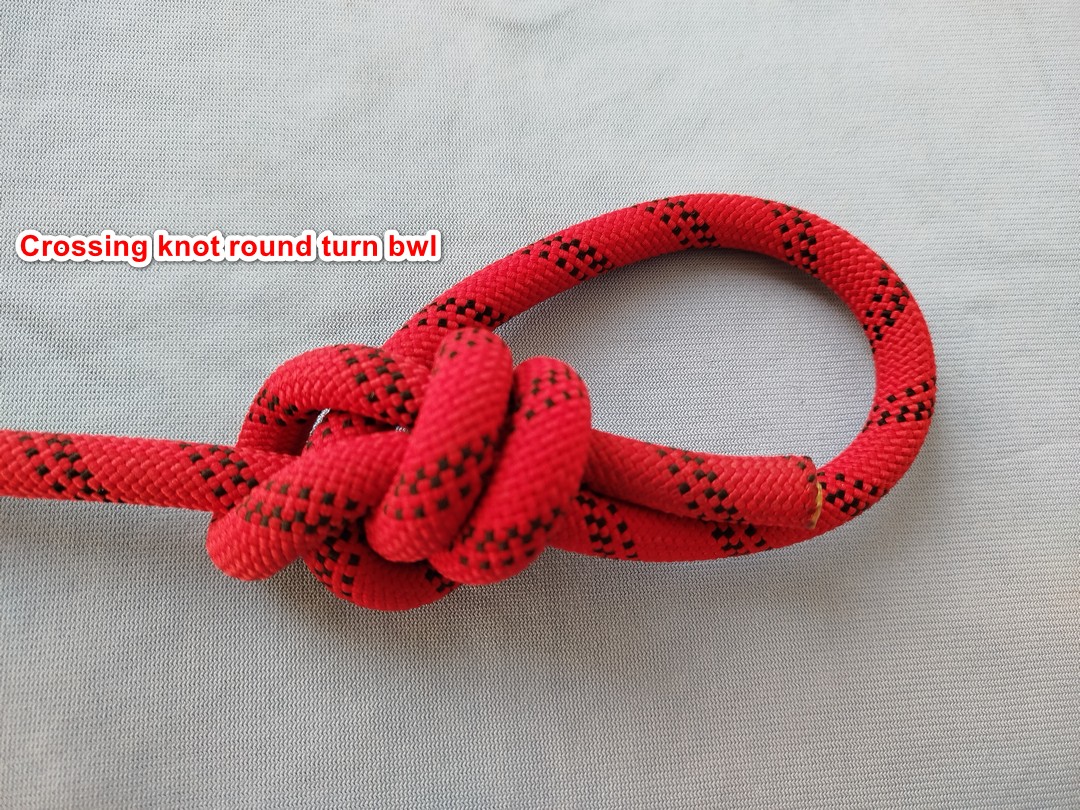
Crossing knot, a foundamental knotting tool to build jam-proof knots

I would like to direct attention to a special knot that has been formerly presented in this forum, for which i believe that has rather flown under most people’s radar.

We usually try to build knots with more sophisticated collar structures, or additional lines of defence against slippage in the nipping level, for the sake of enhanced security, disregarding many times to analyze simpler foundamental structures.

If i’m not mistaken, this is the first official appereance of the knot, although i surmise that many others have tied it, but few have actually put themselves in a position to understand its working principle and acknowledge its value.

https://discourse.igkt.net/t/figure-8-sort-of-loop-wonder-what-its-name-is-and-if-its-stable/7643

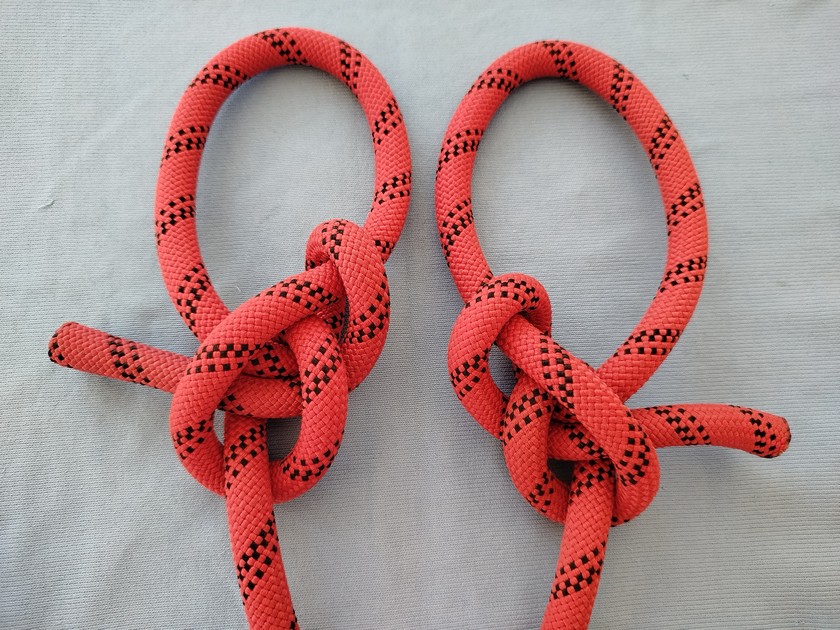
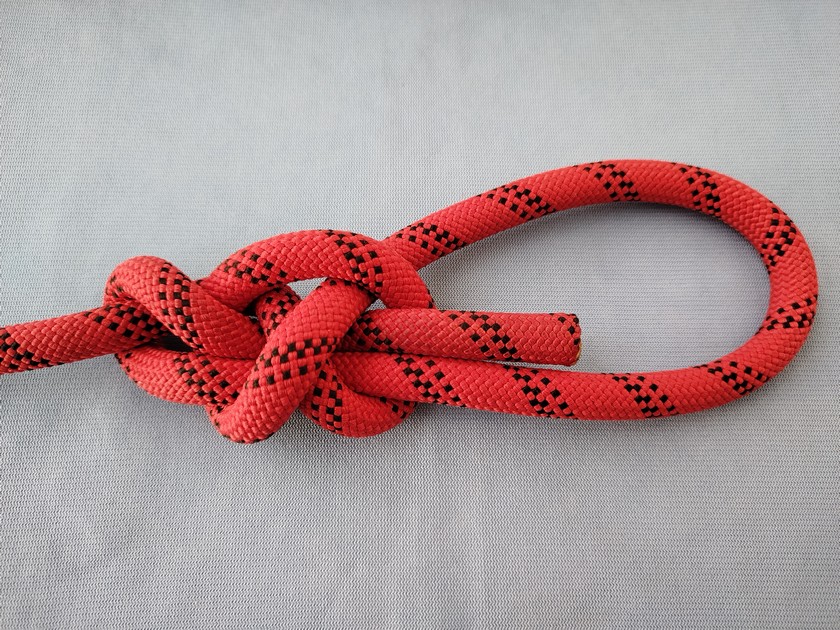
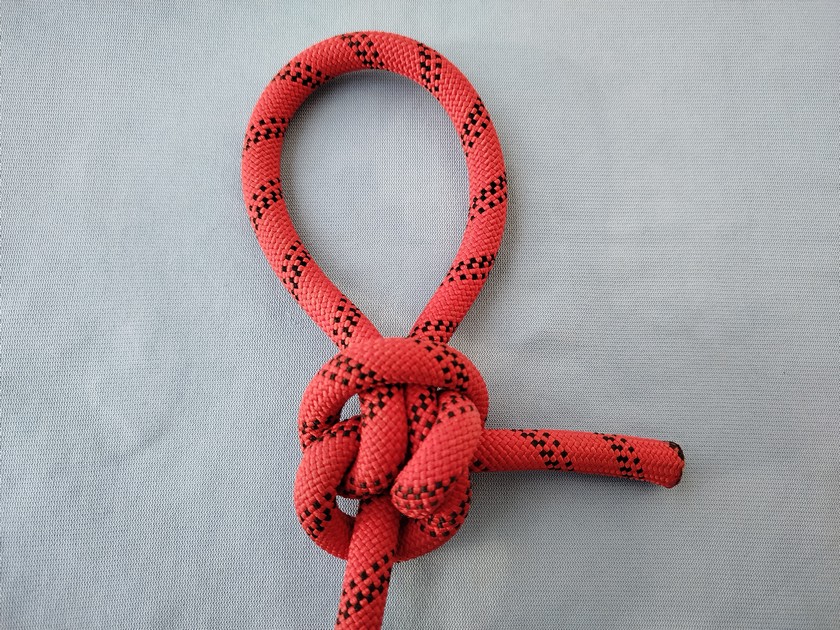
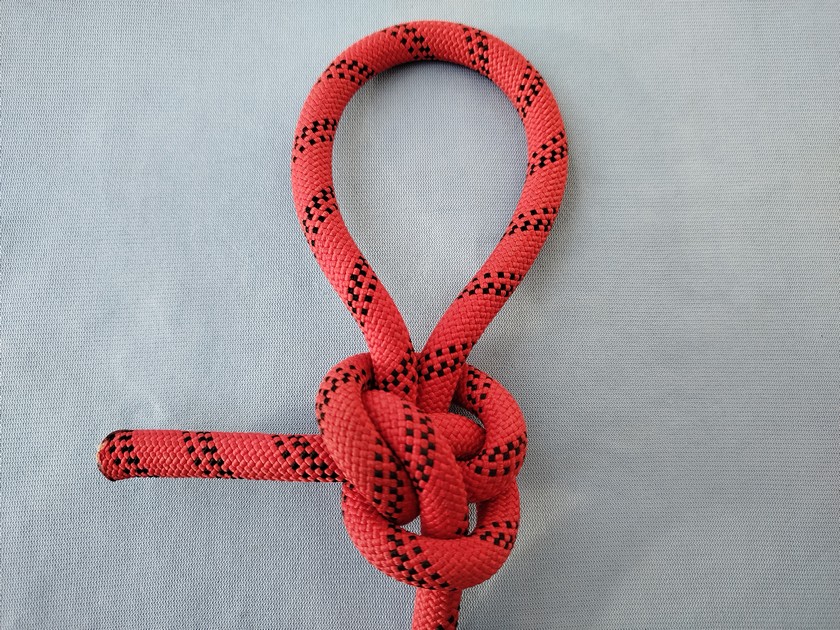
So, this knot by Alana, is a specialised form of an anti-bowline that may stand worthy alongside the king of knots in my opinion.

Note the severe constriction effect of SP’s perpendicular shear force on the first returning line, subjecting it to a U(!!!) shape curving, generating also the most favourable conditions for collar decompression (more stress=more slack for the returning collar or the crossing knot collar by extension).

I can’t think of anything else more bowlinesque than this property, which renders the knot jam proof right up to the rupture point, with a relatively higher level of security than the conventional bowline.

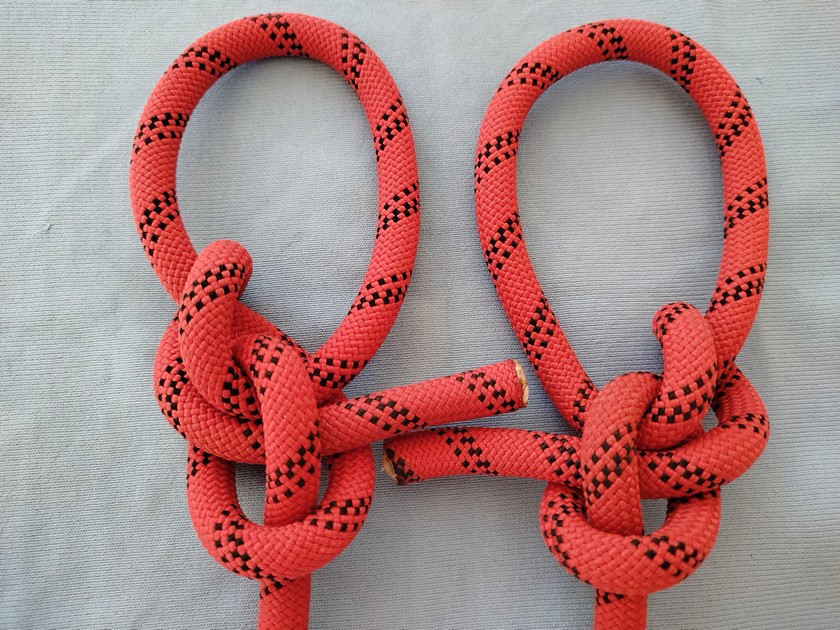
Attached images, also include the left-handed version.
1 Like

thanks for the mention, Kost_greg, and the explanatory notes which clarify the subject for me :blush:

i had been trying to tie one of these

and tied the anti-bowline instead :spaghetti:

1 Like

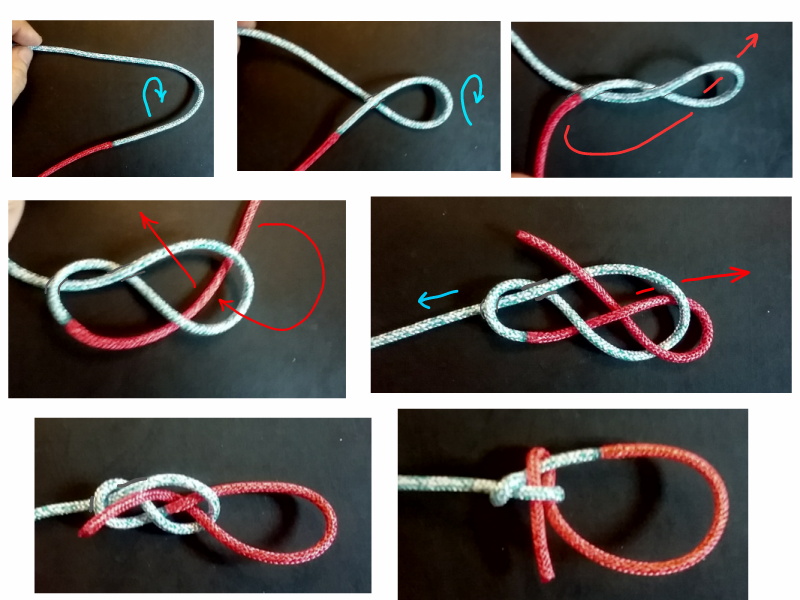
Thank you Alana for the additional rapid tying method demonstration, of course it is more than obvious that there would be a rapid tying method tailored to marlin spike hitch (as there is for conventional bowline and anti-bowline).

Some potential criticizers would have given prominence to the three time twisted nipping component as a complex maneuver(as part of the depicted tying method), or even that the core of your finished knot leaves a rather larger footprint than the standard 1010.

You may also counter with the increased level of security of anti-knots, achieving also a very releasable core at the same time.

You see, a simple nipping loop, is a vice/clamp-like nipping system that constricts the returning legs like there is no tomorrow :slightly_smiling_face: , while the crossing knot with the collar component (i usually refer to it as a bight restrainer or tension smoother), somehow cancels all the accumulated energy generated by the SP, nipping the bight legs up to a certain yet adequate level of constriction :smiling_face_with_sunglasses: .

Please, do not mix up this knot with figure eight sort of loops ,it has nothing to do with it, this is serious bowline stuff.

Of course if you wish to make it more secure you can always add a nipping loop, in a munter hitch like fashion, with absolutely no effect of the core’s pliability as i have shown in previous replies.

1 Like

Lark’s head bowline variations

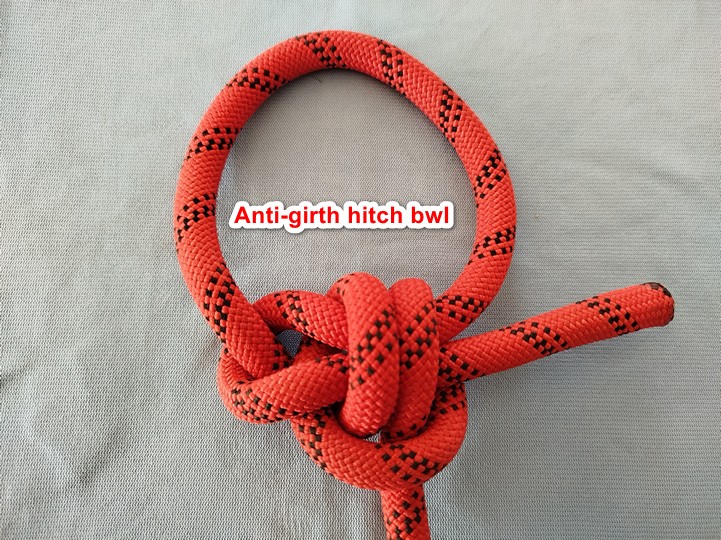
Choosing a right-handed girth hitch as a nipping component, whose Spart is the crossing knot continuation, i shall form all potential bowline configurations, using just a returning bight stabilizator.Actually, there are four, but those of the transposed girth hitch structure shoud be also investigated, hence, eight in total.

My goal, is to investigate which one of the eight meets my security and jam resistance standards.

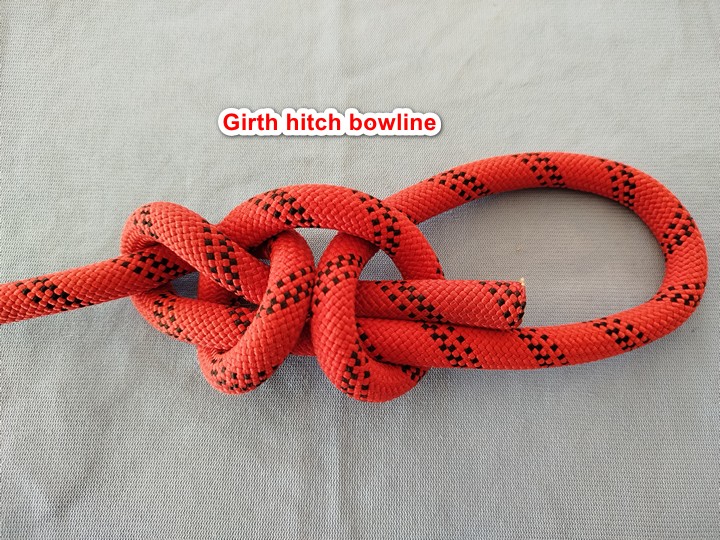
The best known structure is the so called girth hitch bowline shown below.

The water-like method by which this knot is formed, does not actually bind as effectively as i would have expected the two half hitches, despite the pliability of the core.Of course, janusian stability methods, like the mirrored bwl, have been developed which require more complex returning structures.

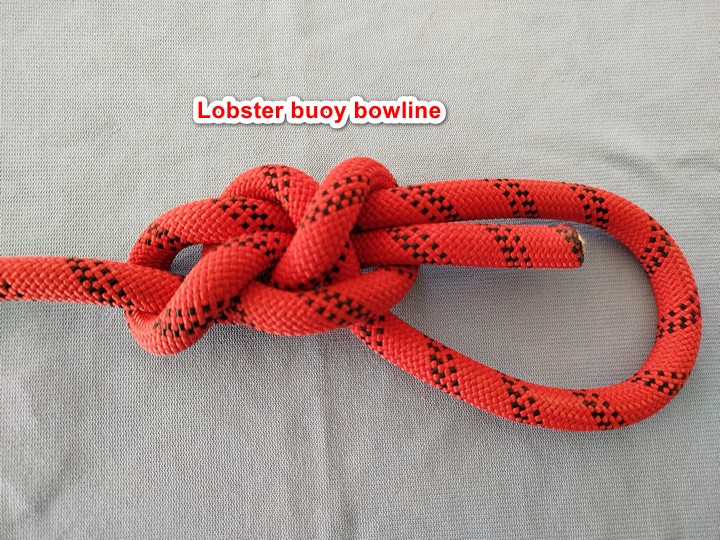
Alternatively, the more stable second form which i specify as “Lobster buoy bwl” does not really convince me of being releasable at heavy loading conditions.

Those crossing Sp lines would be very challenging to decompress after heavy strain, making the access to the girth hitch collar, a hard one.

Let’s move to the third water-like anti-topology, where things are getting much better from a core stability perspective, but, IMO, it develops two issues.

  1. The core is not loaded symmetrically, causing deformation issues at extreme loadings.
  2. A jamming effect is more than possible because of the double half hitch Cossack geometry.

The most promising bwl structure is the next one which follows Alana’s model, with two half hitches that are loaded symmetrically within the boundaries of a now releasable girth collar and a pliable core by extension.

Of course, the transposed bwl forms have to be investigated, but i doubt that any of those outclasses the last structure.

1 Like

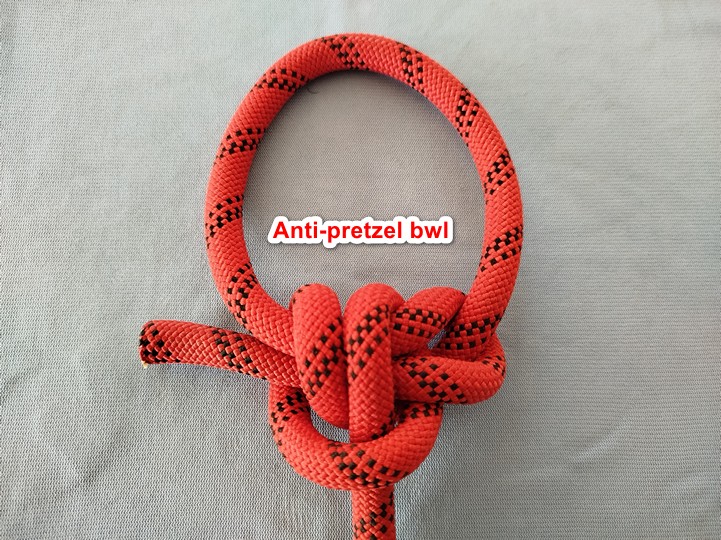
The conventional pretzel bowline shown below, which comes from the transposed girth hitch component of previous reply, appears to be the only knot structure (from all 4) with some knotting interest, however, the issue of the challenging decompression, still remains active at heavy loading conditions.

This time the core features a reverse SP line crossing, which can’t outperform the pliability of the anti-topology shown at the last structure of previous reply.

Nonetheless, there is actually a decent method of stabilising a transposed girth hitch, with a returning loop in dragonised form.

This knot can be understood as a perfect example that makes the most of every single nipping structure component, in order to gain constriction for the returning loop (there are actually 6 constriction parts in the core).

It somehow responds to the criticism, that a bight or a loop, is not considered to be a sufficient stabilisation knot structure.

Cool to be taken along like this. Great format.

From the last shown knot, it is maybe close enough to xarax’ asymmetrical bull hitch as a nipping base.

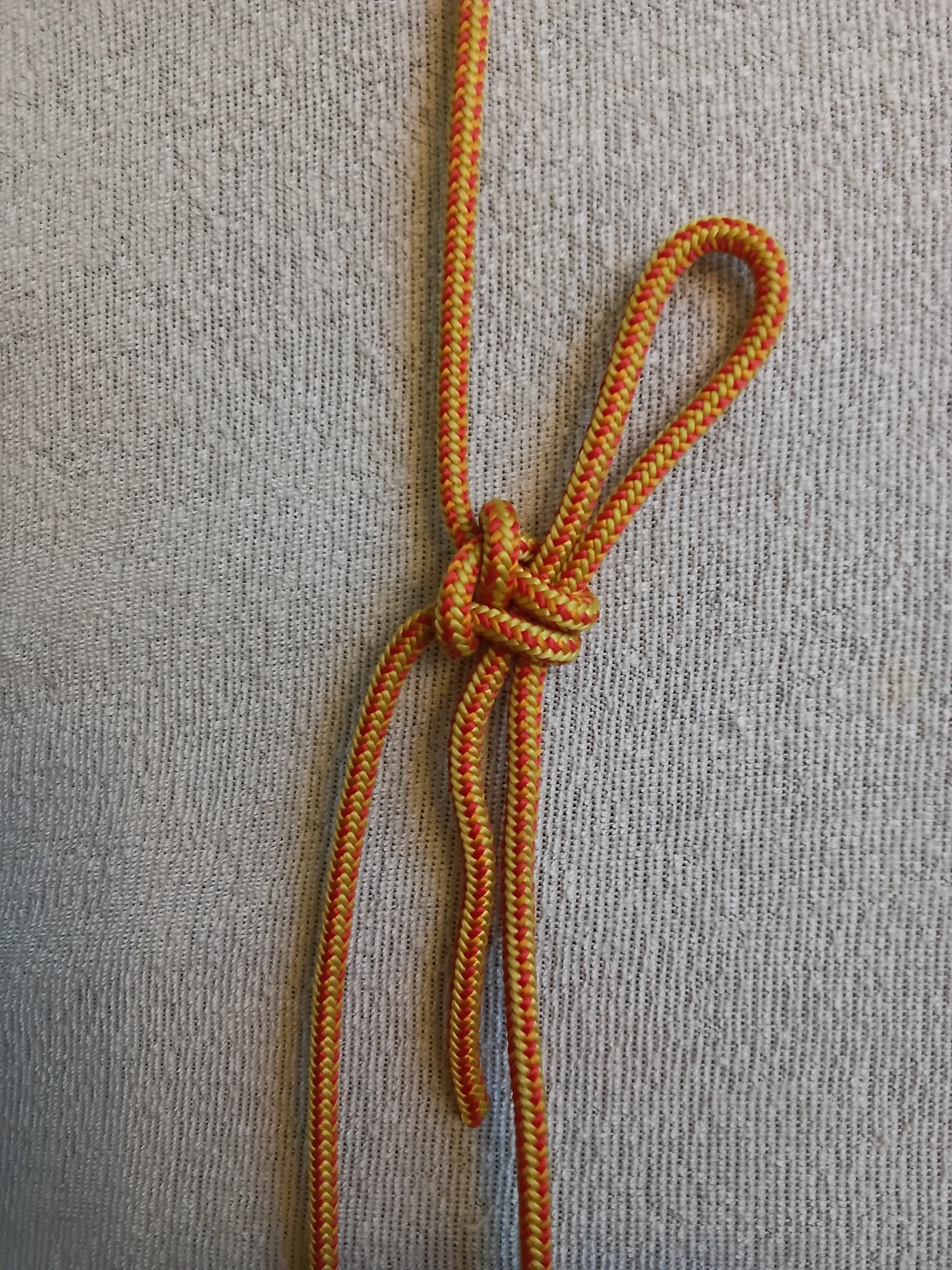
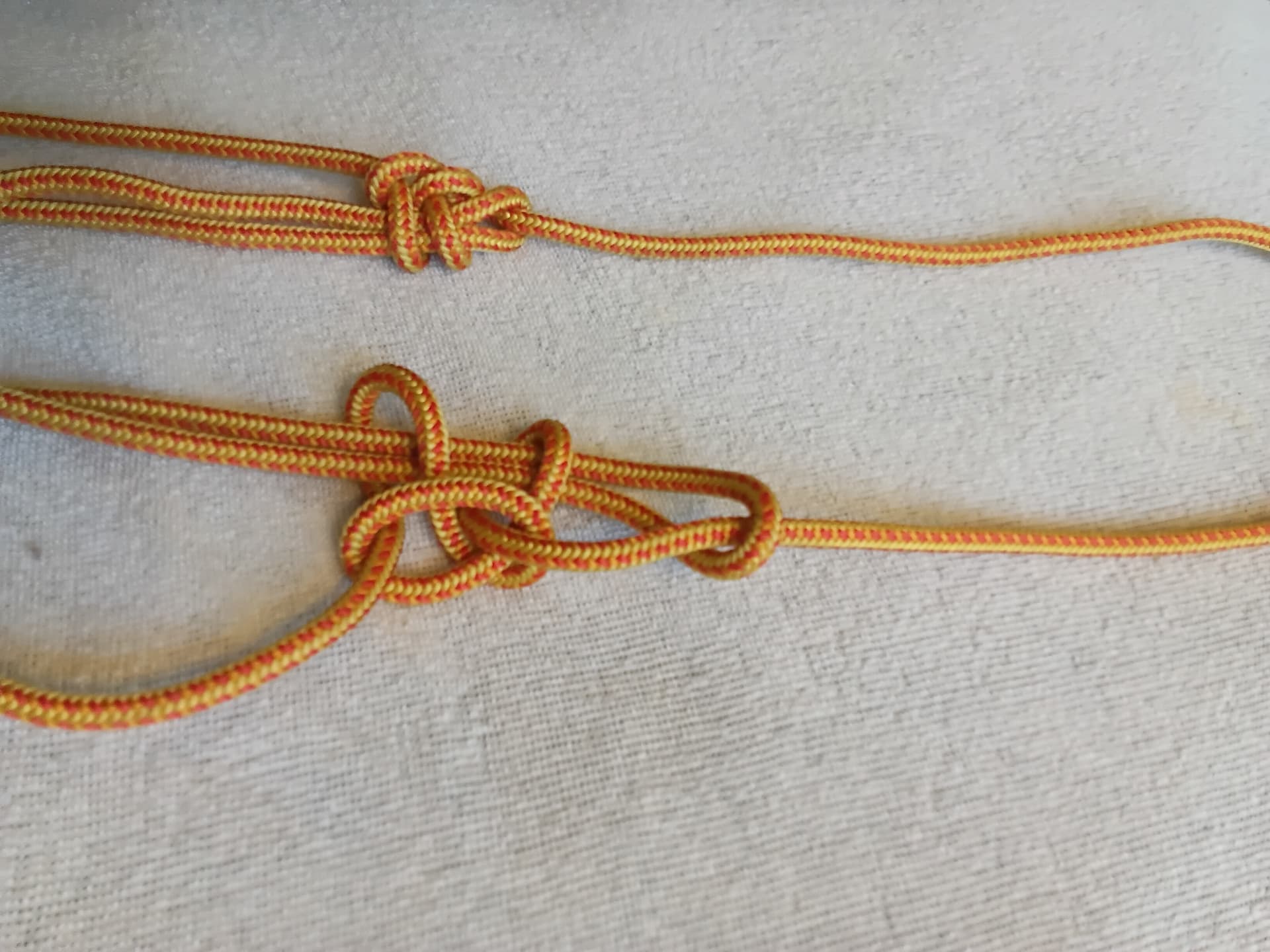
I used it first with an adjustable slipped loop. Pic 1

And it makes a neat always decompressible eye knot with a collar around th Standing end. Pic 2

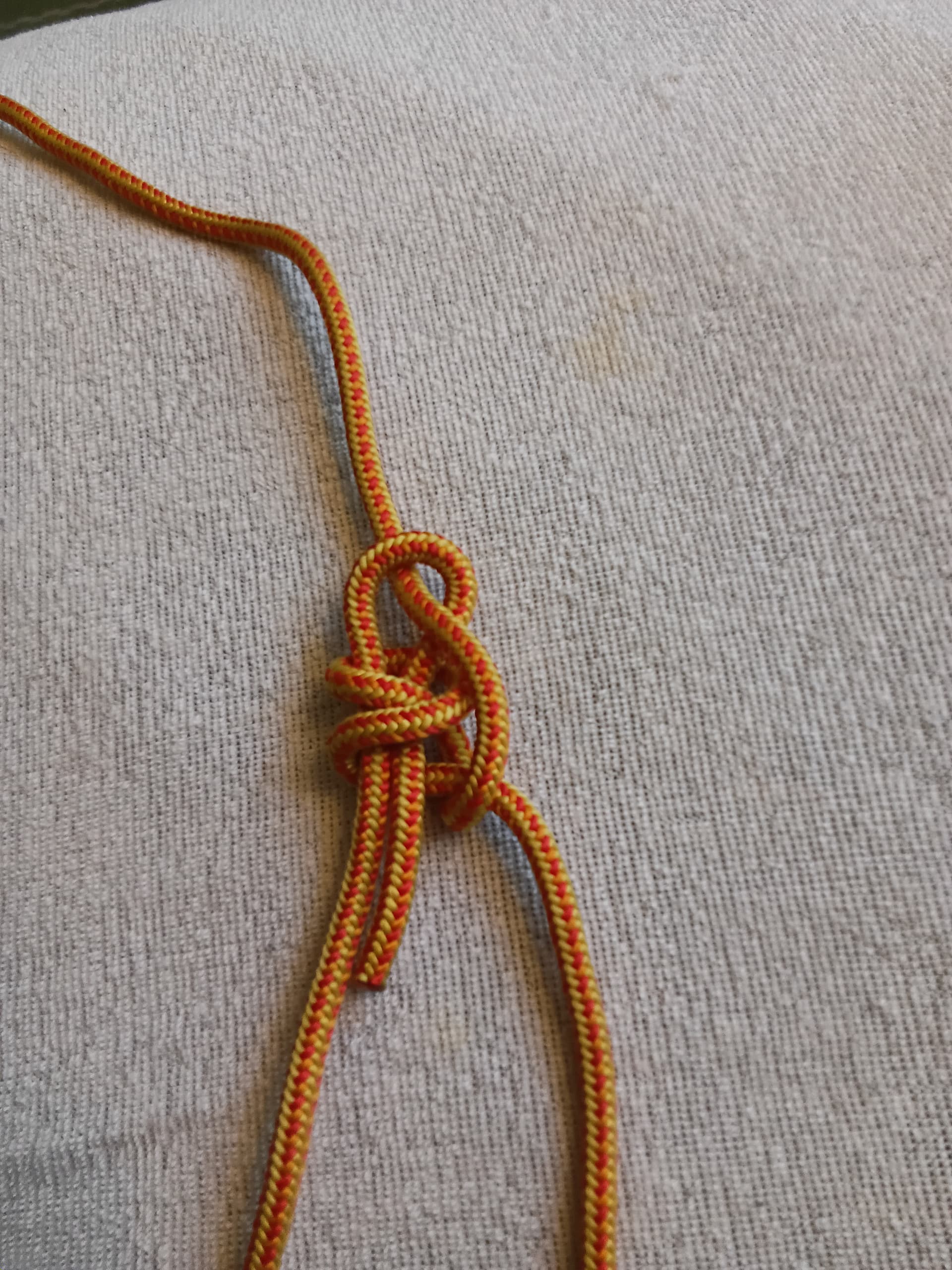
And reduced to knot in pic 3. Which i would leave for you to judge )

1 Like

Thank you Andreas for weighing in at this thread also very glad to see you interact with the new forum.I’m very thankful for the loose images you offer, because i usuallly have a hard time decoding cinched knots.

Starting with not so good news first, with respect to your two first knots, i just fail to understand, what’s the corelation between a transposed girth hitch nip, used in my previous reply, with your dual slipped overhand nip formed in clove orientation.I know that you are counting on the collar which is part of the SP continuation, nonetheless it still remains a volatile combination for the jamming profile at least for the closest to SP, part of the core.This nip’s complexity and the overhands (even slipped) pushes me back with both these knots.

As for the good word, i believe your third knot gears towards two individuals in the first place , of course then to all others.

Initially you are somehow responding to me about the challenging decompression of the pretzel bowline shown in my previous reply, showing me a core with crossing SP lines which is literally more manageable than the pretzel.I’m attaching an image with your nip, WE hitched, for a clear vision of what we’re talking about.

Mind you, this is not the same nipping structure with a transposed girth hitch.All one has to do is to capture the SP and come back the same way, and here is the complete and cinched form of your bowline.

That brings me to the second person(Alpineer) who should fiddle with and analyze this knot.

I’ve noticed that if one inserts WE from the other side of your nip, then Alpineer’s bwl is created, a really strong but hardly releasable knot in heavy strain conditions.

Well, it comes to our attention, that hitching from the other side of alp’s nip, like you did, in water-like fashion (means going for SP, not for out-going eye leg capture), actually shapes a collar formation around SP,(first image) which is very crucial for the jamming profile (the collar cinches directly only by the force of the out-going eye leg which is not able to outperform SP’s perpendicular furious pressure).

You see i’m really very up for this knot :smiling_face_with_sunglasses: , but you have to convince others too, for this’“ not so ordinary” nipping structure.

Another paradigm, where just a slight change towards some minimal complexity, produces way better results than Alp’s knot, strictly in the jam resistance field.

I believe Andreas with his third knot demonstration, it’s like he is stating the following… “The process of adding a collar around SP of some round turn formation, may induce significant improvement at the knot’s jamming profile”.

And then my mind goes straight to double or round turn bwl, Abok#1013, with the simplest round turn formation.

Then i recalled that the great Alan Lee tried to enlighten us with a full detail, video embedded in this very thread, but little notice was paid, maybe our minds were not ready for it yet.

https://www.youtube.com/watch?v=DWVR1wPpqN8&t=392s

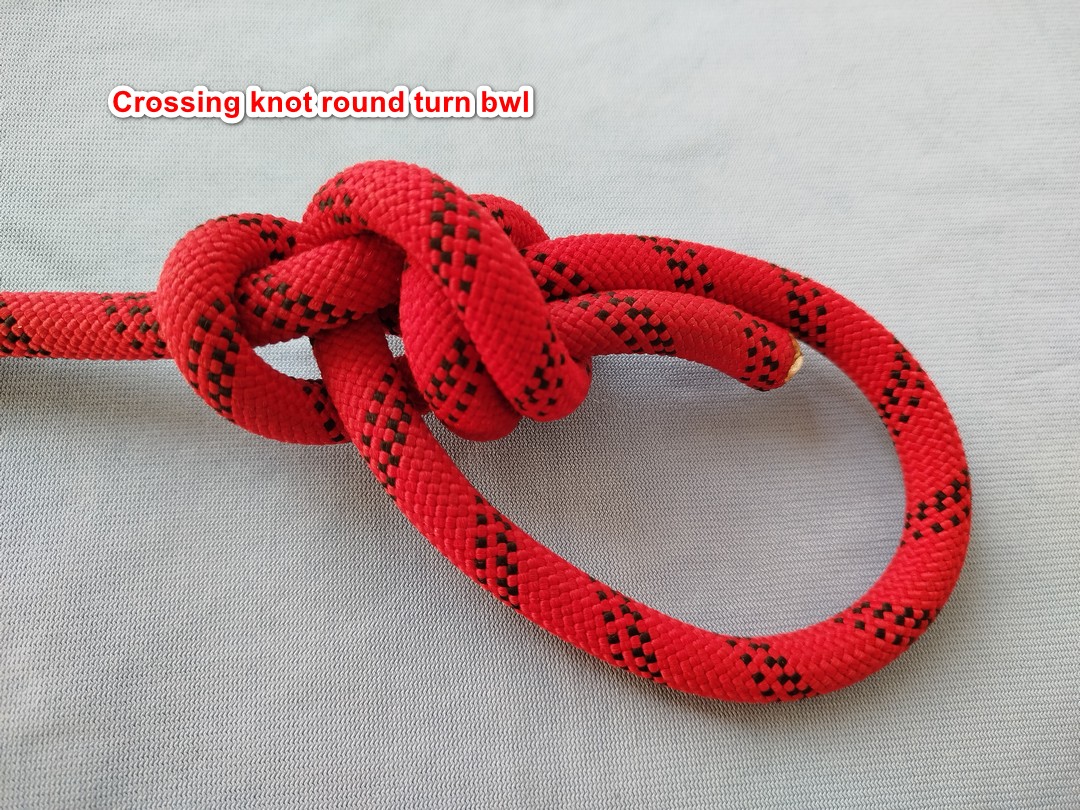
So, i am focusing on Alan lee’s nipping structure with the number three, which i refer to as a crossing knot round turn formation.

Hitching from this side of ckrt , the collar is not activated and we get the round turn or double bowline.

That’s all very well but hitching from the other side and aiming for the SP, then a totally new configuration emerges, with the collar now activated.

These structures appear in Alan Lee’s video at 6.23 onwards.

So, does this collar make a difference, or in other words, is the second knot better than Abok#1013, at least in terms of jam resistance?

Yes it actually does and here is why……..

  1. It enhances the core stability because the two nipping loops are loaded within its boundaries, despite the water-like configuration.
  2. Despite the fact that the SP nipping loop is loaded directly, the collar encirclement operates like a tension smoother, canceling the accumulated energy.
  3. Moreover, in the last configuration, the SP nipping loop is not compressing the core because it is placed just right after the collar, and not near the eye as in round turn bowline.(recall also f8 forms for comparison).
  4. The out going eye leg, nipping loop continuation (collar), is not loaded directly (as in 1013), being also subjected to SP’s severe compression.

Therefore, for every loading value in [0, MBS] interval, i believe the CKRT bwl is more releasable than the conventional round turn bwl.

Hi Kostas, you picked up the thread ) i have some tieing to do before replying.
Just quickly and indeed crossing the original topic. You might underestimate the functioning of the collar around the outgoing leg of my pic 1 and 2 knots, which is clamping on itself. I did not count on it, but pulled )

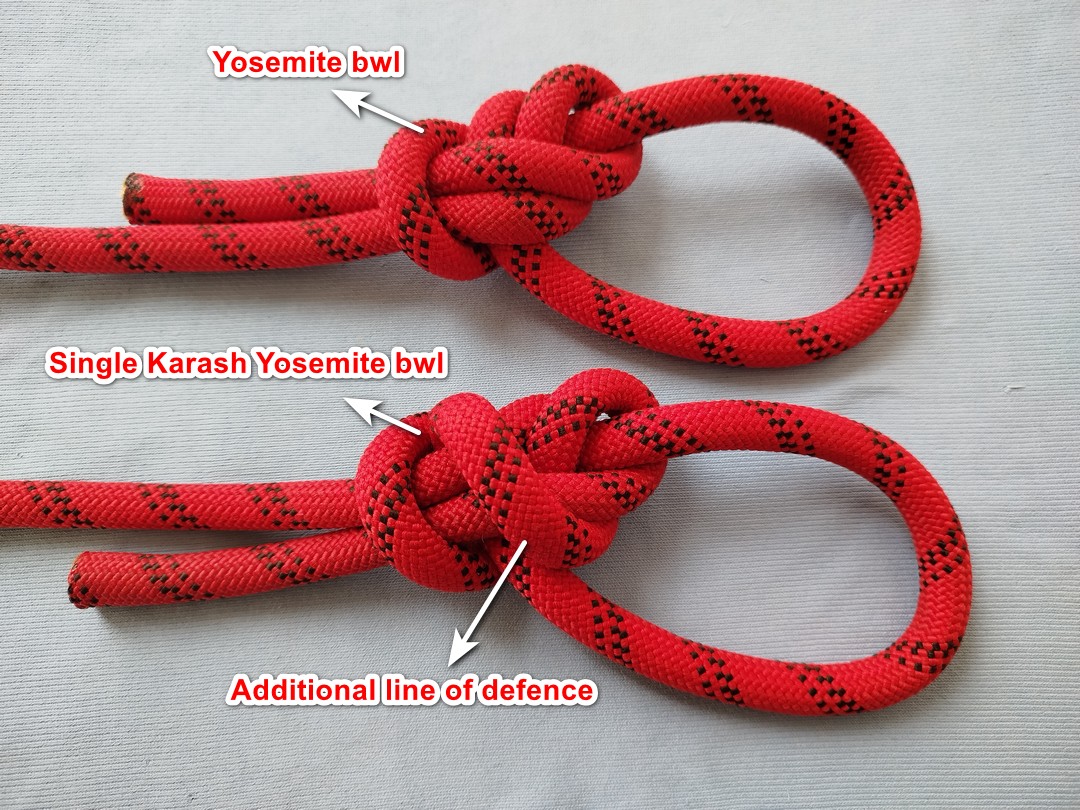
According to reply#88, with respect to the round turn bwl Abok#1013 and the crossing knot variant, it might also be respectively claimed that the single karash bwl might be more releasable than 1010, across the whole loading spectrum, for the same reasons.

However heretical this may sound, it is actually valid, no matter the fact that 1010 is always, rightfully in my view, favoured due to its simplest core and the jam proofness.

Yet, in case of a life critical application that requires a more complex returning structure for the sake of enhanced security, which might cause issues in core decompression, what would be the best option?

In trying answering with a paradigm, i shall take a closer look on both bwls that use the yosemite lock.

  1. For reasons stated above, i insist on the pliability of Karash core.
  2. Enhanced security, for the Karash’s tail, with an additional line of defence against slippage, on its way down or back through the collar.
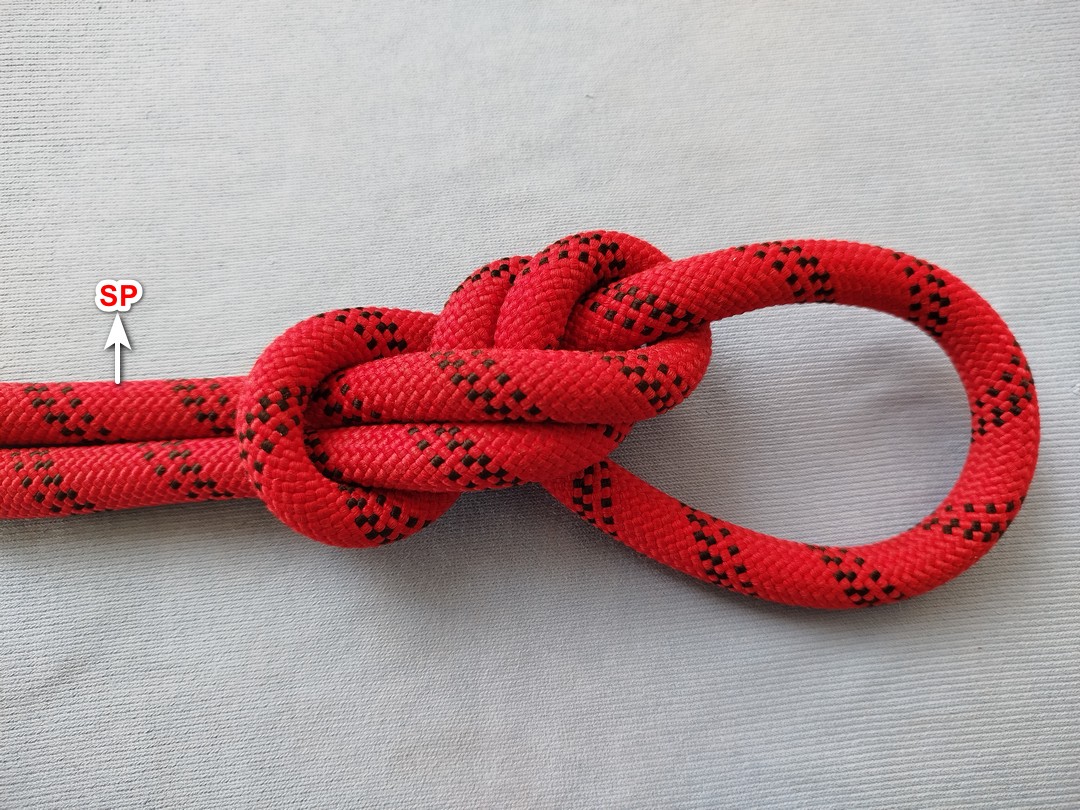
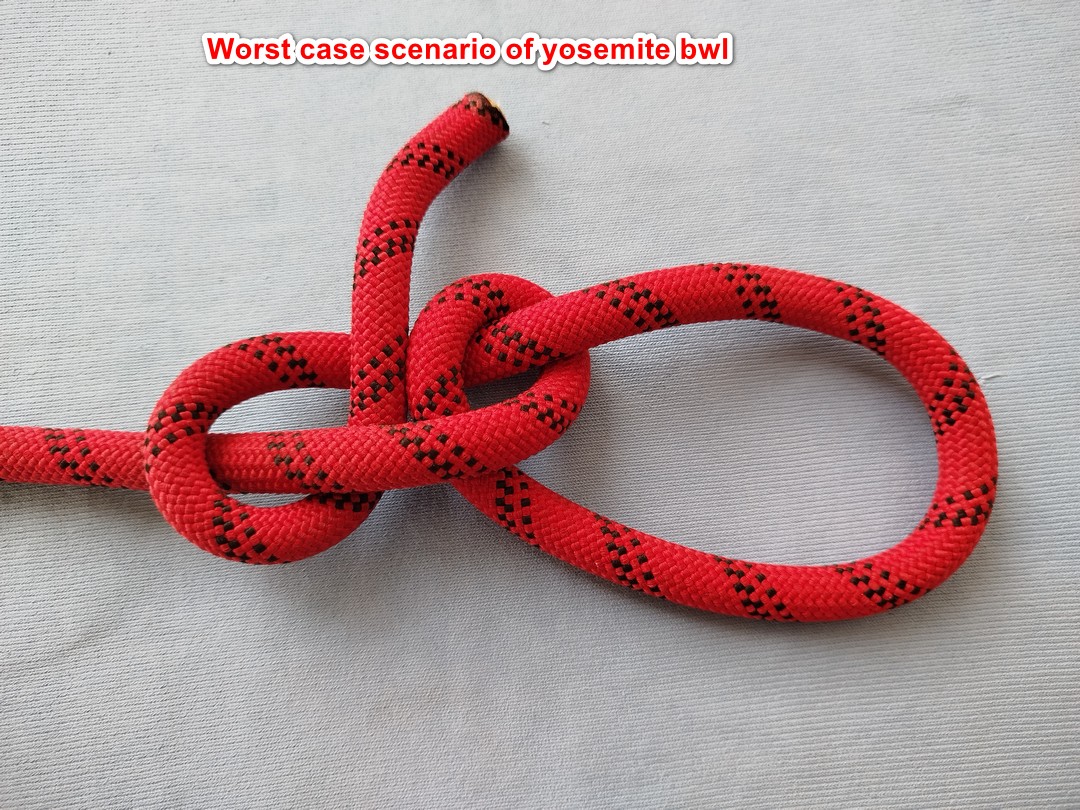
  3. In a failure case scenario, mostly due to bad tying, the yosemite bwl, could result in the following state……

which consequently might possibly undergo a metamorphosis from fixed into noose like state.

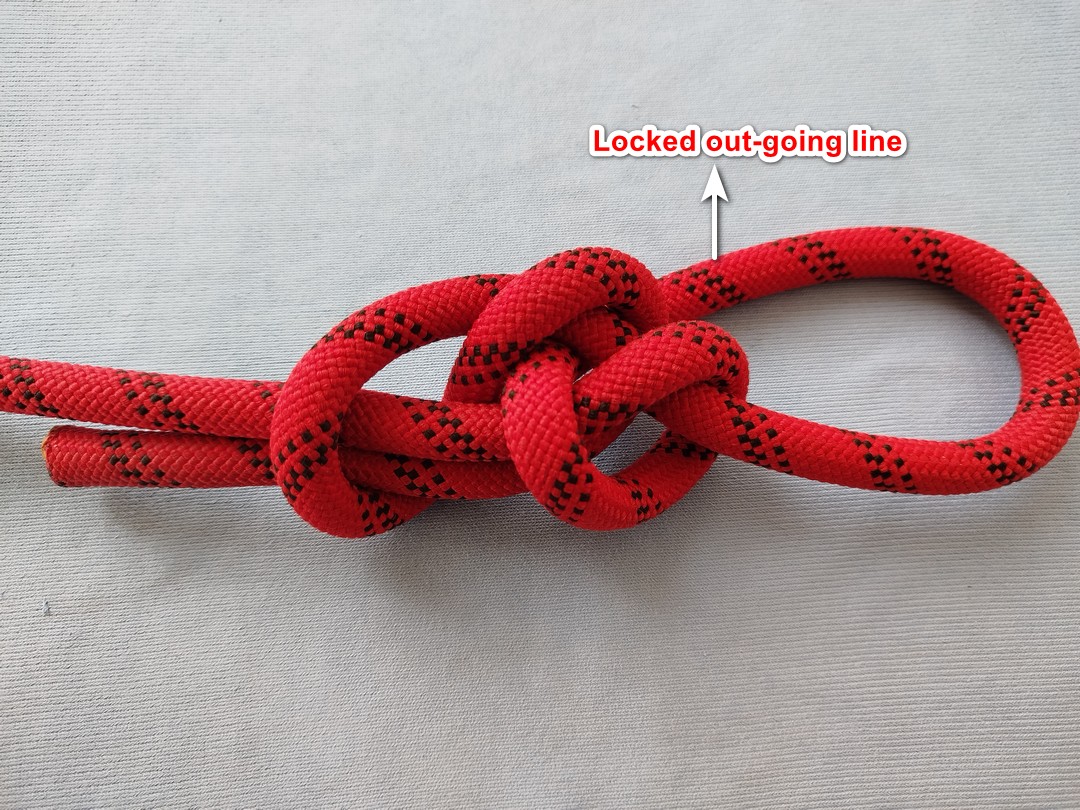
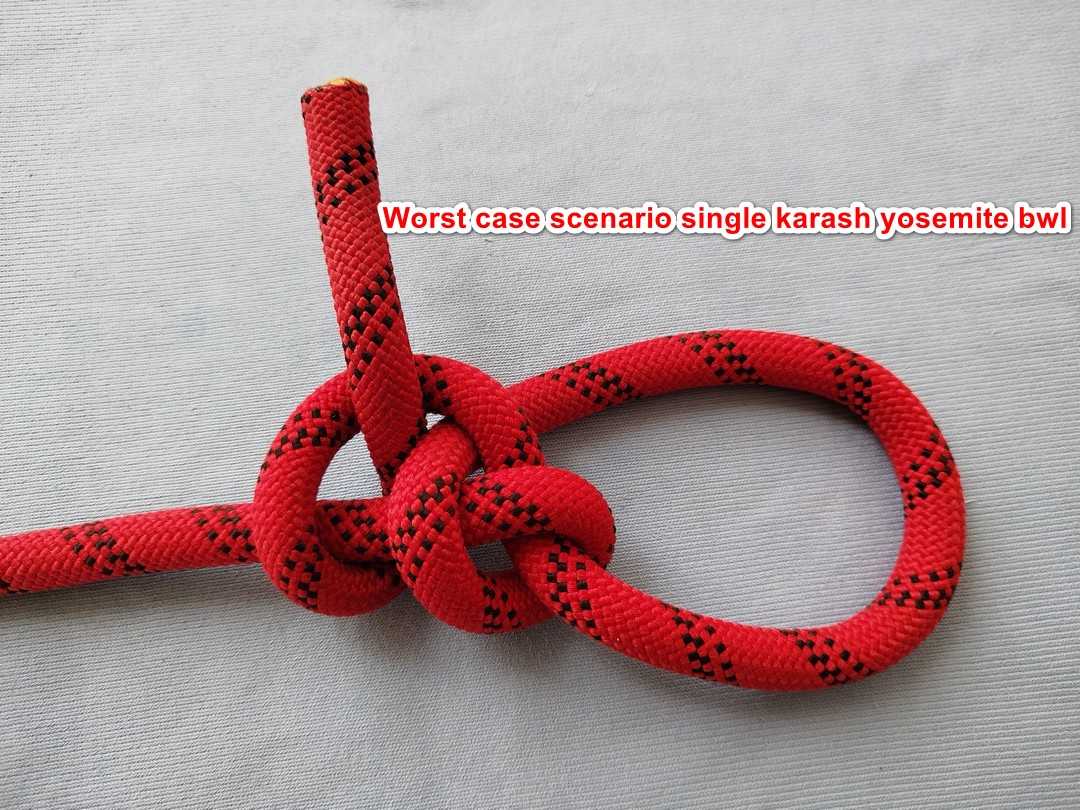
The corresponding, “unstable state” of the karash ysmt bwl, would be ideally something like this……

It is obviously noticed, that this configuration, can’t be turned into a noose -like knot, maintaining its fixed form no matter how hard one might try, cyclic loading or slack shaking it, because of the efficient, out going line locking, through the figure eight structure.

  1. Taking into account a worst and extreme case scenario, (i’m not sure how this might occur), where the tail is somehow detached from the figure eight, i would be scared stiff , relying on such configuration……

Contrarily, the respective karash state, even in this extreme case scenario, appears to hold better the fixed loop state if bodyweight loaded, with this simplest half hitch lock around SP.

This is just a reflection for fellow climbers if they are interested in getting into it.

Cavers, as far as i know, also use the double Karash bowline, to a great extent, rathen than bowline on a bight.