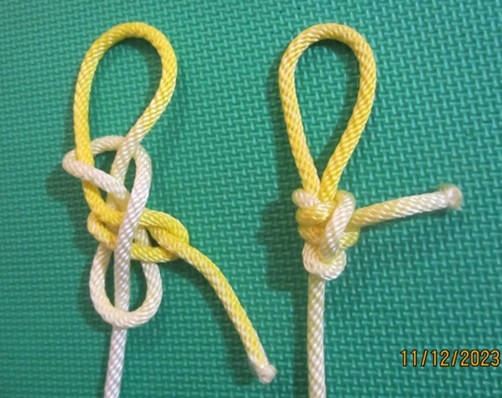
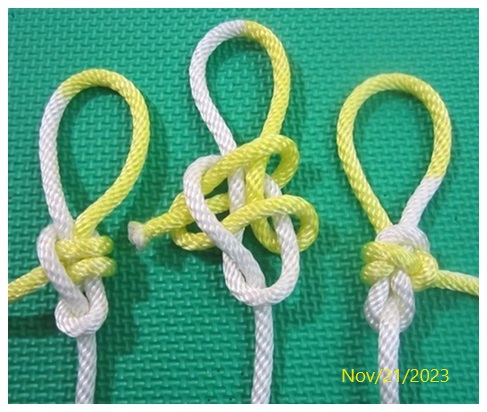
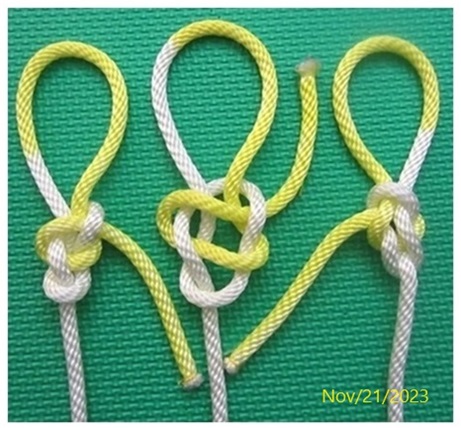
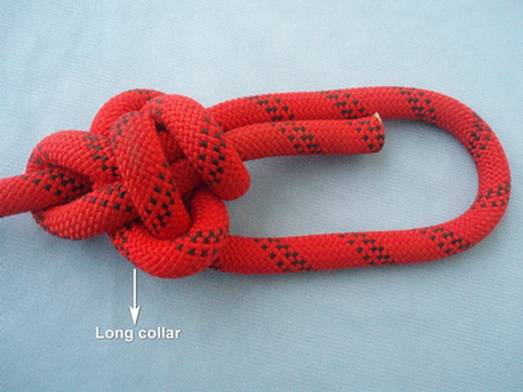
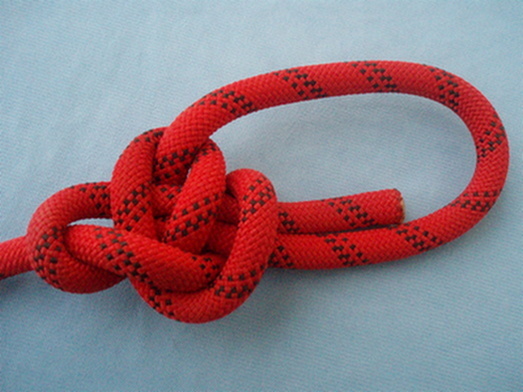
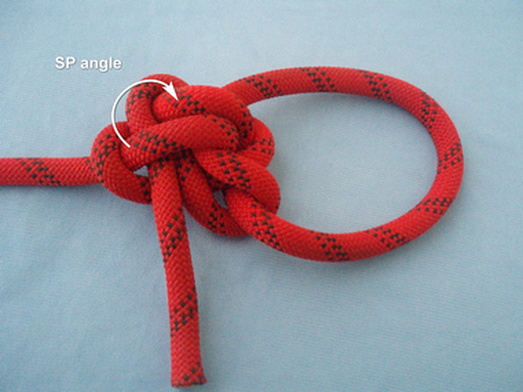
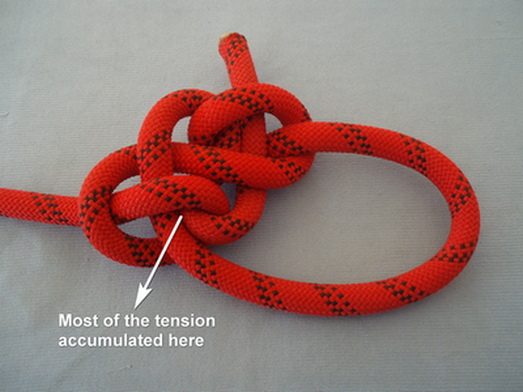
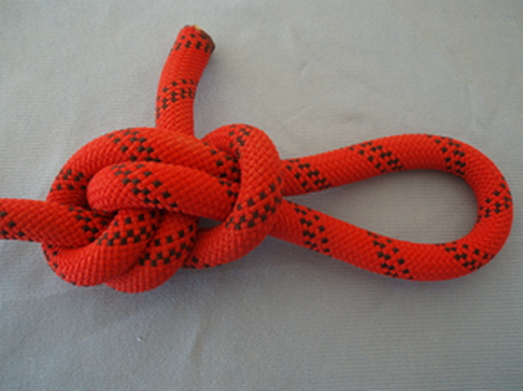
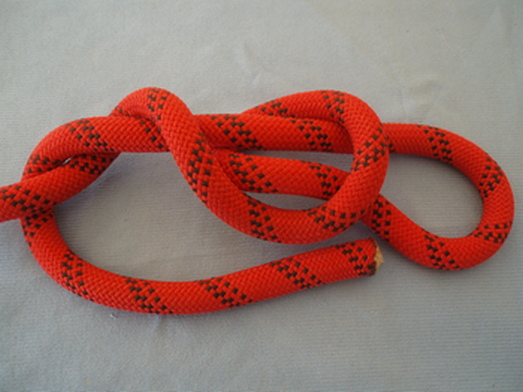
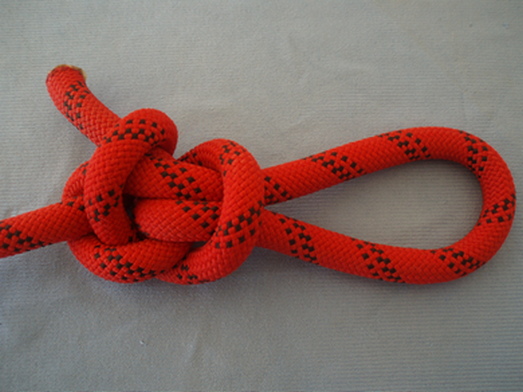
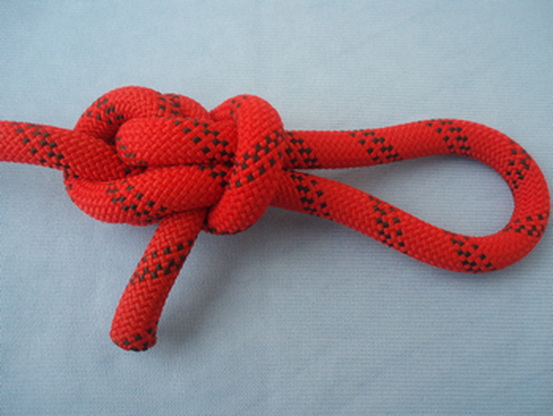
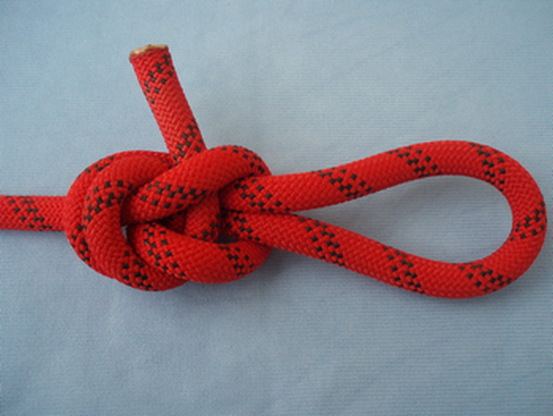
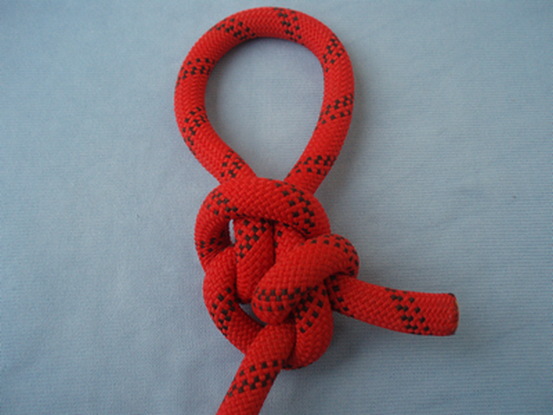
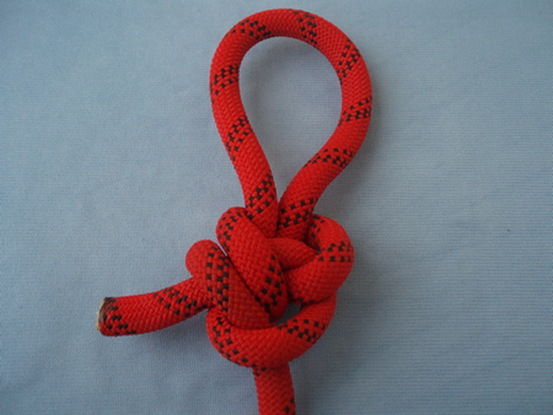
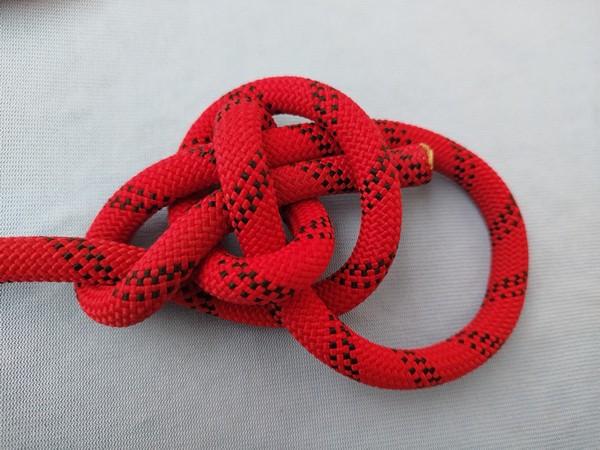
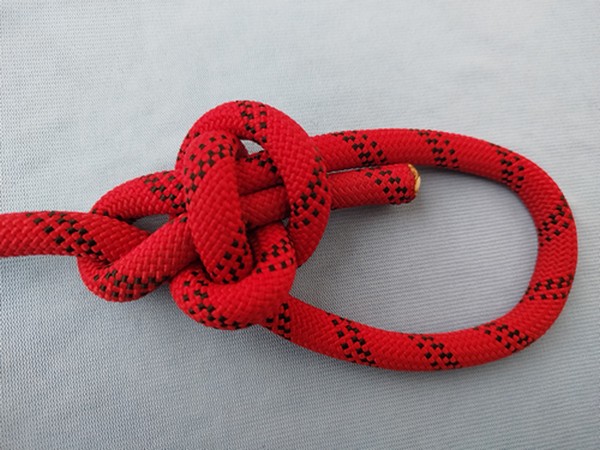
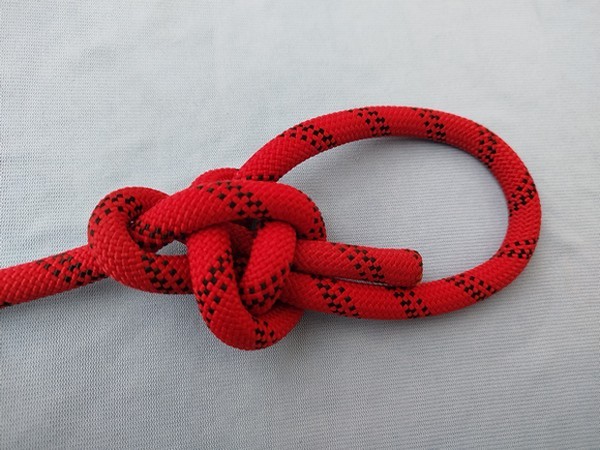
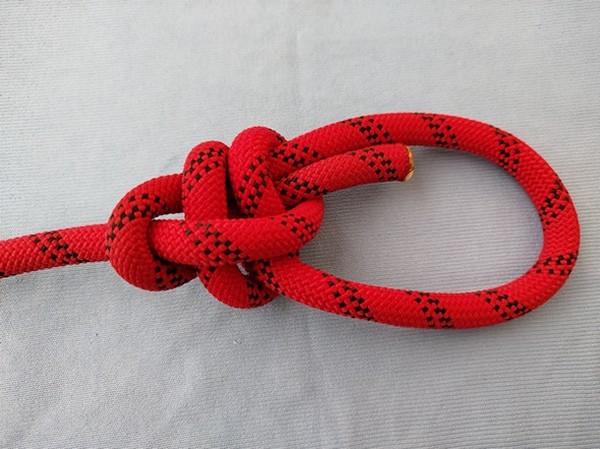
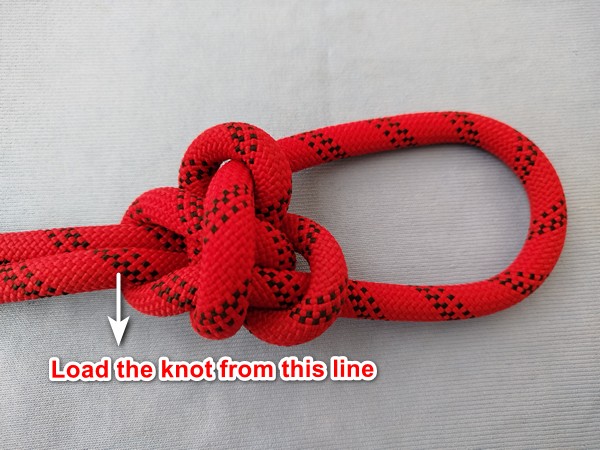
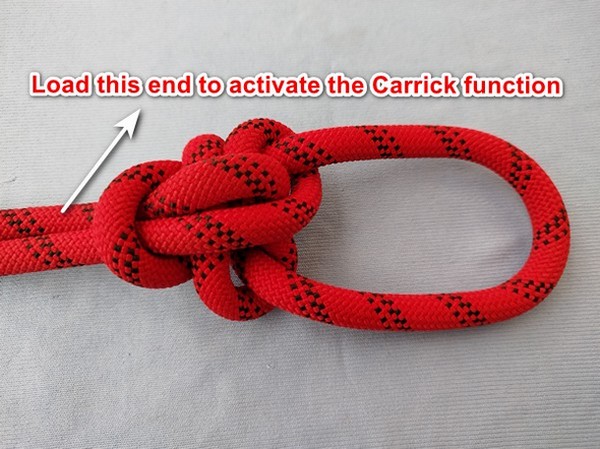
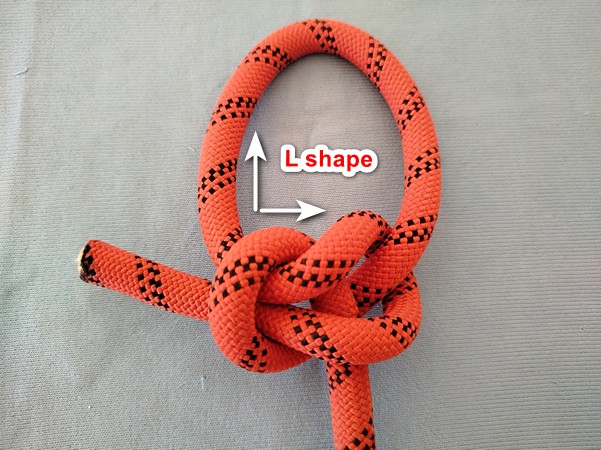
“Way better”? --show me!
where exactly does your [u]excessive [/u]optimism, about the jam resistance of the knot come from?Unless one regards (any) optimism as excessive ... , I didn't see Mark going so strongly affirming that. But where one CAN gain that optimism --if not a surer state of belief-- is in examining the loaded knot and seeing how the S.Part pulls back and keeps spread quite some space in the Fig.8 base, whose S.Part-end turn includes the intrusion of part of the finishing OH. Even with the diminution of material radius upon the elongation under load, and closing up things so to accommodate an effectively lesser-diameter'd cordage, which upon relaxed loading will now swell, stopper-like in potential effect, I think that some good pressure on this F8's turn gets off of the hard-bearing point and ... loosens the 8; the OH isn't such an issue, given its particular stopper-like loading geometry.
the combination of a figure eight and an overhand is a volatile cocktail component ..., don't you think?That's a simplistic view; the particulars need to be considered, per knot.
Could you please define the upper limit of loading zone (%MBS or in KN), in order to declare a knot as jam resistant?Material matters. Jamming/breaking ... are attributes of a physical entity, not a *logical* *knot*.
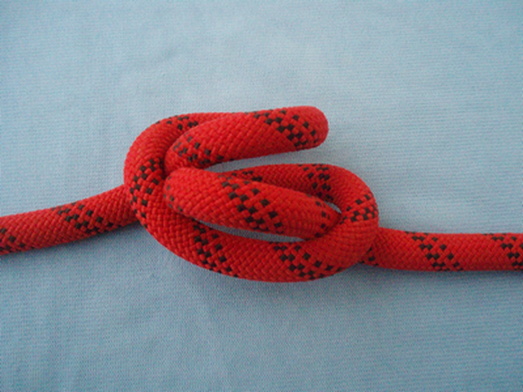
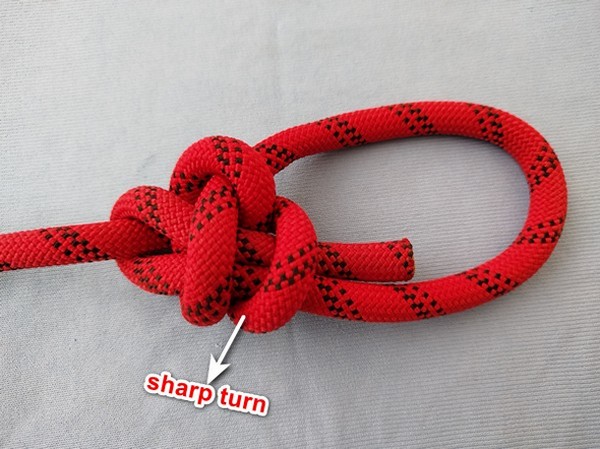
Let me also bring to mind that, you, the professional climbers, were the first that acknowledged the [i]"bad, prone to jamming form"[/i] of a figure eight, where its prime SP nipping turn, is placed on top of the returning turn, as in this profile.The term you want is "exterior" vice "on top of" --that part of twinned parts that bears into its twin (vs. pulling away from). And, yes, it seems to be the case for the [i]Fig.8 knots[/i] that one's loosening hopes are better realized with the interior-loaded knot. (And the Slovakian testers found strengths to be effectively equal --so much for my theory (unless my dressing & setting shows better).)
But my purpose in designing the Lehman8 was to give
that bearing-into part for the sake of (presumed --not confirmed!)
strength, and to look for BWLesque (relatively) easy loosening in
how the knot then was completed. (On top of these criteria,
it seems that slack-security is pretty well achieved, too.)
I, for example, would place the overhand nipping turn at the top of the figure eight turn, near the eye, to avoid additional core constriction, but i estimate that this modification would probably give me 1 or at most 2 KN, extension of the jamming threshold.... and you might, and even tuck out the Tail beside the S.Part's entry, in opposite direction. One more knot for the taking; and IMO one morEasily loosened than you're believing.
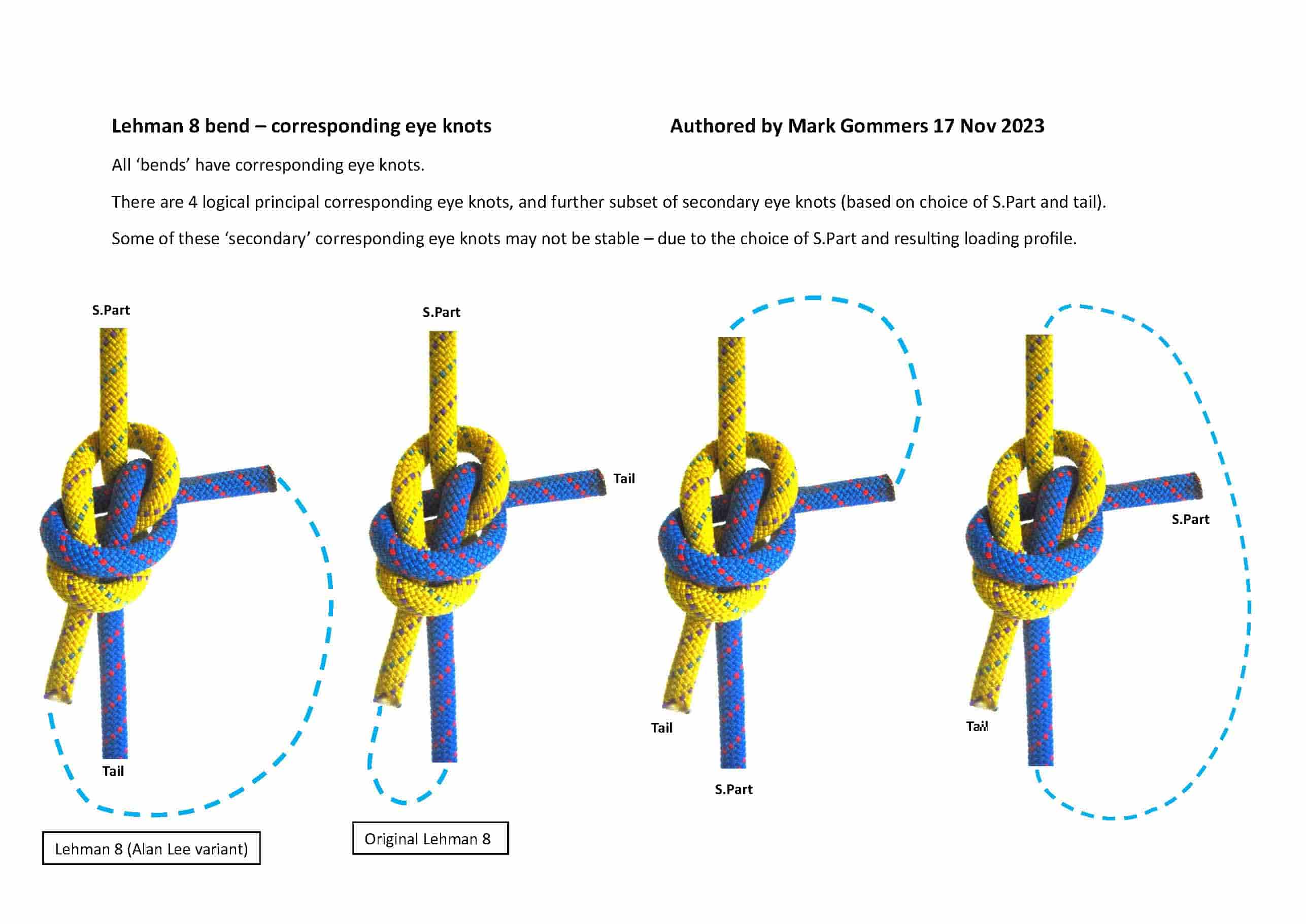
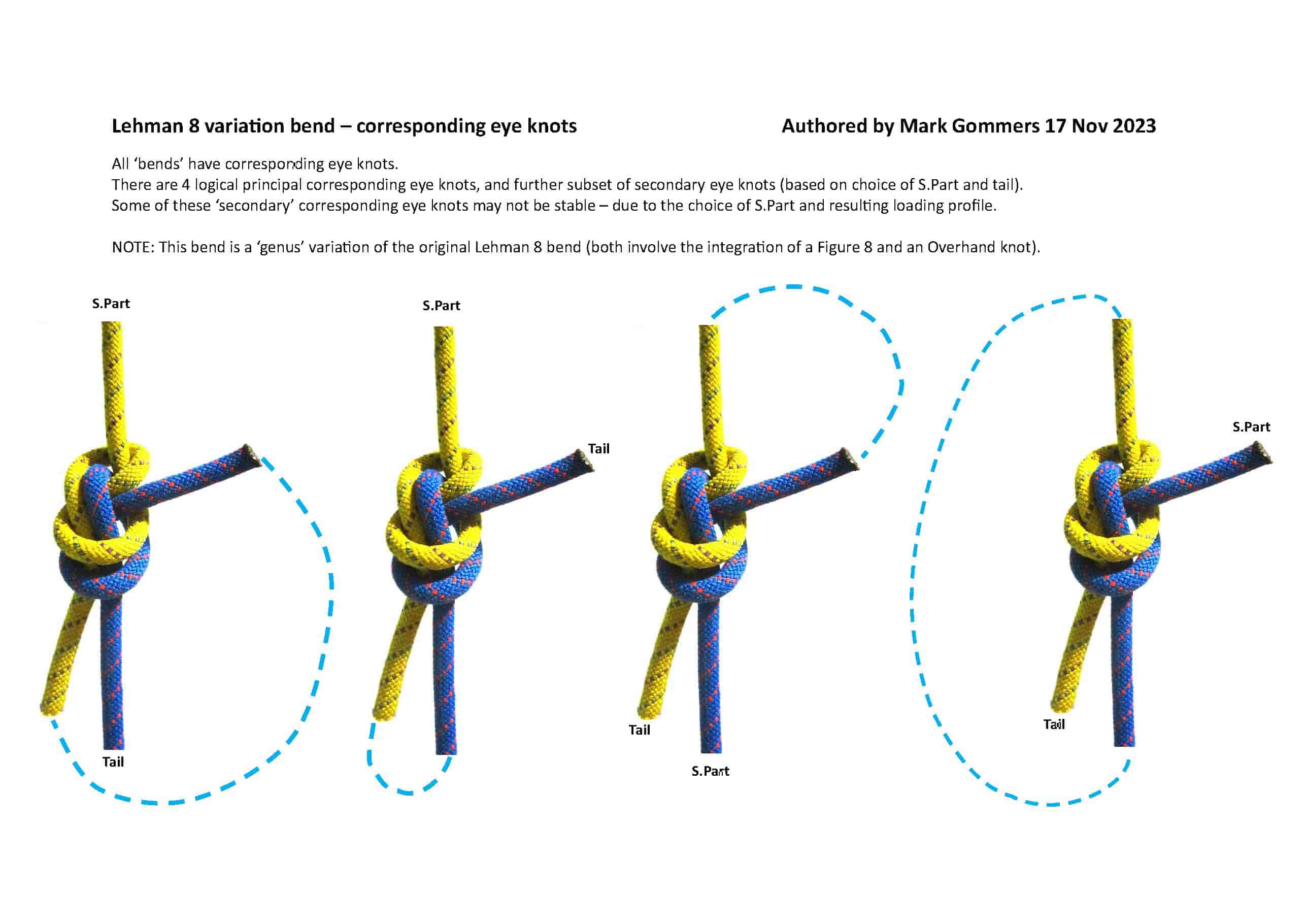
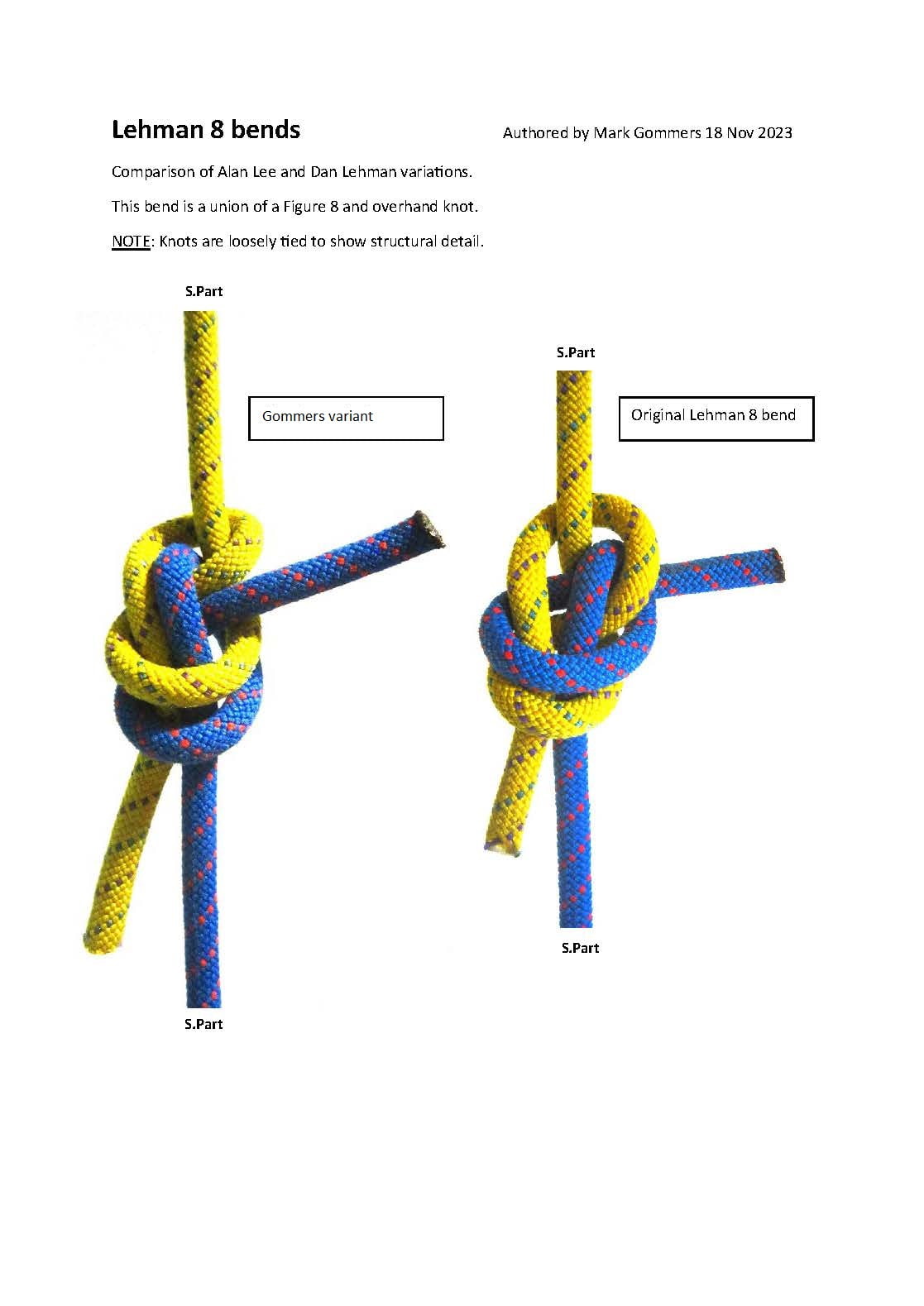
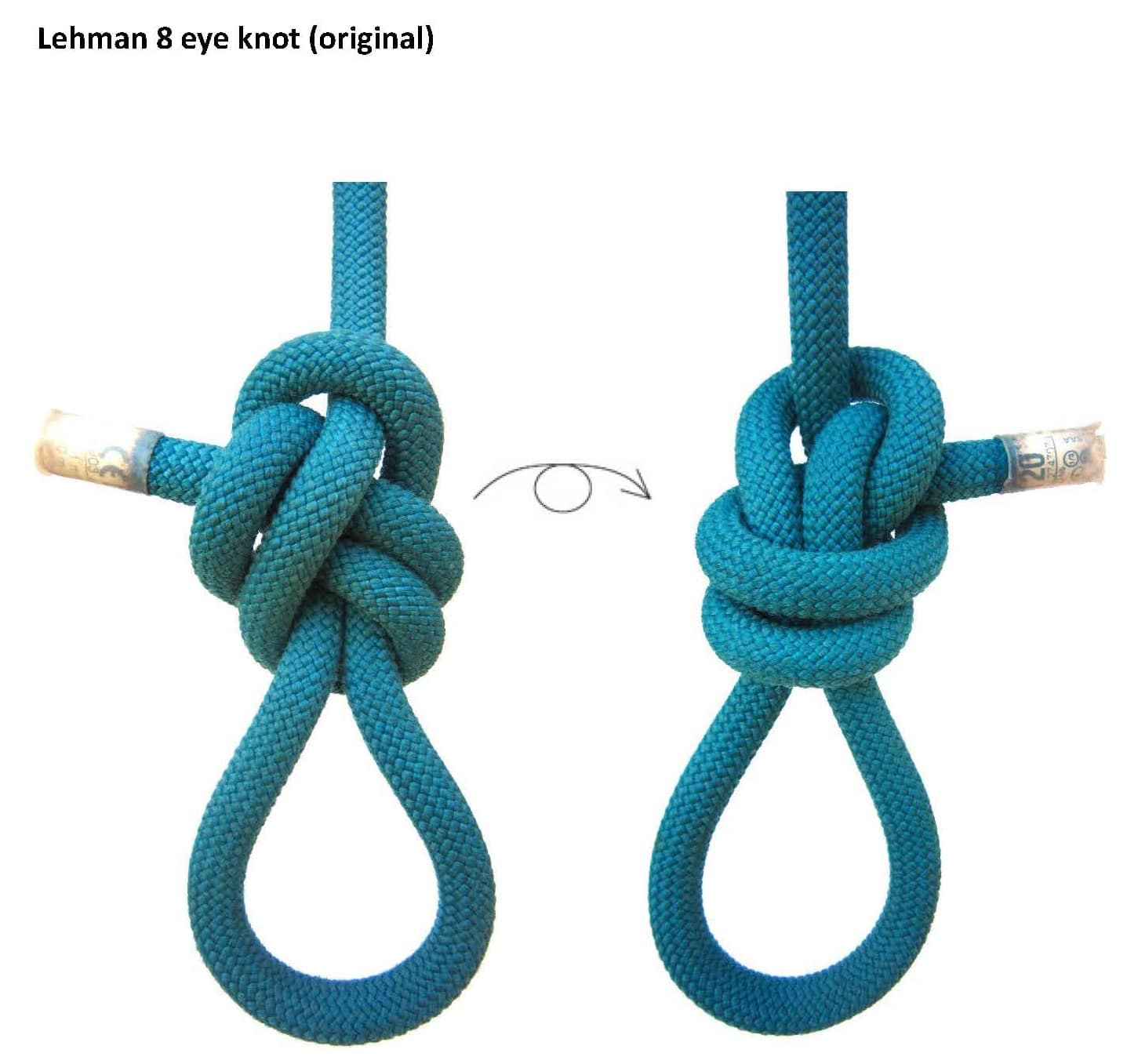

 Maybe yours are more manageable at heavy strain than mine.