Hi! I’m not sure if this is the right place to post this, but if it isn’t, I apologise!
Highwaymax’s Hitch
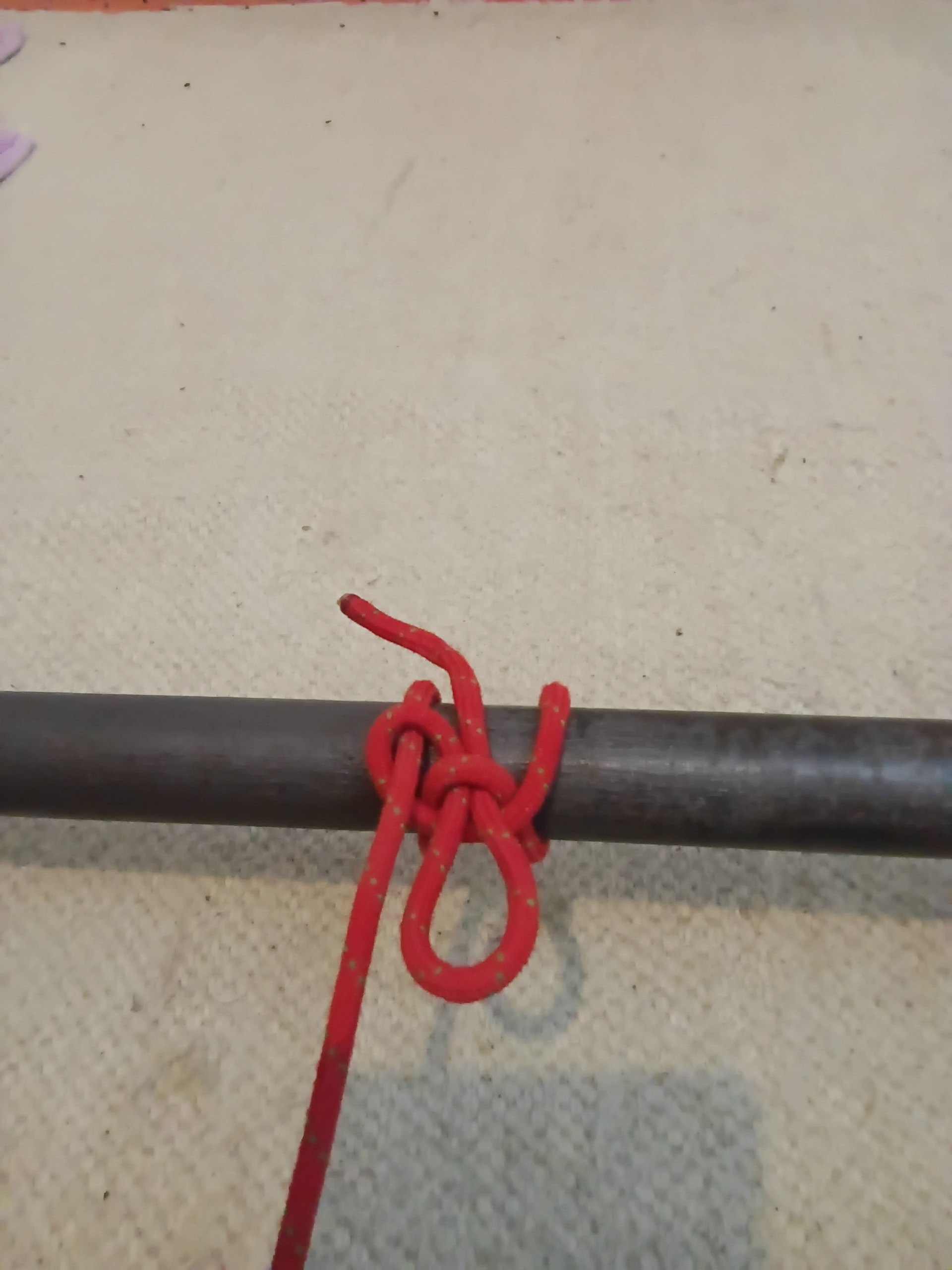
This is my variation on the Highwayman hitch. The shape is similar, but there are a few key differences. To date, I have not found any other references to this variant, so arguably, perhaps, I could claim that it is a new hitch(… I hope …) and name it: Highwaymax (Max is my name).
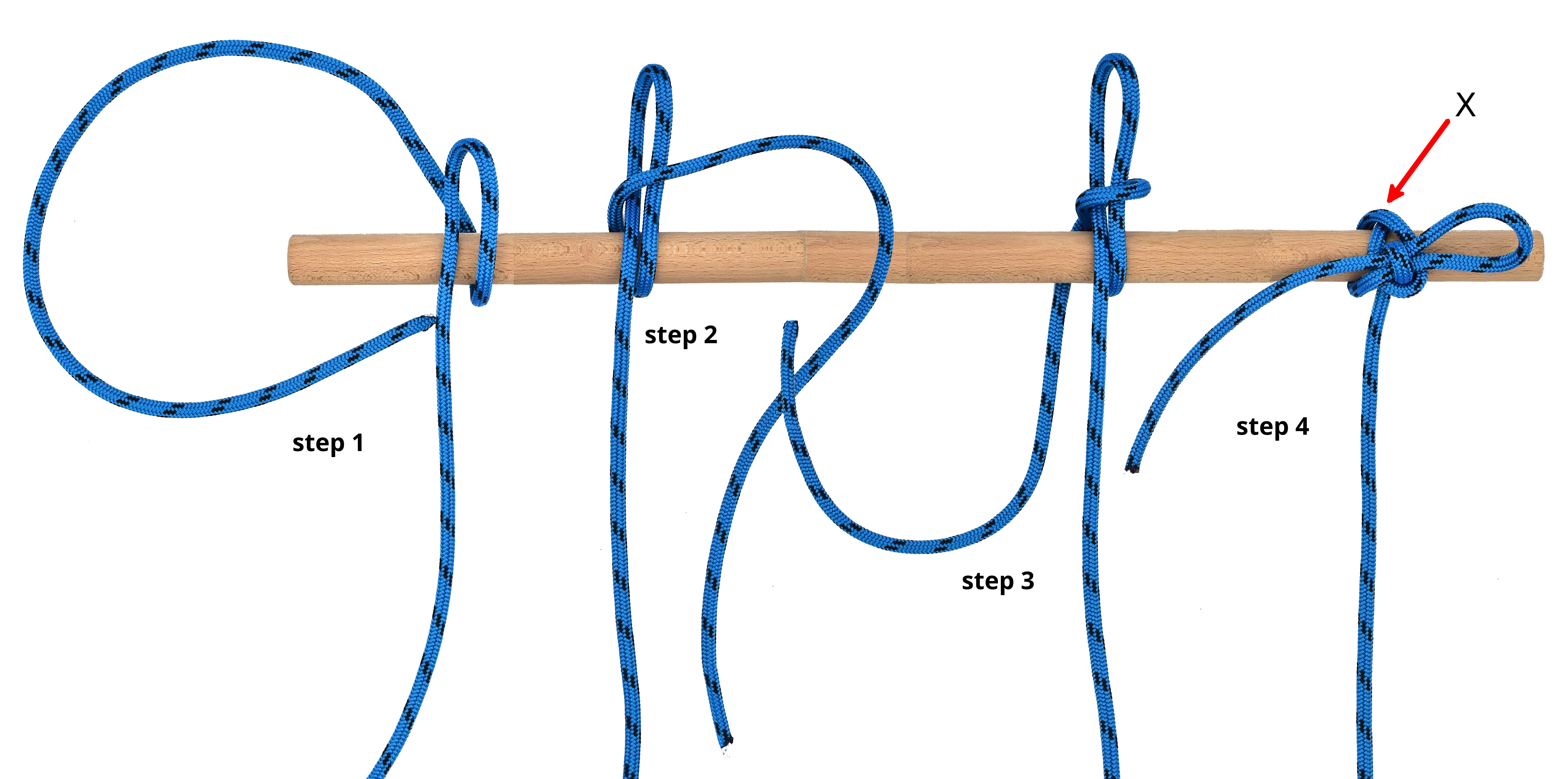
Compared to the similar hitch, the Highwaymax differs in the procedure for tying it. The hitch begins by presenting a simple bight in front of (instead of behind) the object to which it is tie (pole, rope, ring, etc.), and from there, only the working end is used. This approach makes it easier to work with the standing part under load: one hand holds the initial bight to counter the tension, while the other forms the hitch. In the first step, the working end, when properly tightened, forms a half-hitch and passes behind the standing part from the opposite side, then it comes back in front, tightening the initial bight with another half-hitch. After forming a second half-hitch behind, it is important to cross it as close as possible to the initial bight. The working end then comes back to the front. Finally, the working end, doubled over, is inserted into the starting bight, creating the release mechanism.
The hitch tightens by pulling the standing part. If the standing part is under tension, releasing the initial bight will automatically tighten the hitch. The two half-hitches behind, crossing near the initial bight, form a cross (marked as X in the image), which greatly reduces the risk of the knot flipping, stabilizes it under lateral tension, and increases its resilience, especially if the support is larger in diameter than the rope.
These characteristics make it an effective hitch. Unlike similar hitch, it is important to note that since the working end passes behind the support, the dead end should not be left too long.
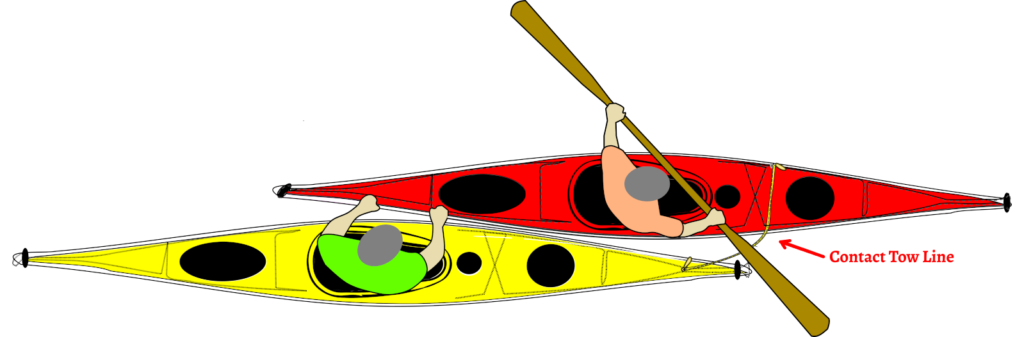
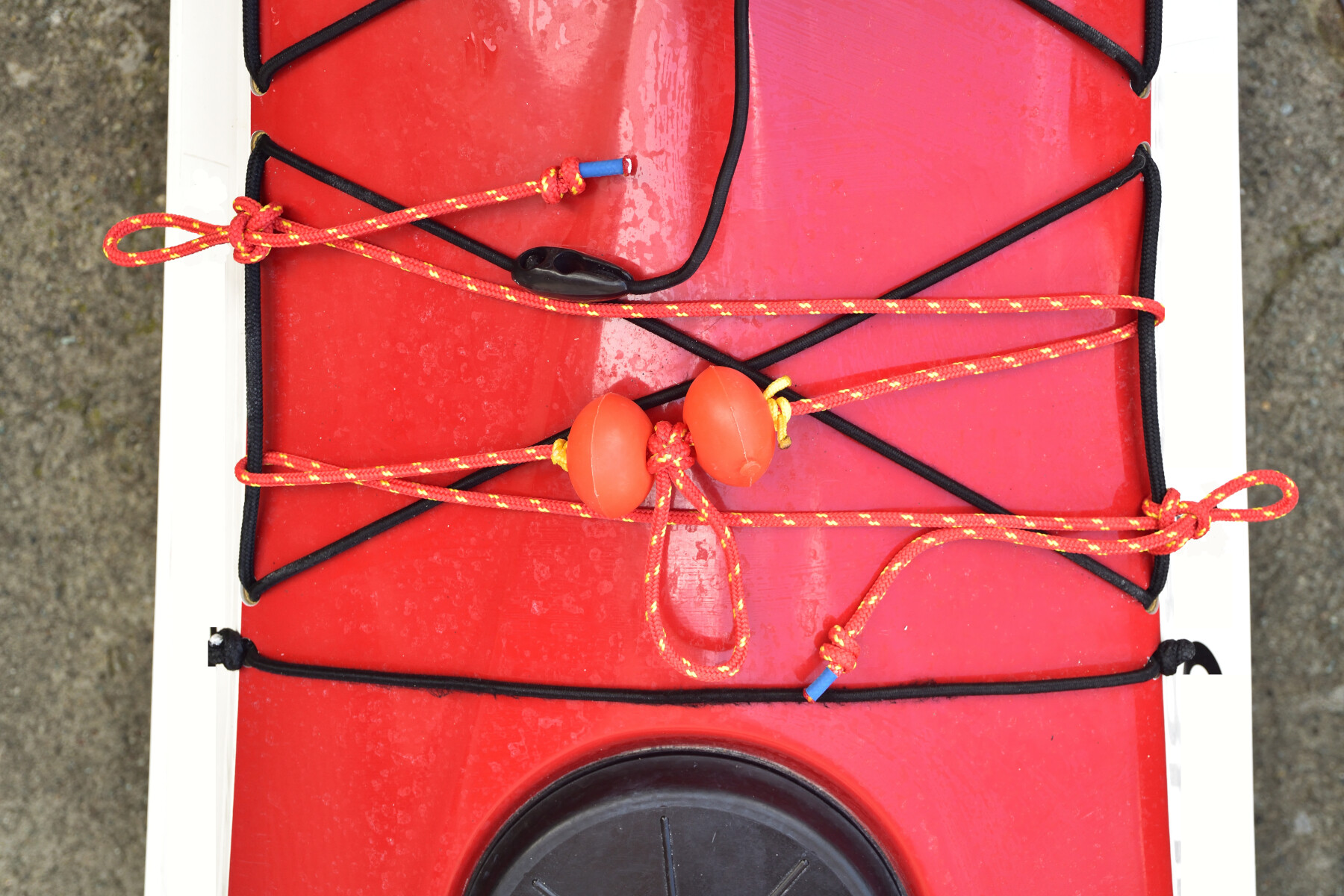
This hitch can be used in any situation where tension is placed on a rope or cord, such as when setting up tarpaulins for shelter, protecting equipment with covers, mooring a kayak or boat at the bow and stern with two lines, or anchoring a kayak to a cliff. The hitch is simple and fairly quick to tie (a little faster than the Tumble Hitch). Its ability to be released very quickly with almost no risk of snagging and the fact that it can be tied with the standing part under tension make it a particularly attractive option. It can even be tied with gloves or numb fingers, making it the perfect choice for attaching fenders to the lifelines on a sailboat.

 These are just my personal preferences and should be verified through careful testing.