First some history:
The Euro-Death Knot (EDK), ABOK 1410 is commonly used to join 2 ropes for rappelling (abseiling). It may be weak, but the forces generated while rappelling are typically very low, so it isn’t a problem and its shape makes it unlikely to snag when retrieving the rope, making this knot one of the safest options (there are few common problems more difficult and potentially dangerous to deal with than a stuck climbing rope). It does have the disadvantage that it could capsize, and if it repeatedly capsizes, come undone. This is very unlikely, but some recommend tying a second as a backup and to prevent repeat capsizing. This works but increases the likelihood of the rope getting caught, by adding bulk to the knot and making it top heavy, so many climbers prefer to just leave long tails, which also increase the likelihood of it catching, though less so.
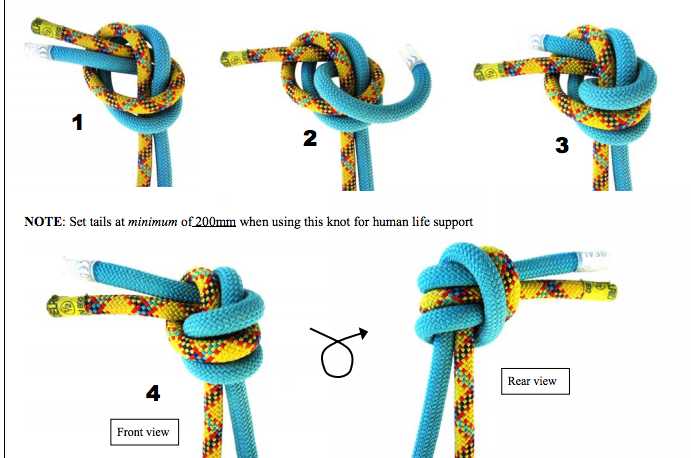
One solution proposed was to add an extra turn (I wish I had thought of this first, though I did come to it independently, and then found it at in the following document online, see clippings 1 and 2 if you dont want to read the whole thing, though its interesting and worth reading, and notice in clipping 2 how the shape of the knot helps it deal with corners/ledges)
http://www.paci.com.au/downloads_public/knots/01_Knots.pdf password thankyou if it asks for one
I have yet to use this new knot in the field, and until now have used the EDK, leaving long tails without a back up, because I have gotten into some sketchy situations trying to retrieve stuck ropes and now do everything feasible to prevent getting into these messes.
This knot looks like a great solution, but I can’t help myself, so when I was reading:
http://www.paci.com.au/downloads_public/knots/21_Book_Ropeanditsuses.pdf
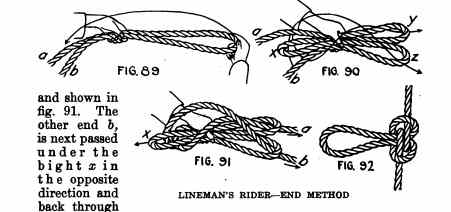
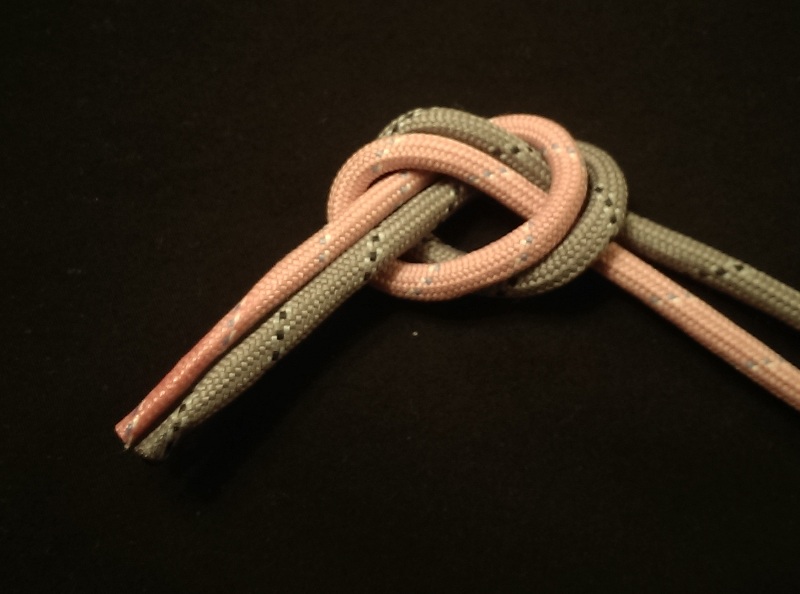
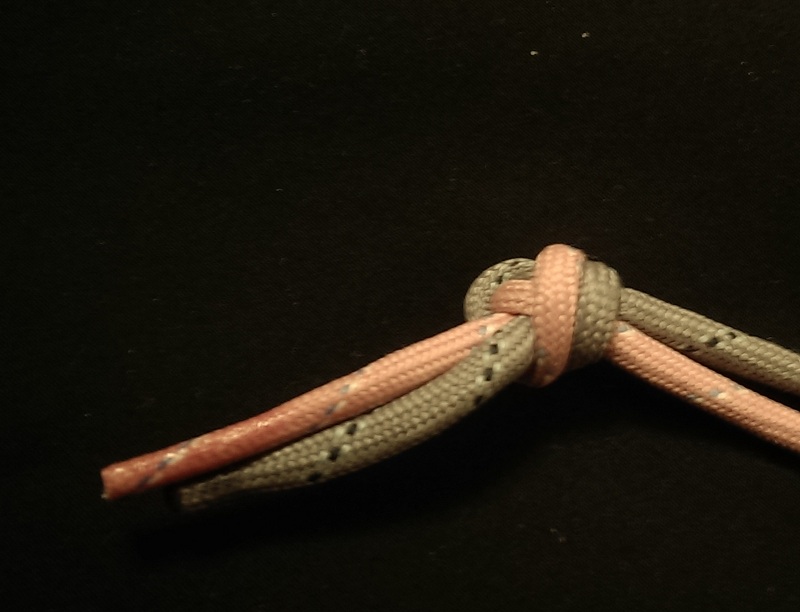
and looking at the strange method for tying the alpine butterfly (lineman’s rider in the document, clipping 4), I tied it a few times, and thought, who would ever use this method, why not modify this to use it as a bend? It produced an abnormally loaded butterfly; what would normally be the loop strands were both standing ends, what would normally be the standing parts were the bitter ends. I took a picture of it tied in different colors of paracord, not the best picture I know but notice the shape looks like it would have the advantages of the EDK for negotiating ledges, but is an alpine butterfly.
Any thoughts or opinions? I am going to start trying it out in different climbing ropes to see how it behaves, obviously well before hanging my life on it. Any one see any problems? Keep in mind that the EDK is right now one of the best options available, if you want to explore that, start a new thread or go find one of the many out there, it is a hot topic for debate, but I don’t want to focus on that here.
My hypothesis about the abnormal butterfly (AB) vs the EDK breaks down as follows:
Downsides:
-Tying the AB is more difficult and time consuming, even though this is a knot that many climbers are familiar with, most would have to learn this new method of tying and would need to be able to check it too
-Possible to end up with the less secure false butterfly, though I am not sure the knots would perform all that differently, as the knot is loaded in a way that prevents the false butterfly from its typical pattern of failure
Same:
-both have same profile for sliding over ledges… or at least it it looks like they do
-Typically untying the EDK isn’t an issue, though the AB may have a mostly theoretical advantage here
Upsides:
- AB is less likely to Capsize… I think (is it possible for it to capsize? and does the EDK ever capsize in real world use?)
- AB is stronger…? This could be important in emergency rescues, or might make this of interest to the SAR community
- No need for a back up knot or very long tails…? if so, the AB might be less likely to get stuck, which is the main advantage of the EDK
Unknown:
-Security. Could the AB work itself undone?
I will probably throw this up on climbing/guide/SAR forums but thought I would start here. Thanks!