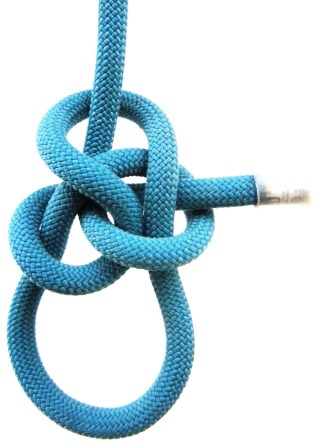
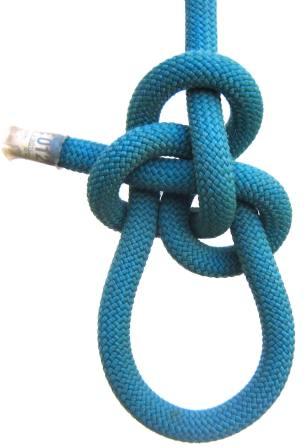
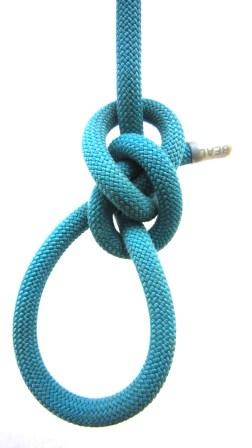
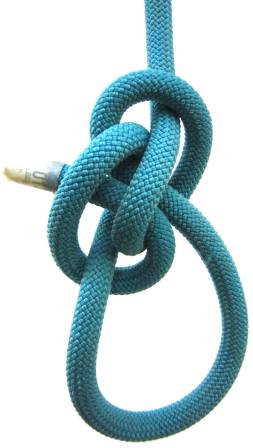
I am gathering momentum to undertake another round of work on my Bowlines paper.
There are some ‘connective Eye knots’ that I want to include - for comparison and interest (not all are necessarily Bowlines). The paper will be expanded to include details about knot terminology (which in my personal view is a problematic area) and also to include other types of connective eye knots (eg those based on the SmitHunter Rosendahl/Zeppelin structures). There will be a lot of side-by-side comparison and discussion comparing pros/cons of each knot.
I will be inviting interested members of the IGKT to contribute - but I want to keep things positive - and I want to stay focused on the prize - which is to develop the definitive paper on connective eye knots used in mission critical applications (eg rescue, climbing, caving, etc). To that end, there will also be discussion on Figure 8 connective eye knots (eg high efficiency Vs lower efficiency structures).
I dont have huge amounts of time - I am busy with work.
I want to get the history details correct so am creating this initial post to scope for detailed information (who originally tied it, first known application, when it was discovered, technical details about structure, etc).
Notes:
-
I deliberately used the term ‘connective eye knot’ because the obvious intention of an eye knot is to form a connection to something (eg to a rock climbers harness or to a carabiner). The eye knot term is similar to an eye bolt - in that something connects to the eye of the bolt. Another way to look at this is to think of the purpose of an eye bolt. Why do people purchase and use eye bolts? Why do climbers and rescuers tie eye knots? The eye forms a connection to something…
-
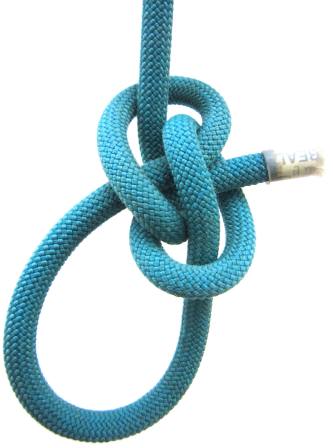
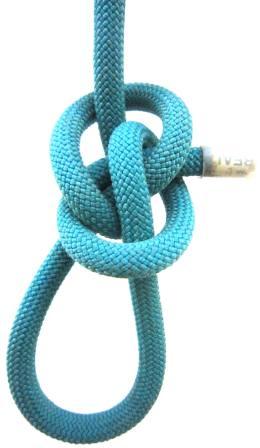
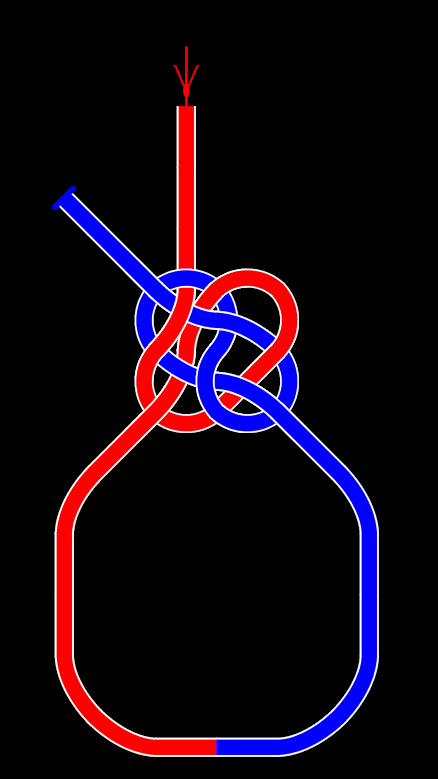
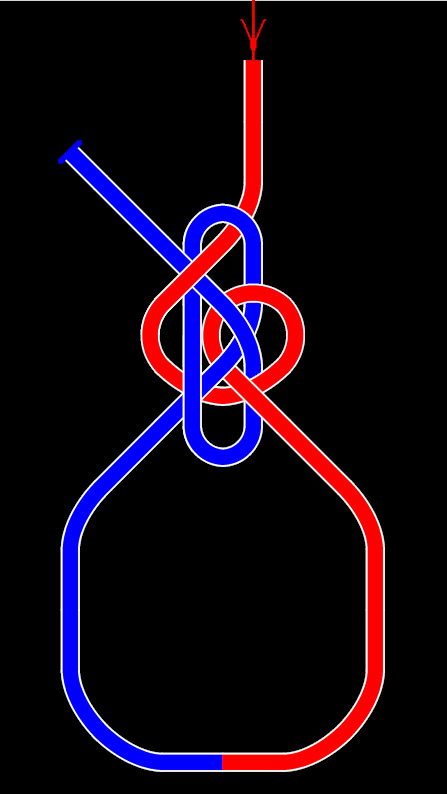
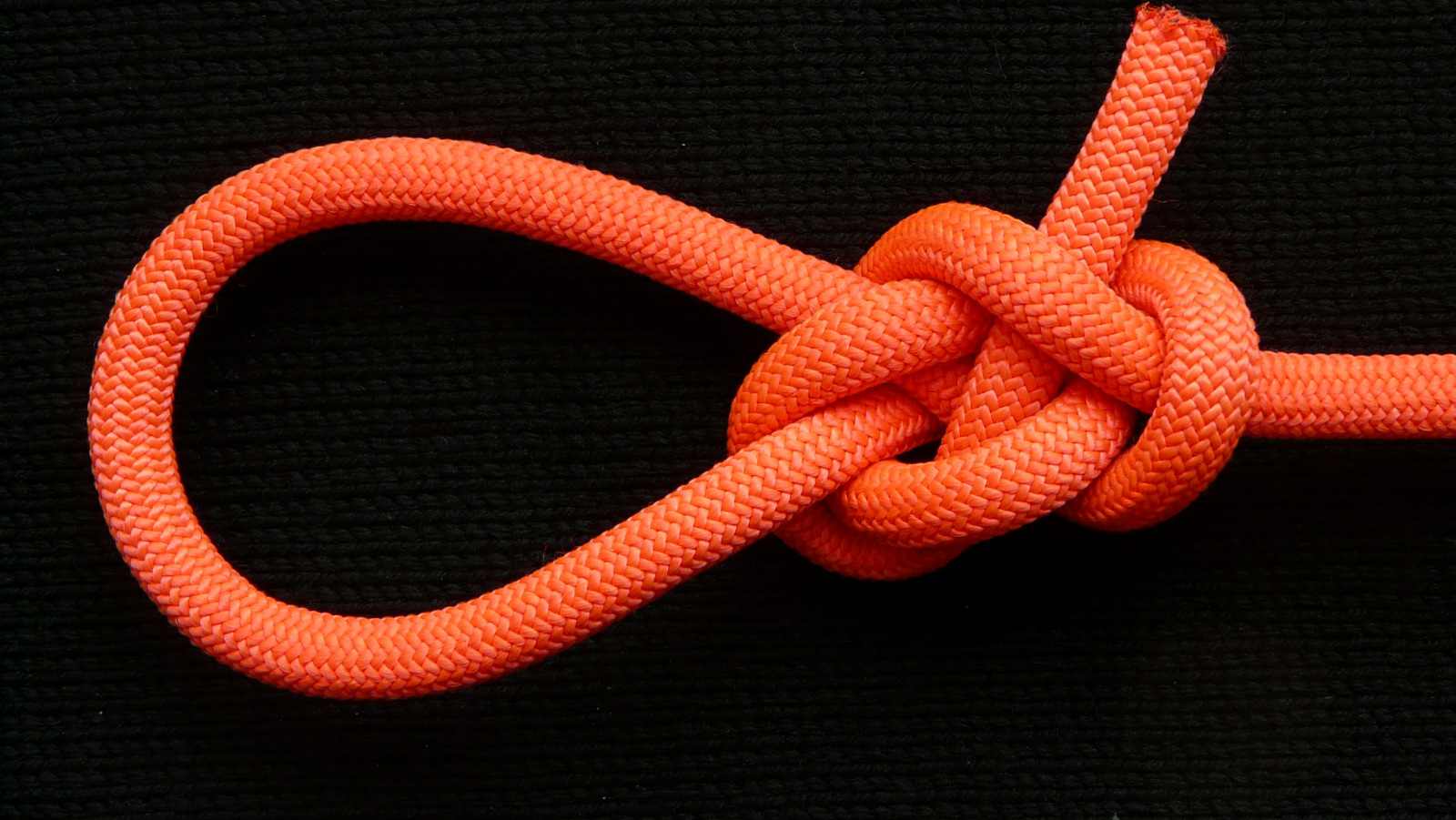
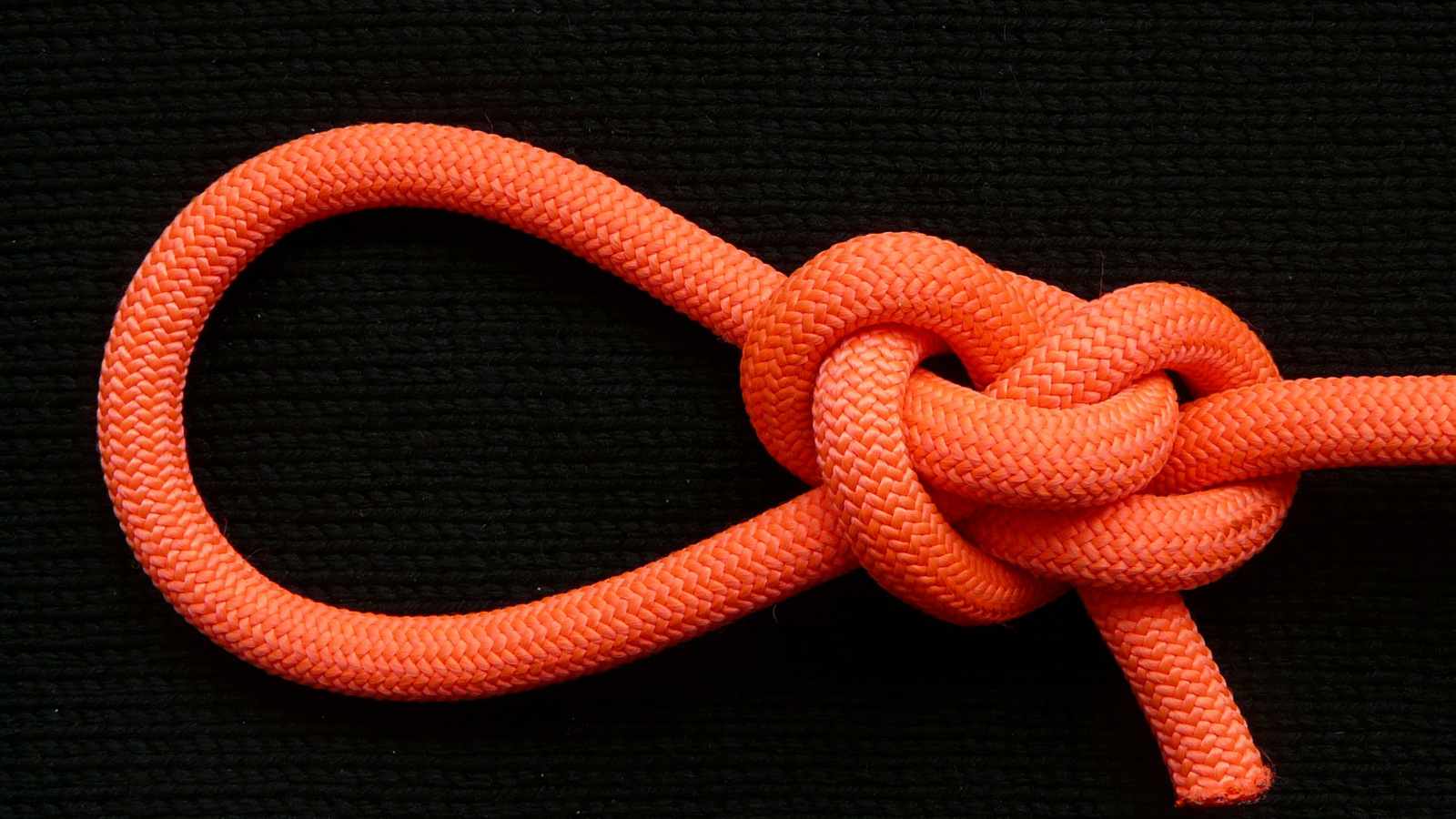
The naming of the knots in the photos are not set in stone - they are just names I plucked from thin air in a hurry - the names can be changed (so don’t get hung up on the names!).
-
The photos are shown with variations of where the tail is fed in relation to SPart. I find that the structure seems to be more secure when the tail is fed between the SPart and bight component. It needs to be drawn up and cinched tight - but once done, it appears to be secure (Note: I have not tested the stability and security of this form extensively - so it should not be relied upon as a tie-in eye knot for life support applications… unless of course you perform your own tests and arrive at your own conclusions…).
Mark Gommers