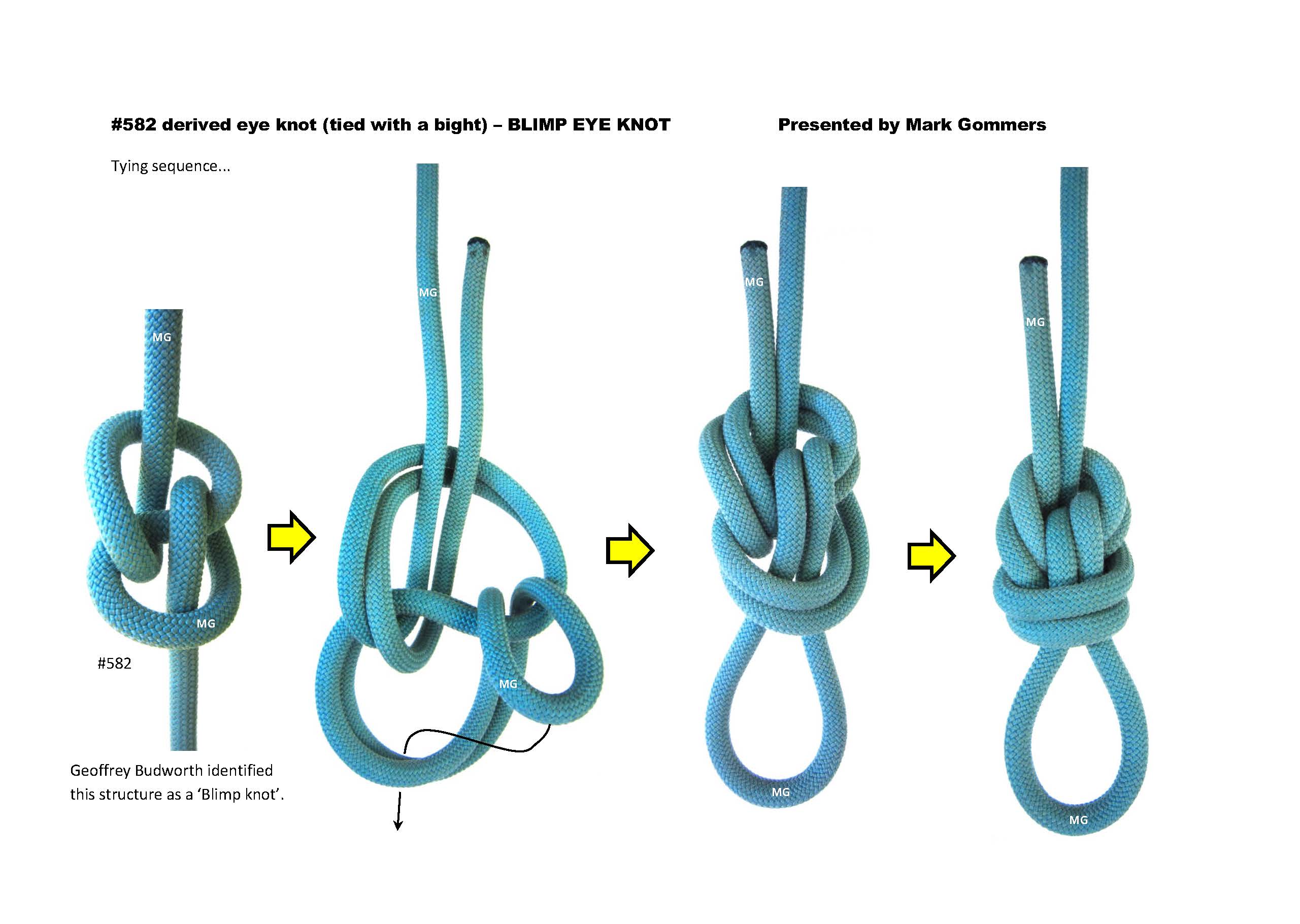
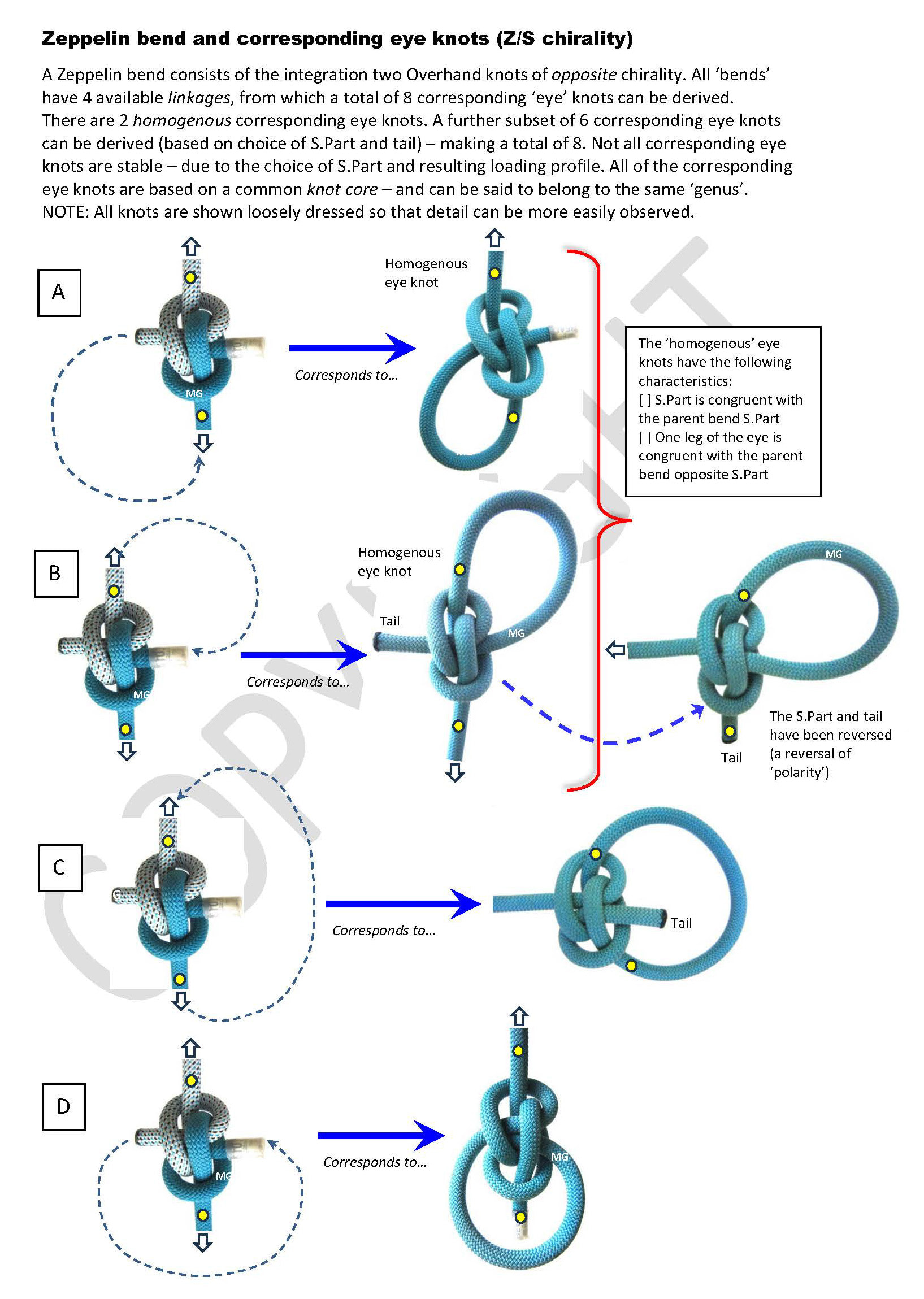
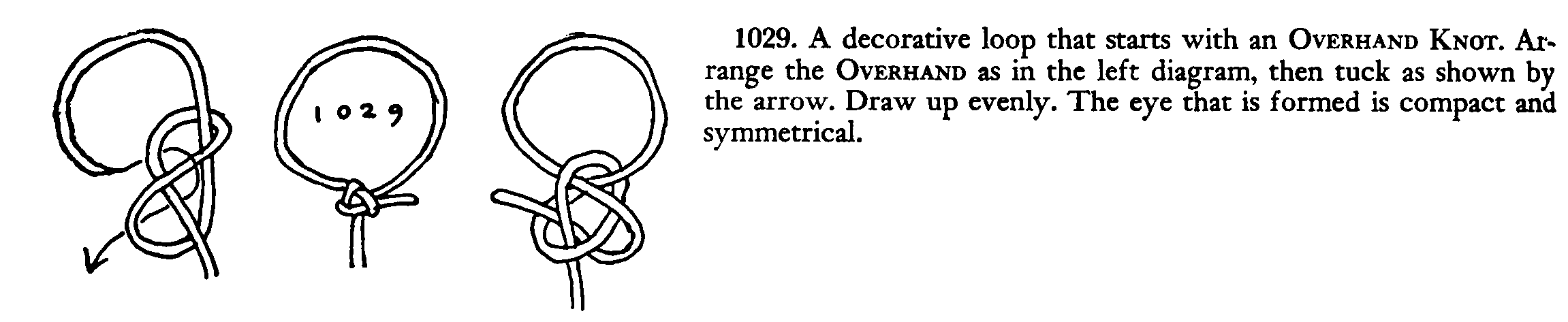
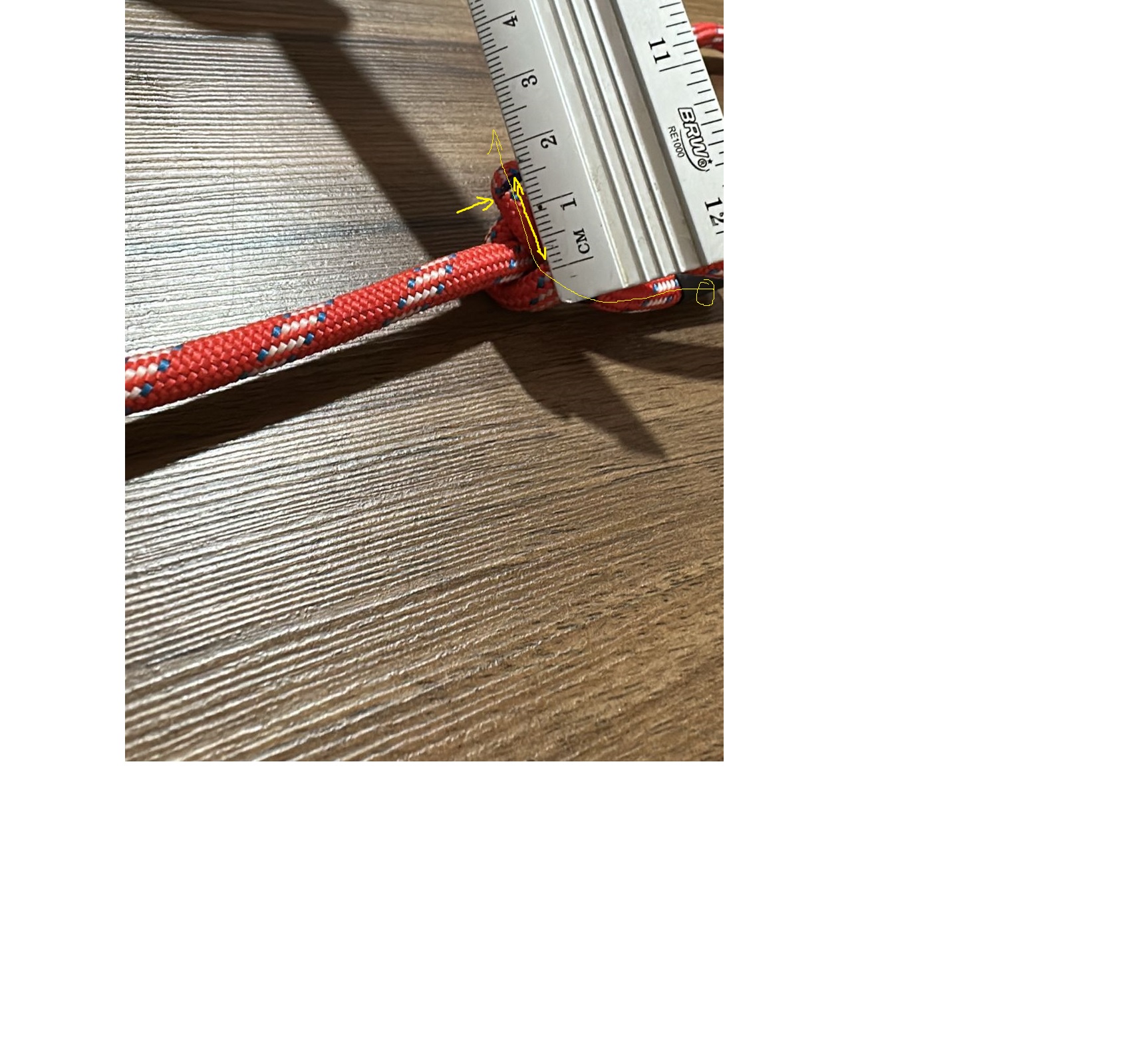
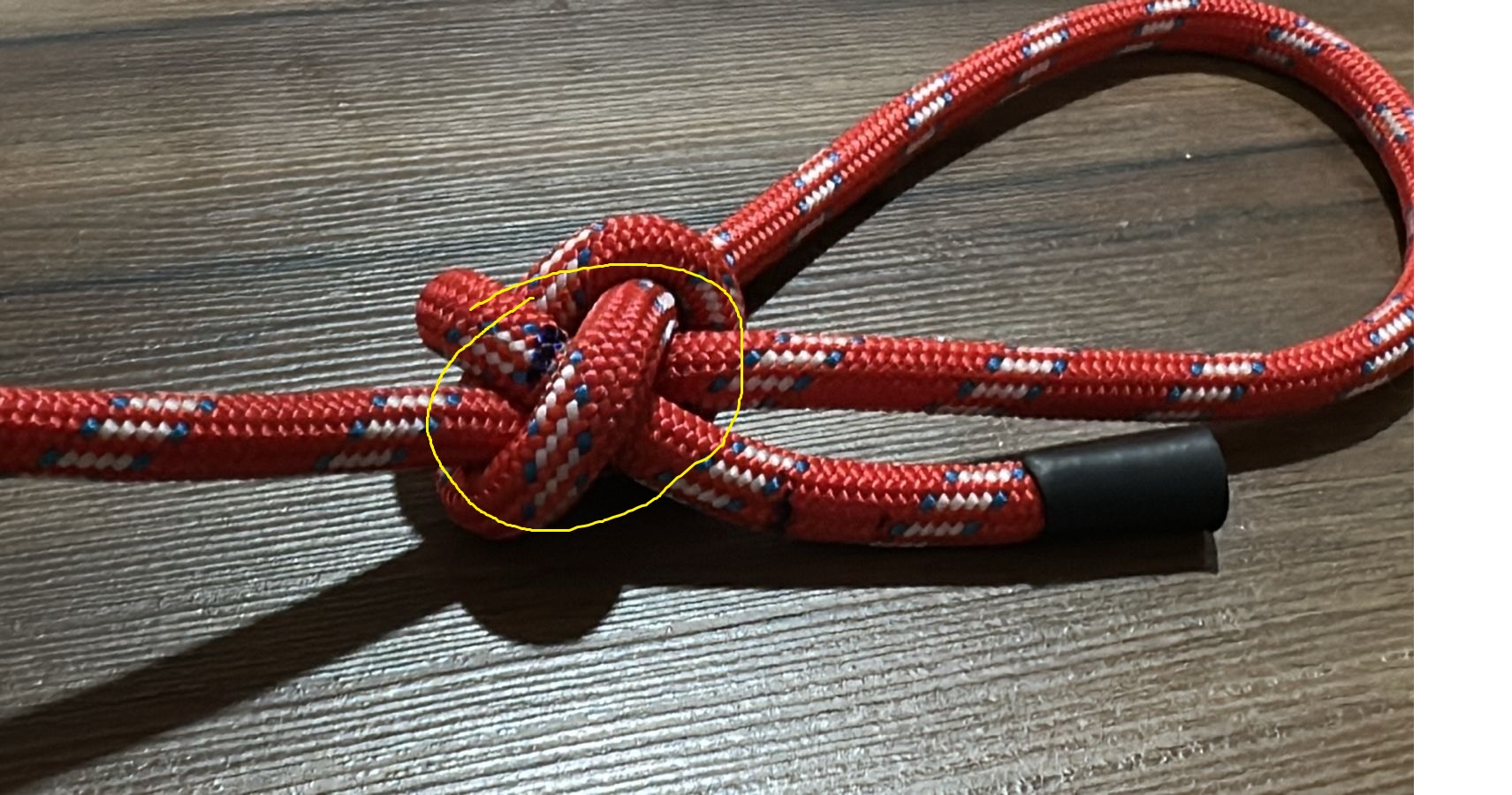
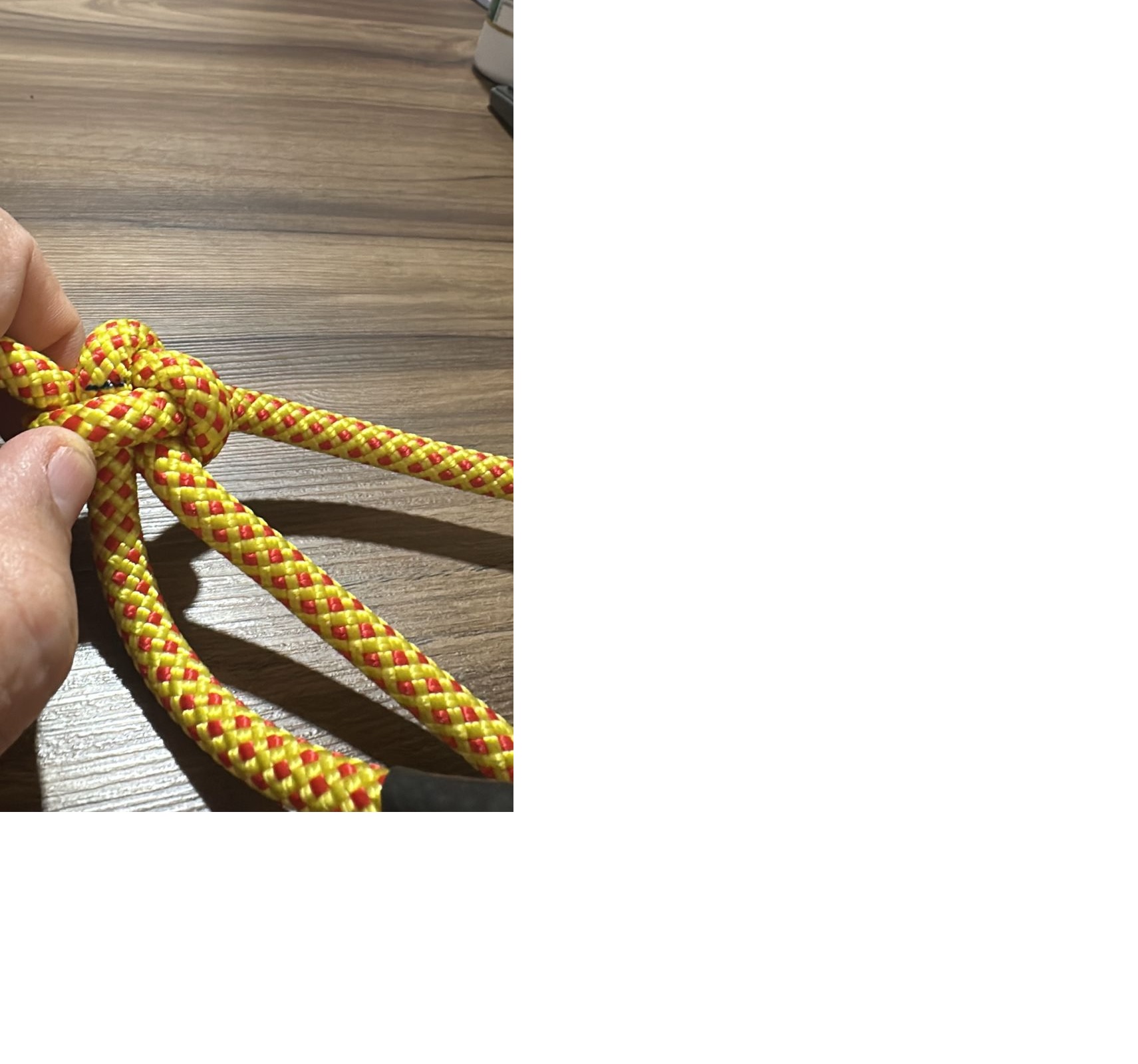
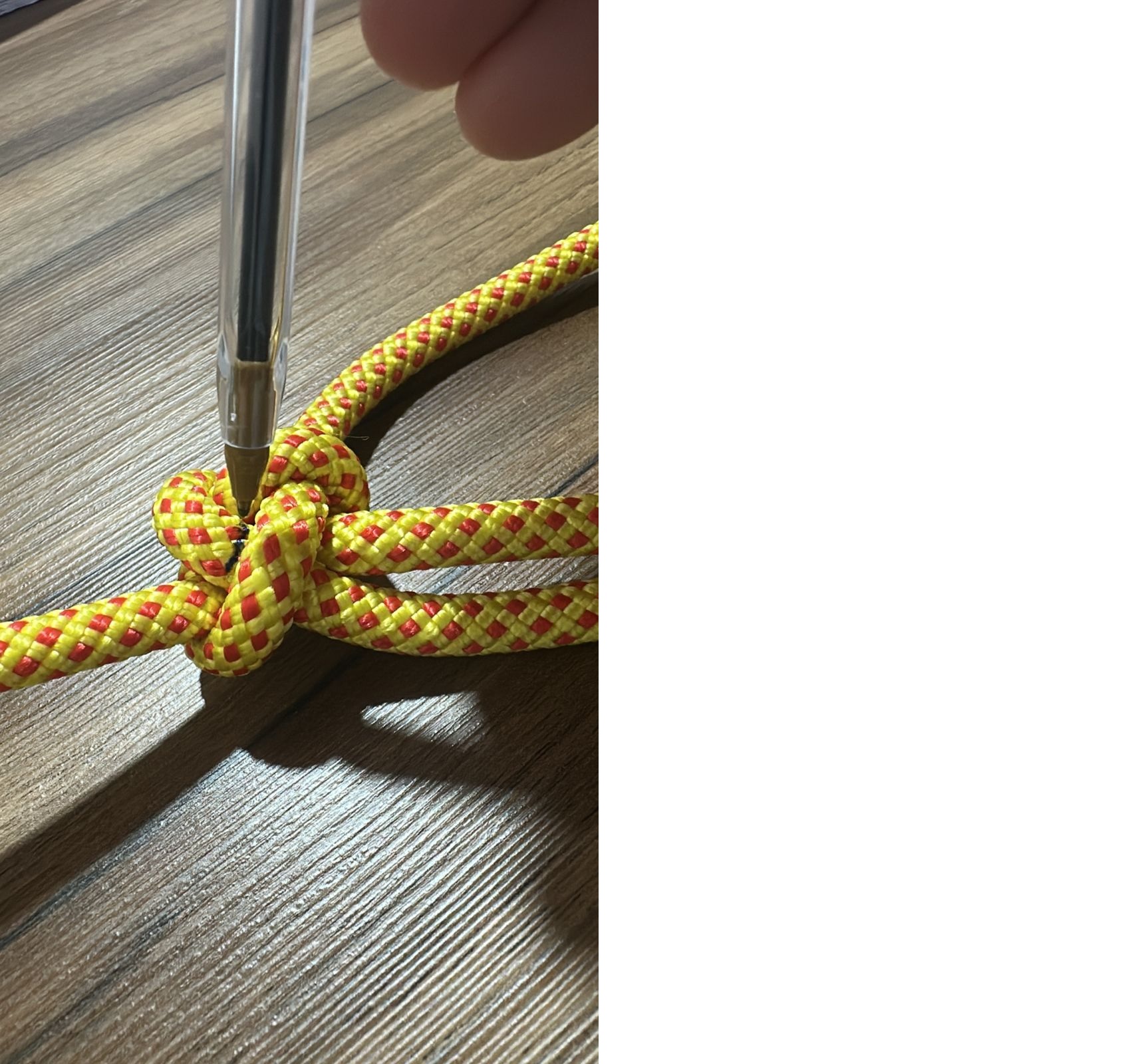
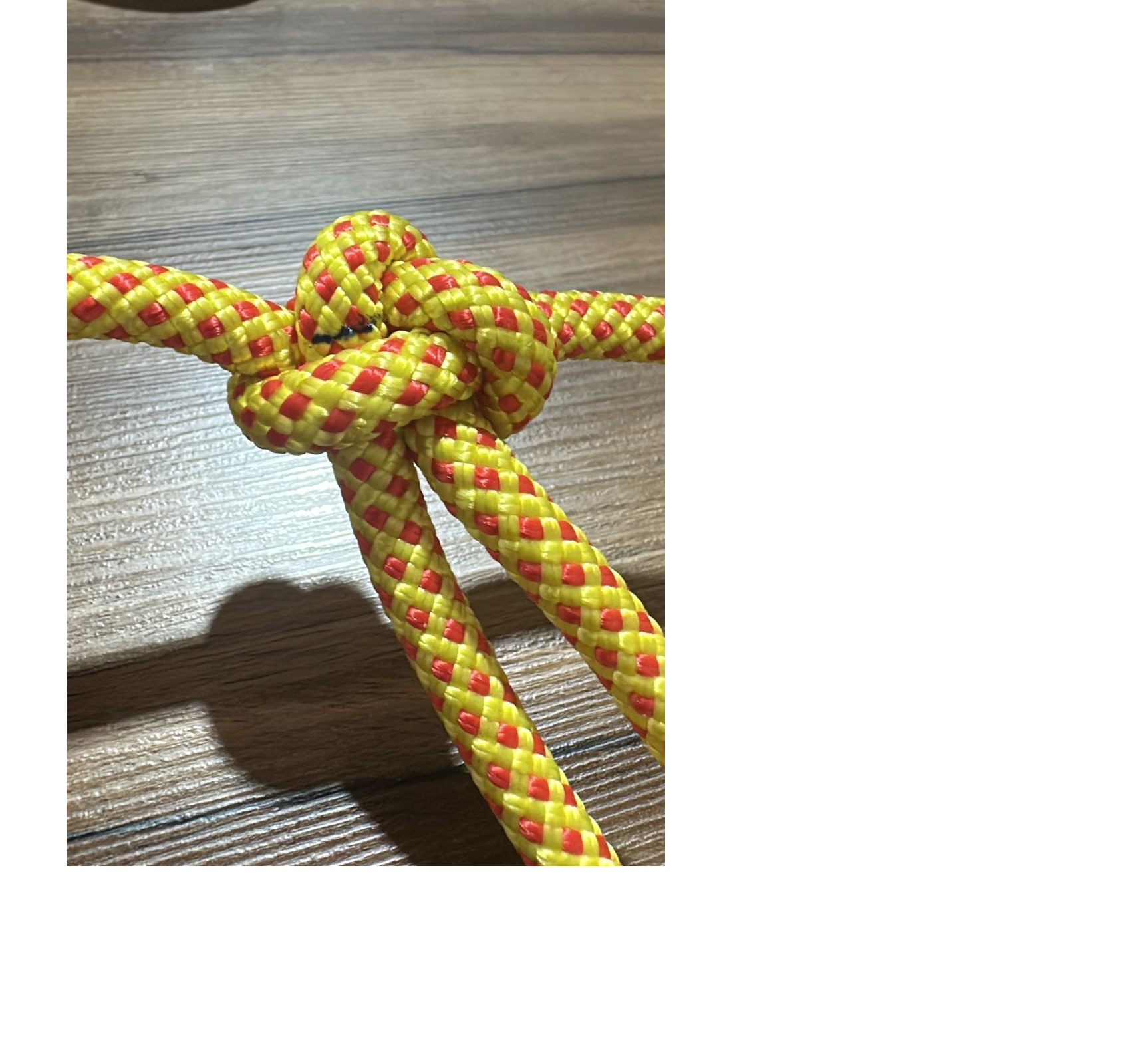
First of all, thank you very much for taking the time to reply and share your observations about the Tricorn Loop and Ashley #1029.
I am only a knot enthusiast, not a professional rigger or researcher. I enjoy teaching practical knots to people who live and work on farms and rural properties. So far I have shown this knot to only two people, but I hope that interesting and lesser-known knots will not be forgotten and can be passed on to future generations.
What attracted me to the Tricorn Loop was not only its function, but also its appearance. I think it is a very elegant and unusual knot, and that is one of the reasons I became interested in testing it.
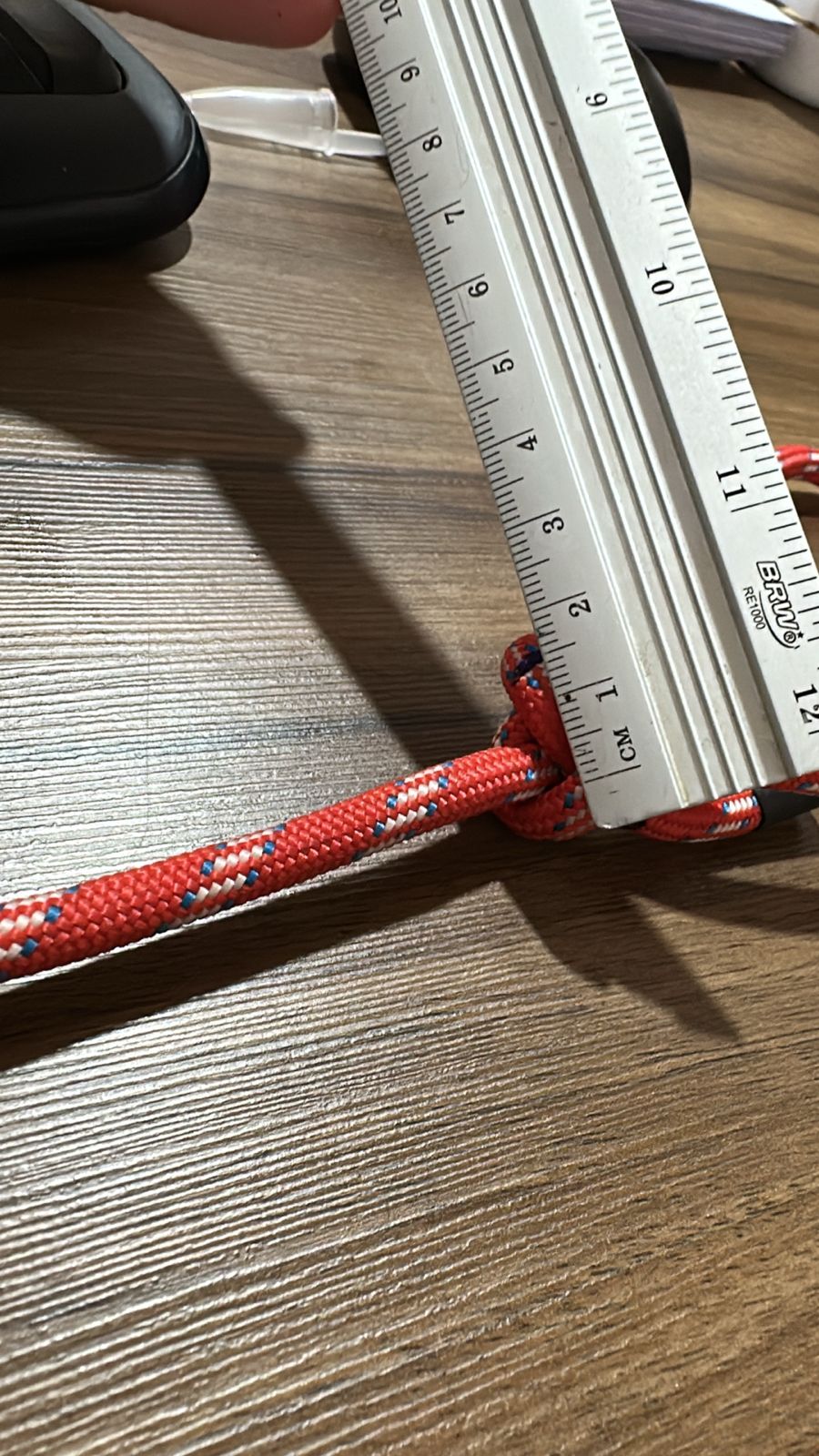
Regarding my observations, I believe a better description would be “initial settling” rather than “slippage.” When tied in a stiff and relatively smooth 6 mm cord, the Tricorn Loop seemed to settle more than some other fixed loops I tested, such as the Bowline and the Zeppelin Loop. However, after being loaded, it stabilized and performed very well.
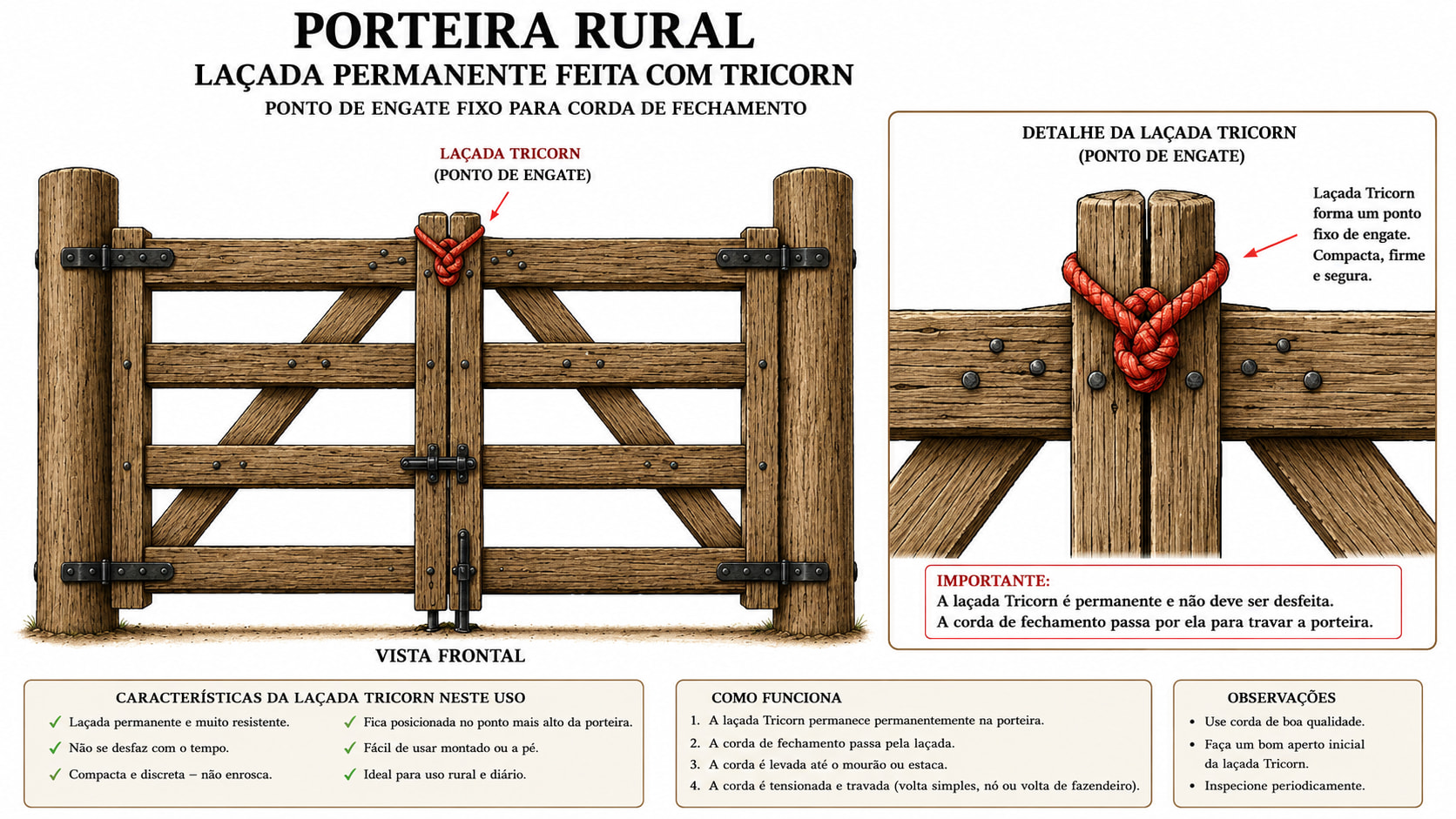
My test was not intended as a strength comparison. Here in rural areas we often use rope loops to close farm gates by passing the loop around a fence post. Because this application usually involves only light tension, I became interested in observing how the knot behaved before and after being loaded. With the stiff cord I used, it seemed that the knot required some load before fully settling into its final geometry.
There are certainly many other loops that can perform the same task, and I am not claiming that the Tricorn Loop is superior to them. My interest is simply to understand its practical behavior and, in a small way, help preserve a knot that I find historically interesting and visually appealing.
I live in Brazil, in the town of Mirassol d’Oeste, near the Bolivian border. In this region many people still use rope loops to close farm gates, making them easier to open while on horseback.
I spent part of my life in rural areas and I even owned a farm in the past. Ironically, when I lived on the farm I knew very little about knots and lashings. At that time it was difficult to learn these skills because there were few sources of information and almost no access to the knowledge that is so easily available today.
Now I live in town and have developed a strong interest in studying knots. I enjoy understanding their mechanics, engineering, and history. Whenever someone is interested, I am happy to share what I have learned and teach the knots that I know.
Perhaps that is one of the reasons I became interested in the Tricorn Loop. Besides being functional, I find it to be a beautiful and memorable knot. I would hate to see interesting knots disappear simply because people stop using and teaching them.
Once again, thank you for your comments and for mentioning Ashley #1029. I found the comparison very interesting.