I look for information regarding binding knots with more turns for a specific application you see at pictures below.
This is my first post in this forum, so I hope for your advise on using it right. I noticed this forum a week ago after I have searched the internet for information about binding knots with more turns. It seems to me that many of the members of this forum got substantial knowledge about knots, and I like that. I got some basic knowledge about knots from rock climbing and some projects involving gymnastics, acrobatics including shock cords. It do also include using thinner sewing threads with knots. But you guys know a lot more.
I have found some information already in these previous topics:
https://discourse.igkt.net/t/binding-knots-structures/3035
https://discourse.igkt.net/t/constrictor-knots-in-series/6060
https://discourse.igkt.net/t/whippings/3846
I have got a project with some test set-ups with small electrical motors, and use 3D-printed couplings to connect them. For that I use some binding knots as you see in these pictures to increase the friction against the motor shaft, because nylon and polyester threads got insignificant creep and relaxation. At these places the objects got vibration, so it is important that the knot locks well.
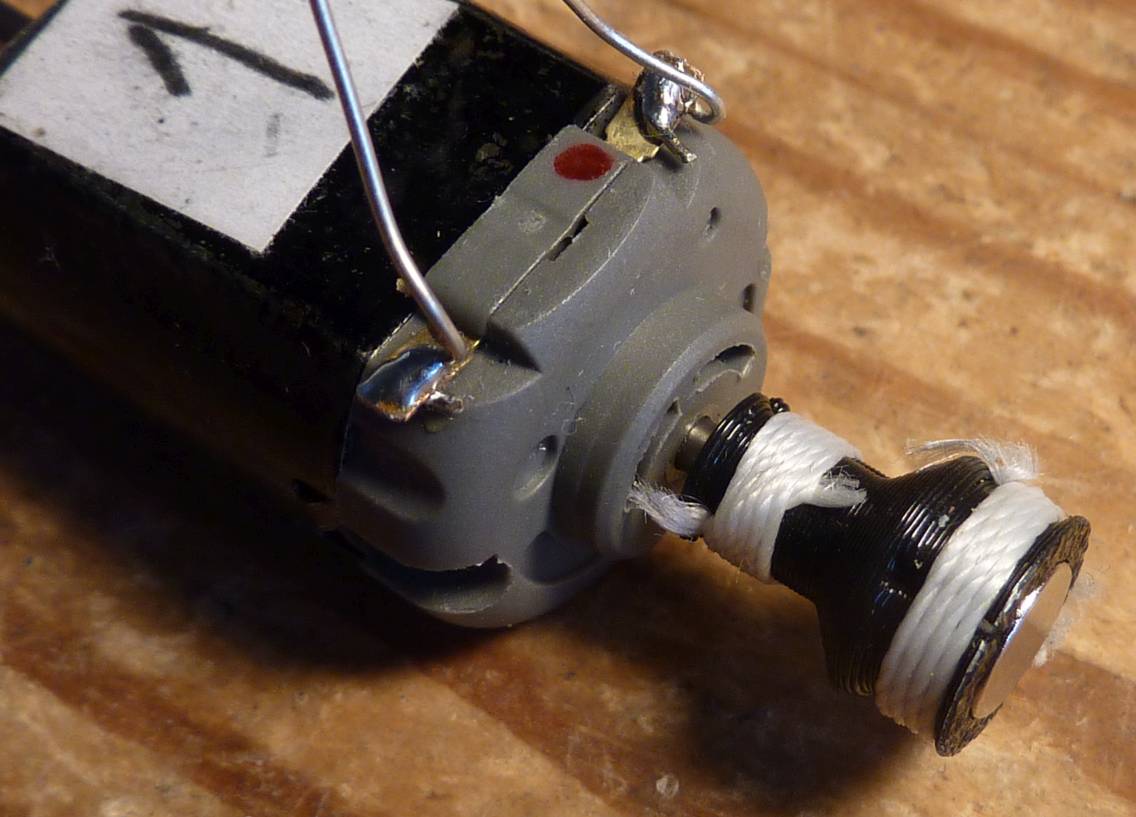
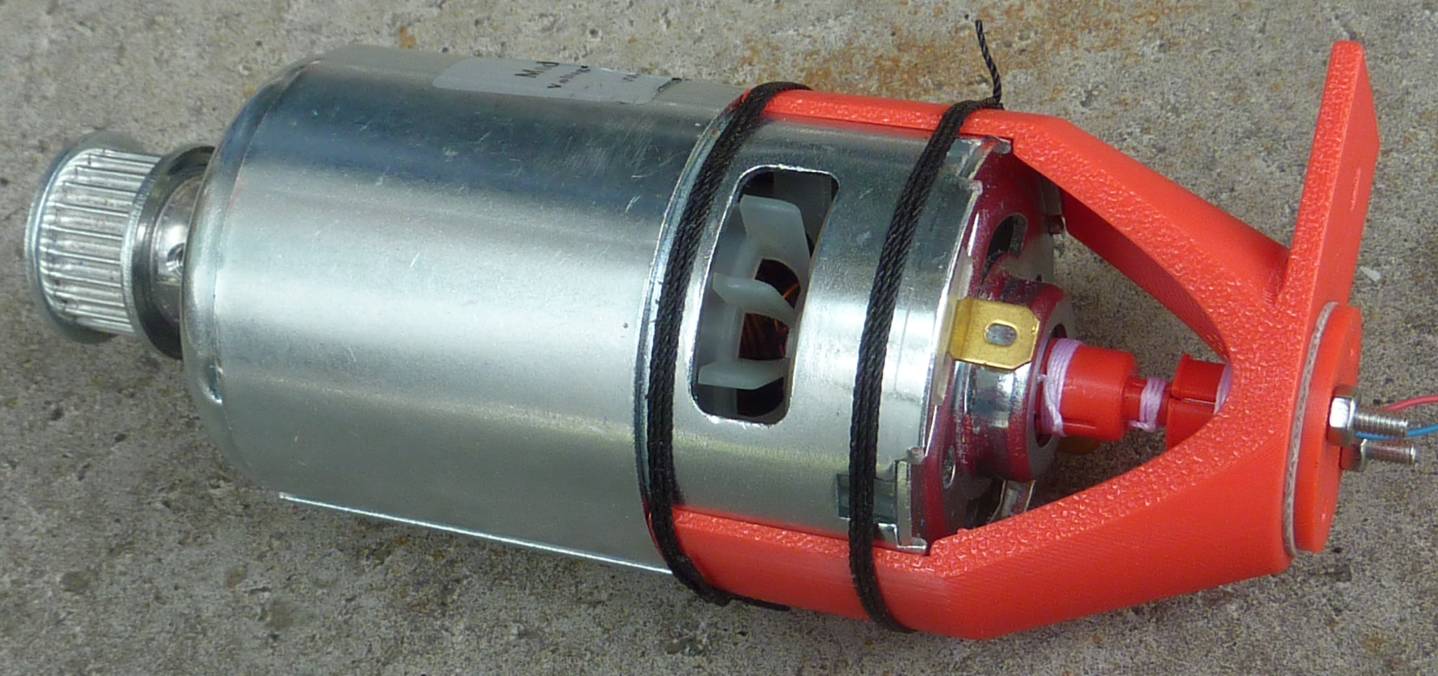
I have actually used a knot described by @Dan_Lehmann as a multi-turn Strangle Knot with one extra overhand knot on the ends below the turns. Have this knot got a name? I use is with 4 to 6 turns thread and the knot seems to lock very well. But it can take a bit of time to place the windings right, because they tend to be in disorder from start when you place the turns on the coupling. Another way is to place more constrictor knots side by side. I have looked at the Double Constrictor Knot, the Snuggle Hitch and the Boa Knot as well.
I hope to get some others perspective on how to do this.